Behind the bestseller: how covers, blurbs and influencers shape what we buy
Publishing insiders reveal how book covers, jacket copy, shop displays and social media influencers are carefully engineered to drive sales. What feels like a spontaneous purchase is often the result of deliberate persuasion.
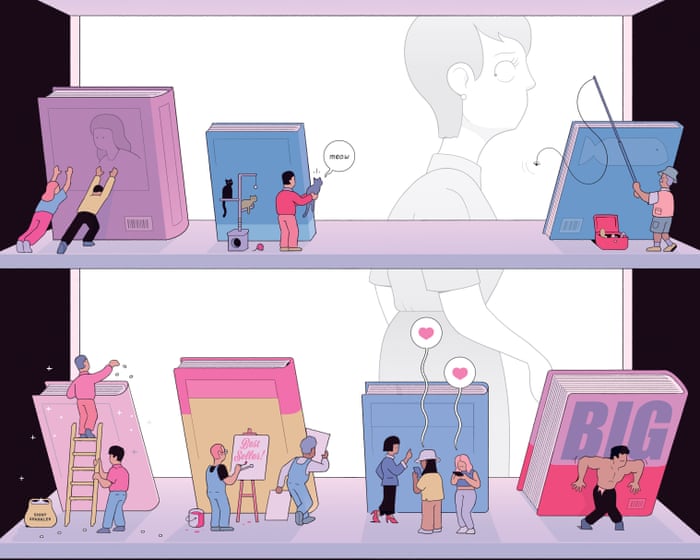
Choosing a book in a shop can feel like a personal decision, but publishers, designers, copywriters and booksellers describe a carefully constructed system of persuasion behind every purchase.
Covers built by committee
Designer Jamie Keenan explains that book covers are often focus-grouped and shown to major retail buyers, who can force changes if they dislike the design. The shift to online shopping has pushed publishers toward simple, bold covers that read clearly even as tiny thumbnails. This has also produced waves of copycat designs, such as the now-familiar look of cosy crime novels, or the near-obligatory cat on Japanese fiction covers regardless of the story's content.
Blurbs written to trend
Back-cover descriptions are crafted by professional copywriters aiming to hook readers within seconds, often borrowing classic storytelling frameworks. Copywriters admit that books are sometimes repackaged to match current trends — for instance, darker thrillers may be marketed with softer, cosier language now that cosy crime dominates sales, particularly for supermarket placement. Endorsement quotes from fellow authors, meanwhile, often result from personal networking rather than genuine critical judgement, and readers are said to be increasingly sceptical of them.
Bookshops, book clubs and online influence
Booksellers rely on window displays, personal recommendations and shelf cards to guide customers, while independent shops run subscription-style book clubs with memberships reaching into the thousands. In the past, some retail chains charged publishers for prominent chart positions or display space, though practices have shifted toward individual booksellers' discretion. Increasingly, online influencers on platforms like TikTok and YouTube can dramatically boost sales of even obscure titles, prompting publishers to court them through early events and dinners well ahead of publication.