Former minister's drunk driving arrest sparks debate on officials' accountability
After former welfare minister Reinis Uzulnieks was arrested for driving with a blood alcohol level of 3.09 per mille and dismissed from office, cybersecurity expert Elviss Strazdiņš criticized the incident, questioning how officials would handle a crisis while intoxicated.
On Wednesday, news broke that Latvia's State Police had detained then-Welfare Minister Reinis Uzulnieks for driving under the influence of alcohol. Testing found his blood alcohol concentration at 3.09 per mille, far exceeding the legal limit. A criminal case has been opened, and the Union of Greens and Farmers immediately removed Uzulnieks from his ministerial post.
The incident triggered widespread reaction both among the public and in political circles, reigniting debate over the standards of accountability expected from government officials, including in their private time.
Expert and public reaction
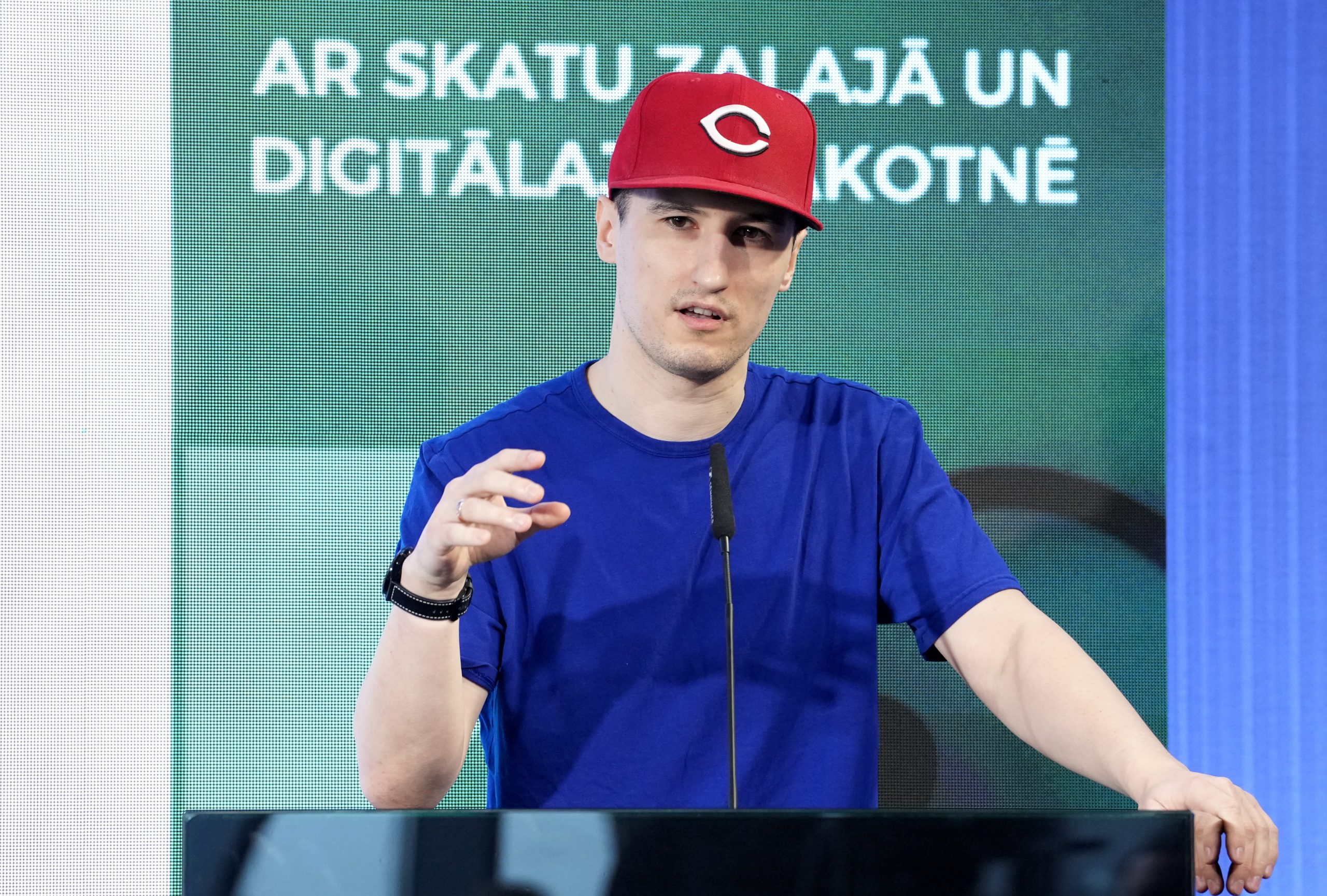
Cybersecurity expert Elviss Strazdiņš shared his views on the platform Threads, arguing that a minister should never consume alcohol in such quantities, since the role carries responsibility around the clock. He posed a hypothetical scenario: what would happen if a crisis erupted — such as a drone attack — while the defense minister was intoxicated somewhere. Other social media users also weighed in, with some framing the case as a sign of serious addiction and others demanding that officials face the same consequences as ordinary citizens under the law.
What the law says
Latvia currently has no binding code of ethics governing ministers' conduct outside official duties; a draft of such a code was only prepared as a recommendation in 2026. However, ministers remain subject to the law on preventing conflicts of interest in the activities of public officials, as well as the Cabinet Structure Law, which establishes political responsibility for one's actions and allows for criminal, administrative, or civil liability regardless of political accountability. This means ministers have no special exemption from general legal obligations, even outside working hours.


/nginx/o/2026/09/14/17916961t1h2b65.png)