Former Ukrainian Supreme Court Chief Knyazev's Verdict: Why Five Years and What It Means Next
Ukraine has finalized the verdict against former Supreme Court chief Vsevolod Knyazev, sentenced to five years for accepting a $2.7 million bribe. The plea deal secured testimony against other judges and has significant implications for the judicial system and the case of businessman Kostyantyn Zhevago.
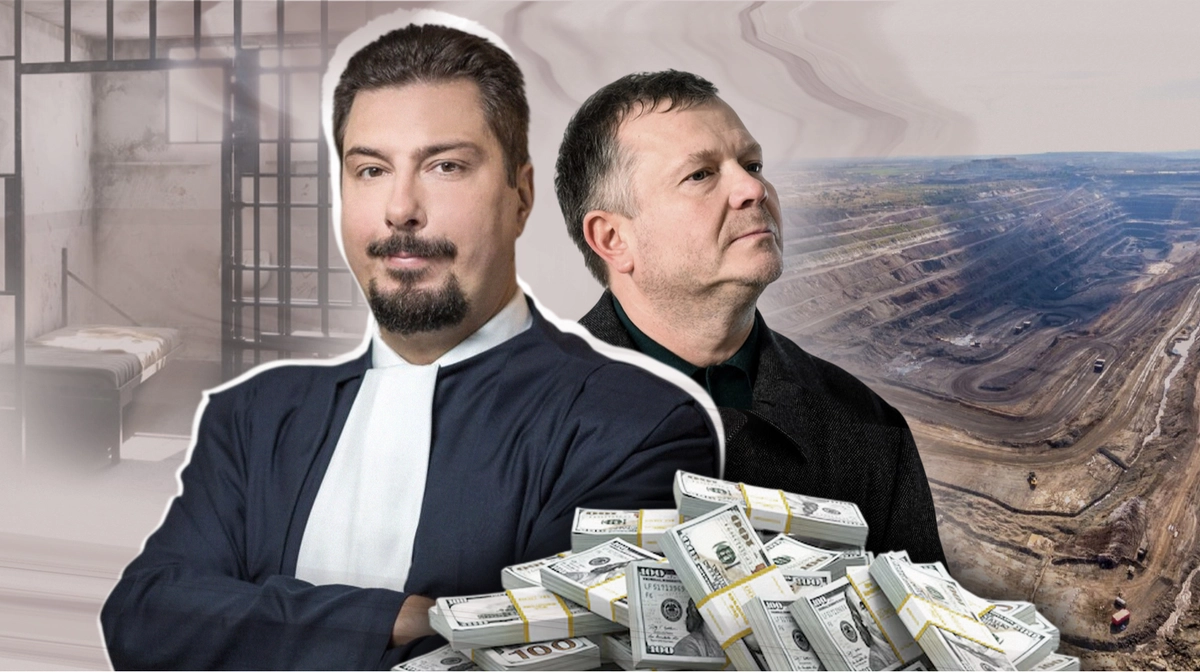
In early July, the verdict against former Supreme Court Chairman Vsevolod Knyazev came into force, after he was sentenced more than a month earlier. He received five years in prison with asset confiscation under a plea agreement with the prosecution. According to the National Anti-Corruption Bureau (NABU), the bribe was intended to secure a favorable ruling from the Grand Chamber of the Supreme Court for companies linked to businessman Kostyantyn Zhevago, concerning 40.19% of shares in the Poltava Mining and Processing Plant.
Knyazev's appointment to the Supreme Court was a result of the 2015 judicial reform, which lowered the experience requirement and allowed lawyers with over 10 years of practice to become judges. He had only eight years of judicial experience, having started in 2013 after a career as a lawyer. In May 2023, he was detained while receiving a second tranche of the bribe.
Under the plea deal, Knyazev provided testimony against four Supreme Court judges, which allowed their prosecution. Anti-corruption organizations argue that the public benefit of the agreement outweighs the relatively short sentence, as a full trial could have dragged on for years. Without the deal, the case risked being dismissed due to statute of limitations or procedural delays.
The separate case against Zhevago, who is abroad, has been sent to court. Key witnesses include lawyer Oleg Goretsky (the intermediary) and Knyazev, both of whom have cooperated with investigators. Although Zhevago's defense may argue he was unaware of the bribery, NABU's audio recordings and witness statements make his position difficult.
Russian propaganda media have used the case to portray Ukraine's judiciary as corrupt and selective. However, Ukrainian anti-corruption authorities emphasize that plea agreements are a legitimate tool to fight high-level corruption effectively.