Former CSDD chief Aksenoks: liability requires proof of causation
Following the CSDD cyberattack, former board chairman Aivars Aksenoks rejects the idea that he could automatically be held responsible, arguing that a causal link between his actions and the harm caused must first be proven.
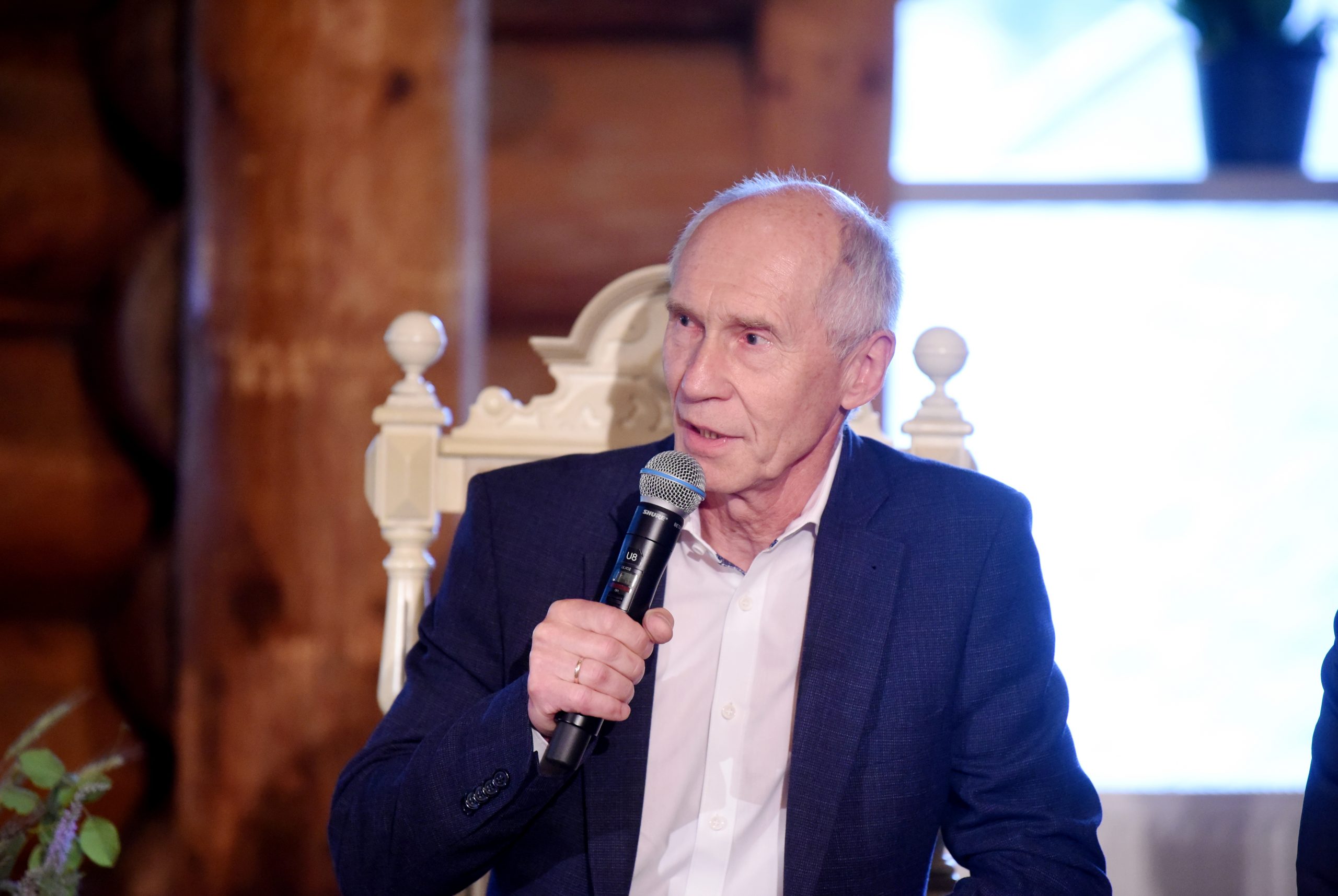
In an interview on TV24's program "Nedēļa. Post Scriptum," Aivars Aksenoks, former chairman of the board of Latvia's Road Traffic Safety Directorate (CSDD), addressed questions about whether he could end up facing charges following the agency's data breach.
Aksenoks said that from a legal standpoint, simply having held a certain position is not enough to automatically blame someone for the consequences of what happened. In his view, it would first need to be proven that a specific official directly caused harm through their actions or inaction. Speaking as a lawyer, he stressed that there must be a clear causal link between the harm done and a person's conduct, and that he currently does not see such a link.
Denies feeling blamed or guilty
Asked what, as a former official, he feels most aggrieved about regarding the incident, Aksenoks rejected the premise, saying he holds no grievance against anyone. He also disagreed with the suggestion that he blames himself first and foremost. He explained that working in CSDD's leadership always involved various risks, and that over the years the organization had managed to identify and overcome many of them. This time, he said, the attacker proved more capable than the organization's ability to prevent the breach.
About the incident
The CSDD cyberattack became known in August. An investigation into the incident found that the attacker obtained information contained in CSDD payment receipts covering the period from 2008 to 2026. In total, the incident could affect approximately 1.2 million individuals and around 200,000 legal entities.

/nginx/o/2026/09/04/17895973t1h8723.png)
