Gender Segregation Plans in Bnei Brak Spark Israeli Debate
A plan to separate male and female pedestrians on streets in the ultra-Orthodox city of Bnei Brak has been halted after criticism, while the Israeli parliament approved a law allowing gender-segregated university programs, raising concerns about gender equality.
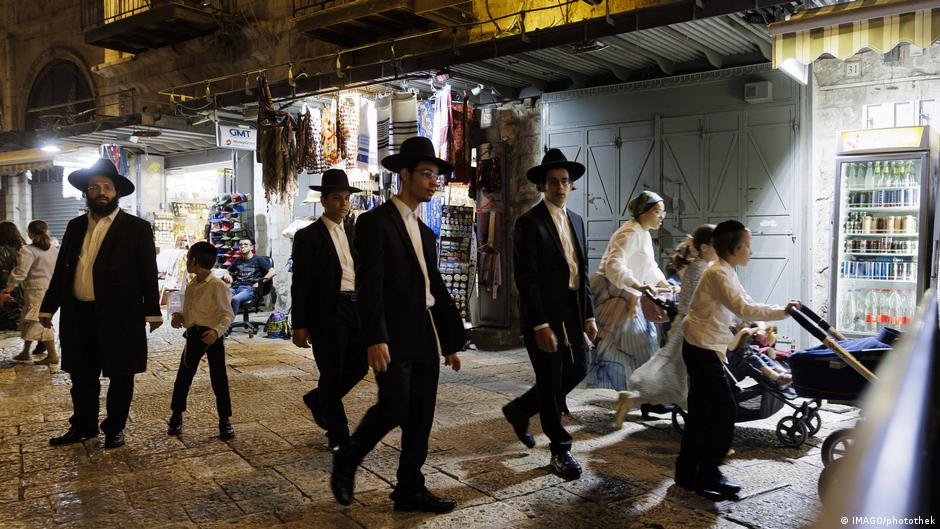
Street Segregation Plans in Bnei Brak
In Bnei Brak, an Israeli city of about 200,000 people east of Tel Aviv known as a center of ultra-Orthodox Judaism, the municipality began widening sidewalks and erecting barriers to physically separate male and female pedestrians. This would have made Bnei Brak the first city in Israel with gender-segregated streets. However, after fierce criticism, the work was halted, and signs that had already been installed were removed.
Knesset Law on Segregated University Programs
Last Thursday, the Knesset approved a law permitting universities and colleges to offer segregated master's and doctoral degree programs. Similar permission already existed for bachelor's courses, intended to integrate more Orthodox students into tertiary education and offer opportunities to conservative women. The new law extends this to higher degrees on a voluntary basis. Universities protested ahead of the vote, arguing it could undermine academic standards in fields like medicine and make it harder for women to access specialized professions.
Supreme Court Rulings and Public Response
Previous attempts at gender segregation in public spaces were struck down by Israel's Supreme Court. A 2011 ruling prohibited mandatory segregation on public buses, even in conservative neighborhoods, and forbade pressuring women to sit at the back. In 2017, the court ordered Beit Shemesh to remove "decency signs" prescribing female dress codes and restricting sidewalks near religious schools. The city was slow to comply, and extremists repeatedly replaced signs. Opponents of Bnei Brak's plan have filed an urgent appeal to the Supreme Court.
Political Context and Demographics
The vote on segregated university courses was one of the last actions of the current Knesset before it was dissolved for elections on October 27. Other controversial laws passed include limiting the prosecutor general's powers, increasing government influence over media, and declaring Torah study a "foundational value" of the constitution—seen as a move to exempt Orthodox men from military service. Demographic shifts, with Orthodox families having higher birth rates, are increasing political pressure. These debates are expected to significantly impact the upcoming elections and the nature of Israeli society.


