'Canaries in the coalmine of populism': an oral history of the Brexit campaign, told by those with a front row seat
A new oral history reveals the inside story of the Brexit campaign, from David Cameron's announcement to the controversial '£350m for the NHS' bus and the Turkey poster, as told by key figures who were there.
The beginning: February 2016
David Cameron announced the referendum date on 20-21 February 2016, fulfilling his 2013 promise. The next day, Boris Johnson, then Mayor of London, declared he would campaign to leave. Conservative MP Bernard Jenkin, a leave supporter, recalled begging Cameron not to hold a referendum because it would 'smash the Conservative party'. Cameron replied that 50 MPs leaving was acceptable, which Jenkin felt showed a fundamental misunderstanding of the party.
David Lidington, Europe minister and Cameron ally, saw the referendum as a chance to 'lance the boil' of internal party disaffection, but he likened it to throwing meat to wolves who would always come back for more. Craig Oliver, No 10 communications director, entered the campaign with a bleak view, convinced the party's heart was on the leave side.
Will Walden, Johnson's director of communications, described Johnson's indecision: he spent a weekend torn between family, aides, and the press, and only after a stressful hour of prevarication did he decide. Johnson was genuinely conflicted, being pro-European but critical of the EU.
The campaign: April to May
Labour MP Jess Phillips criticised the remain campaign as disorganised and elitist, struggling to connect with voters. She tried to focus on practical issues like roaming charges, but remain's arguments seemed remote compared to leave's visceral message of 'taking back control'.
Ivan Rogers, UK's EU ambassador, predicted early on that leave might win because it was much better organised. Tom Watson, Labour deputy leader, sensed victory for leave when MPs told him their constituencies were swinging towards Brexit, despite national polls suggesting remain.
Green MP Caroline Lucas argued that putting Cameron at the head of the remain campaign was a mistake, as voters often punish prime ministers. She tried to diversify voices but failed, and the campaign focused almost exclusively on economics while leave spoke emotionally about sovereignty.
The £350m bus and the Turkey poster
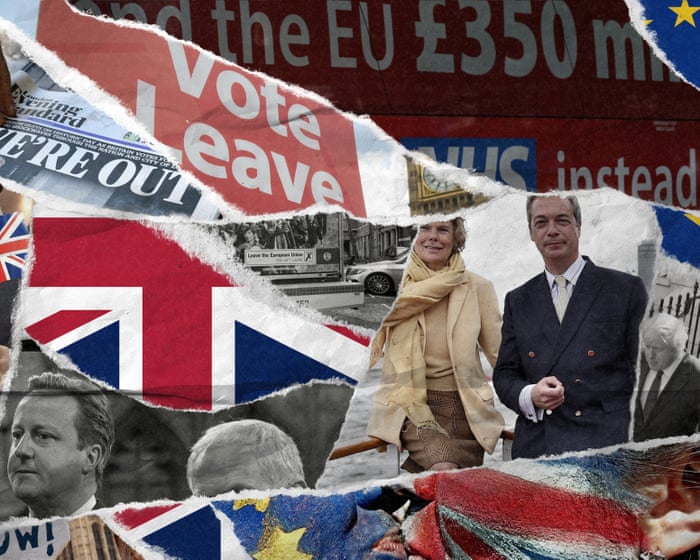
On 11 May, Vote Leave launched a battle bus emblazoned with 'We send the EU £350m a week. Let’s fund the NHS instead.' The figure was later debunked. Walden said Johnson initially questioned the slogan but accepted it because even the lower real figure seemed large to the public.
On 20 May, Vote Leave stated 'Turkey (population 76 million) is joining the EU', a claim critics called a 'complete fantasy'. EU official Jonathan Faull recalled his fury, noting that any member state can block enlargement. Johnson, who has Turkish ancestry and a pro-immigration record, was furious he wasn't consulted and nearly quit the campaign.
These episodes illustrate the campaign's reliance on misleading claims and emotional appeals, marking it as a harbinger of modern populism.
