Brussels discusses Ukraine's financial needs for 2026–2027
European Commissioner Valdis Dombrovskis and Ukrainian Prime Minister Serhiy Koretskyi discussed Ukraine's financing needs, though a specific figure has not yet been determined. Talks will continue at technical level in the coming days and weeks.
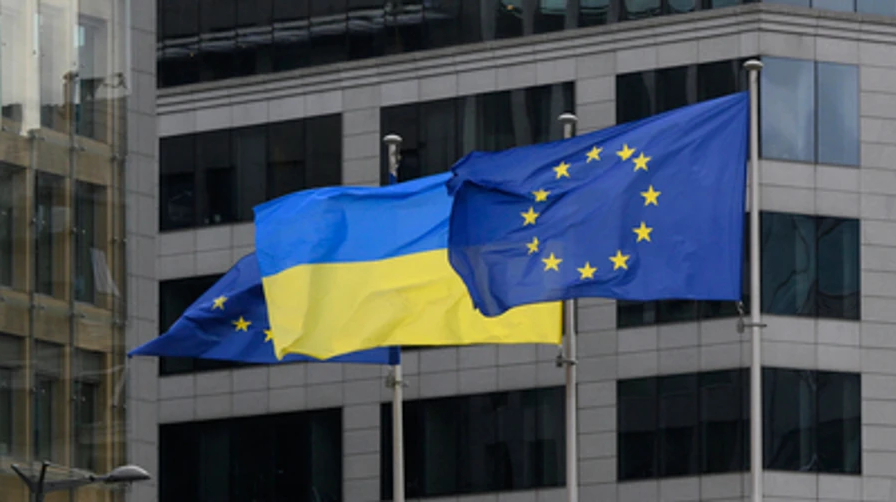
The European Commission has said it is still too early to name a specific figure for Ukraine's financial needs in 2026 and 2027. This was stated by Commission spokesman Balazs Ujvari following a video conference between Dombrovskis and Koretskyi on September 7, as cited by Yevropeiska Pravda from Brussels.
Three topics discussed
Ujvari said the two officials discussed three main issues: Ukraine's financial needs for 2026 and 2027, the implementation of reforms required to unlock funding under the 90-billion-euro lending programme, and the preparation of Ukraine's financial strategy for 2027. To access funds under the 90-billion-euro loan, Ukraine must prepare financial strategies for both 2026 and 2027 — the 2026 strategy has already been approved.
According to the spokesman, both sides agreed it is important for other international partners to step up and provide support, whether in the budgetary or defence sphere, in addition to what the EU has committed. Ujvari cited Norway as an example, which recently pledged 9 billion dollars to Ukraine for 2027.
Assessing the situation first
The Commission stressed that the exact scale of Ukraine's financial needs still has to be determined. First, a clear picture of the budgetary and financial situation is needed, after which possible solutions can be considered. The Dombrovskis-Koretskyi talks were devoted precisely to this first stage — assessing the situation and gathering information from the Ukrainian side. Further discussions will be needed in the coming days and weeks before a specific figure can be set.
On Tuesday, Dombrovskis is also due to meet International Monetary Fund Managing Director Kristalina Georgieva to discuss the results of the IMF mission that worked in Ukraine last week. The EU's macro-financial assistance programme is closely linked to the IMF programme, with the shared goal of pushing Ukraine to advance reforms that strengthen the country's economic resilience.
The EU has previously noted that the 90-billion-euro aid package will cover only two-thirds of Ukraine's needs in 2026-27. On August 24, the European Commission approved 6.1 billion euros in defence procurement for Ukraine under this loan.

/nginx/o/2026/09/07/17903561t1h14d7.jpg)