University at Buffalo Researchers Develop Injectable Gel for Osteoarthritis Treatment
Researchers at the University at Buffalo in New York State have created a gel that, after a single injection, releases medication in a joint for weeks while improving lubrication. The technology is still at an early stage of development.
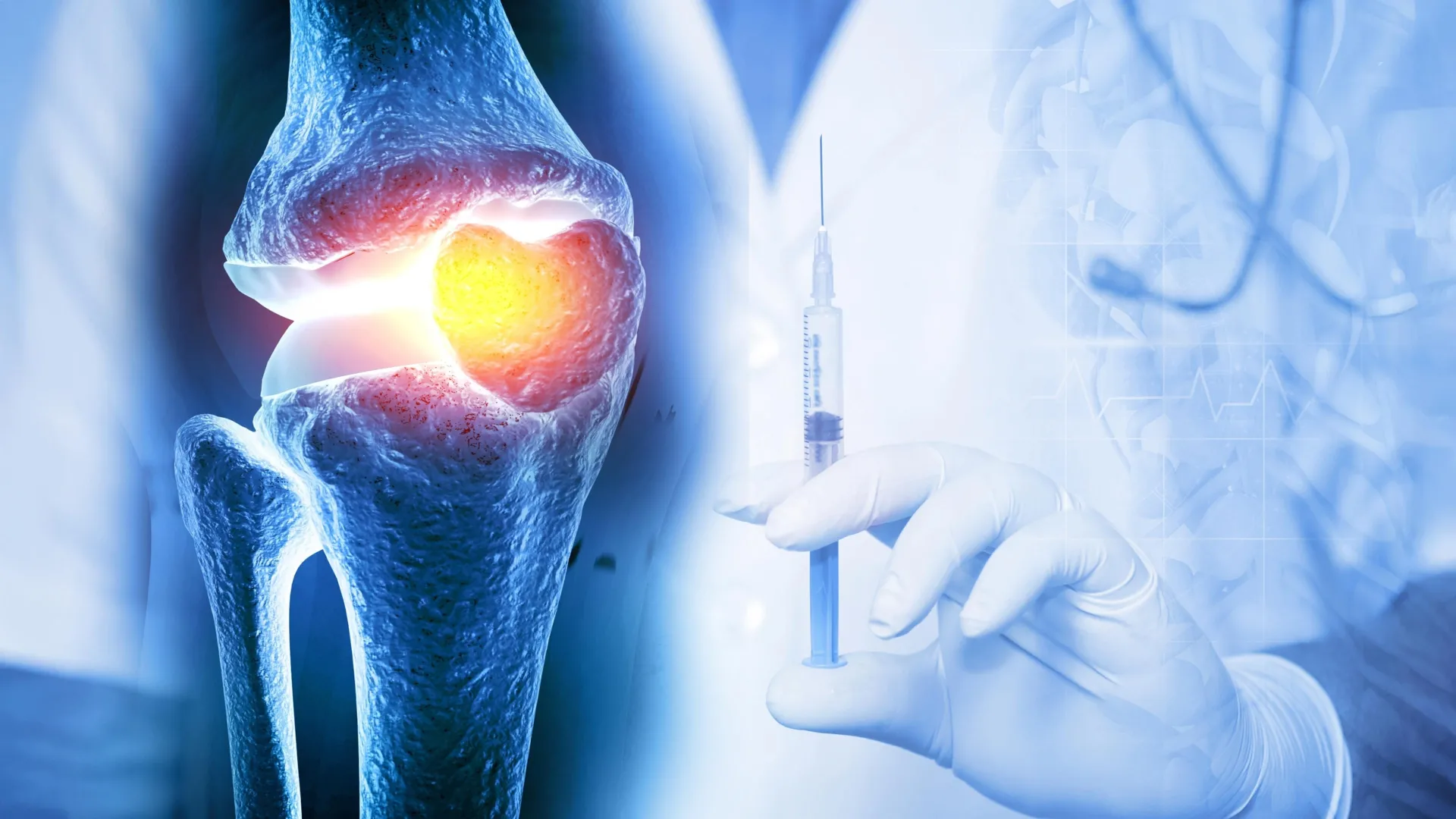
Researchers at the University at Buffalo in the United States have developed an injectable hydrogel that could keep osteoarthritis drugs inside a damaged joint for several weeks after one injection. Osteoarthritis is one of the leading causes of chronic pain and disability worldwide, and current treatments generally ease symptoms without slowing the disease. The new technology is still at an early stage, and its safety and effectiveness in patients have not been established.
Why new approaches are needed
Osteoarthritis involves the gradual breakdown of cartilage and other joint tissues, leading to pain, stiffness and reduced mobility. Treatments given directly into the joint today include pain relievers, corticosteroids and viscosupplements, which are meant to improve lubrication, but their benefits are usually short-lived. Many drugs are quickly cleared from synovial fluid, the natural lubricant inside joints, while others dissolve poorly in water, making it hard to reach effective concentrations in the joint.
How the gel works
A hydrogel is a polymer network able to hold large amounts of water. It is injected as a liquid and, on reaching body temperature, quickly turns into a slippery semisolid gel that serves as a drug reservoir. It contains tiny nanocarriers that can hold substantial amounts of drugs that would otherwise be hard to dissolve in water. The platform uses materials with a history of regulatory acceptance, which could ease later clinical development.
Medication is released gradually over several weeks, through diffusion and as the gel's internal structure slowly relaxes. This could reduce the need for repeated injections and lower the risk of side effects from drugs circulating through the body.
Two complementary effects
The gel acts as a viscosupplement that may improve joint lubrication, and it can also deliver compounds aimed at biological processes behind the disease, including chronic inflammation and cellular senescence. Senescent cells stop dividing but stay alive and can release inflammatory substances. The researchers validated the platform using a compound that activates SIRT6, a protein involved in regulating inflammation, cellular aging, DNA repair and metabolism.
Possible uses
Knee osteoarthritis is the main target. The platform could also be adapted for osteoarthritis after injury, degeneration of the discs between spinal vertebrae and rotator cuff deterioration in the shoulder. The technology is at Technology Readiness Level 3 to 4, meaning experimental proof of concept and laboratory validation. It is patent-pending and available for licensing and collaborative development.