Brain scans show autistic brain activity varies far more between individuals than expected
A new study in JNeurosci found that brain responses to movies differ much more from person to person among adults with autism spectrum disorder than among adults without it, even though group averages looked similar.
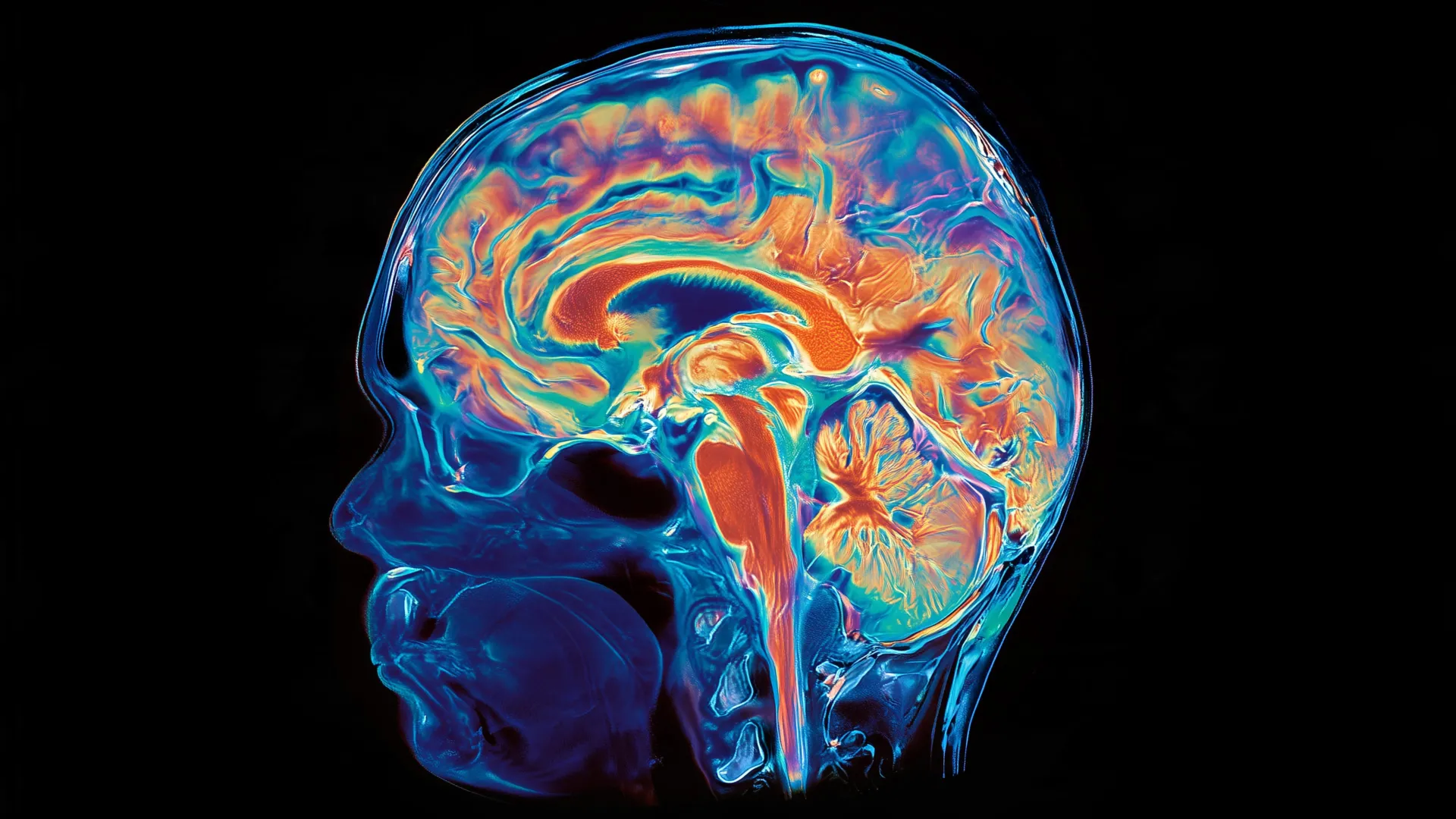
Brain activity in people with autism may vary from one individual to another more than conventional research methods have shown. This is the conclusion of a new study published in the journal JNeurosci, led by Dorit Kliemann and James Traer of the University of Iowa in the United States. The finding matters because many approaches to understanding and treating autism spectrum disorder (ASD) rely on comparing group averages.
How the study worked
The researchers used brain imaging data previously collected at Indiana University and Caltech (the California Institute of Technology). Adults with and without ASD had watched movies from several genres: animation, action, romantic comedy and Hitchcock-style thrillers. Using these recordings, the team trained a computational model to link brain activity with elements of the films, including sounds, visual information and more complex social cues. Once trained, the model successfully predicted activity across multiple brain systems.
Results
When average responses of the two groups were compared, the model predicted activity about equally well for adults with and without ASD. A different picture appeared when the team looked at individuals within each group. Brain activity among adults with ASD varied considerably more from person to person, and individuals departed further from their group's average. This greater variability showed up in nearly every brain system examined, and was especially marked in the network of regions that process social information.
Implications
The researchers say methods based on group averages may overlook meaningful differences between individuals. Traer said the results suggest scientists need to focus on the details of individual brain responses. Kliemann said identifying ASD subgroups could help build a more precise understanding of the condition and support the development of individually tailored help. The team plans to examine further how, where and when differences in brain activity correspond to individual variations in behaviors associated with ASD.