Booker shortlisted authors explain how their novels began
The Guardian has published accounts from authors on the Booker Prize shortlist. Douglas Stuart, Elizabeth Strout, Marlon James, Rebecca Perry and Luke Kennard describe where their book ideas came from.
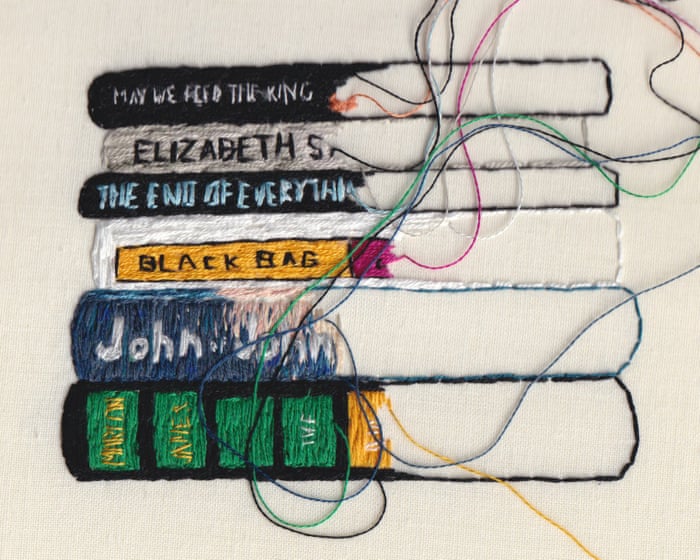
British newspaper The Guardian has published short pieces in which authors of novels on the Booker Prize shortlist, one of the leading literary awards for fiction written in English, recall how their books came about. Each writer describes the moment or experience that became the foundation of the novel.
Douglas Stuart: a forgotten father
Scottish author Douglas Stuart began shaping John of John in 2019, while waiting for his debut Shuggie Bain to be published. He travelled to Scotland's Western Isles to see Harris tweed weavers and to write about gentleness and creativity in working-class lives. On the Isle of Harris, a conversation with a local woman made him realise the novel would be less about a son returning home and more about the father: a weaver who never found love, or a sense of himself, in the only place he belonged.
Elizabeth Strout: the things unsaid
American writer Elizabeth Strout links The Things We Never Say to an exchange in a drugstore in Maine, where a worker whispered that she just wanted the election over. The book is a tribute to people distressed by the state of the United States who do not speak about it. She made protagonist Artie Dam a high school history teacher so that he would have a deeper understanding of events.
Marlon James: a rumour from Kingston
Jamaican novelist Marlon James builds The Disappearers around a rumour of a mob attack on gay men in Kingston in the early 1990s. He notes there is no written record of it, and says he makes novels out of stories that haunt him.
Rebecca Perry and Luke Kennard
Rebecca Perry began May We Feed the King as two separate short stories that merged into one book, and says the war in Gaza shaped the medieval strand. Luke Kennard conceived Black Bag in March 2021, after finding a description of a 1967 University of Oregon experiment in a social psychology article. M John Harrison is also featured, with The End of Everything.