Burnham seeks cross-party consensus over urgent reforms to social care
UK Prime Minister Andy Burnham calls for cross-party talks to address the social care crisis, promising 'problem-solving, not point-scoring'.
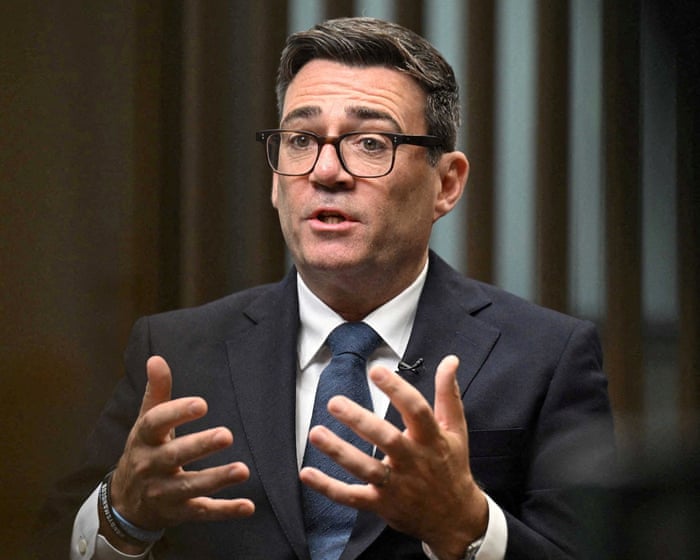
UK Prime Minister Andy Burnham has pledged a focus on "problem-solving, not point-scoring" ahead of a speech on social care, as he seeks cross-party consensus for urgent reforms. He has invited Conservative leader Kemi Badenoch and Liberal Democrat leader Ed Davey to discuss the issue, and both parties are expected to attend.
However, optimism for a breakthrough is tempered by the Tories' red lines and negative headlines over inheritance tax. Several Labour MPs have expressed concerns about the financial burden of a reformed care system.
In his Wednesday speech, Burnham will stop short of unveiling a full new system but will accelerate an independent review led by Louise Casey. Casey launches the "Big Conversation on Care" online platform to gather public input, warning that money alone is not the solution.
Burnham is understood to favor a system free at the point of use, akin to the NHS. Other options, such as a cap on care costs, are less attractive but cheaper. A middle-ground model similar to Scotland's—where the state covers personal care but individuals pay for accommodation and food in care homes—is also under consideration.
Any reform will likely require significant long-term investment, probably through tax increases. Burnham previously suggested replacing inheritance tax with a 10% levy on all estates, which could raise £18bn. He has not ruled out this option.
Last month, an average of 13,600 people per day were stuck in hospital beds despite being medically fit for discharge, partly due to a lack of adult social care, highlighting NHS pressures.
The Conservatives confirmed Badenoch will miss the meeting due to planned minor surgery, sending shadow health secretary Stuart Andrew instead. A Tory source criticized the short notice. Reform UK leader Nigel Farage, not invited, accused Burnham of conspiring with the political establishment. Davey noted 22 failed reform attempts since 1997 and called for a different approach.
/nginx/o/2026/08/04/17827659t1h2bcd.jpg)