Vitamin C won't prevent most colds, but it may still offer one benefit
Research shows vitamin C does not prevent colds and only modestly reduces symptom severity when taken regularly before illness. The popular belief in its power largely traces back to a 1970 book by Nobel laureate Linus Pauling, whose claims were later found exaggerated.
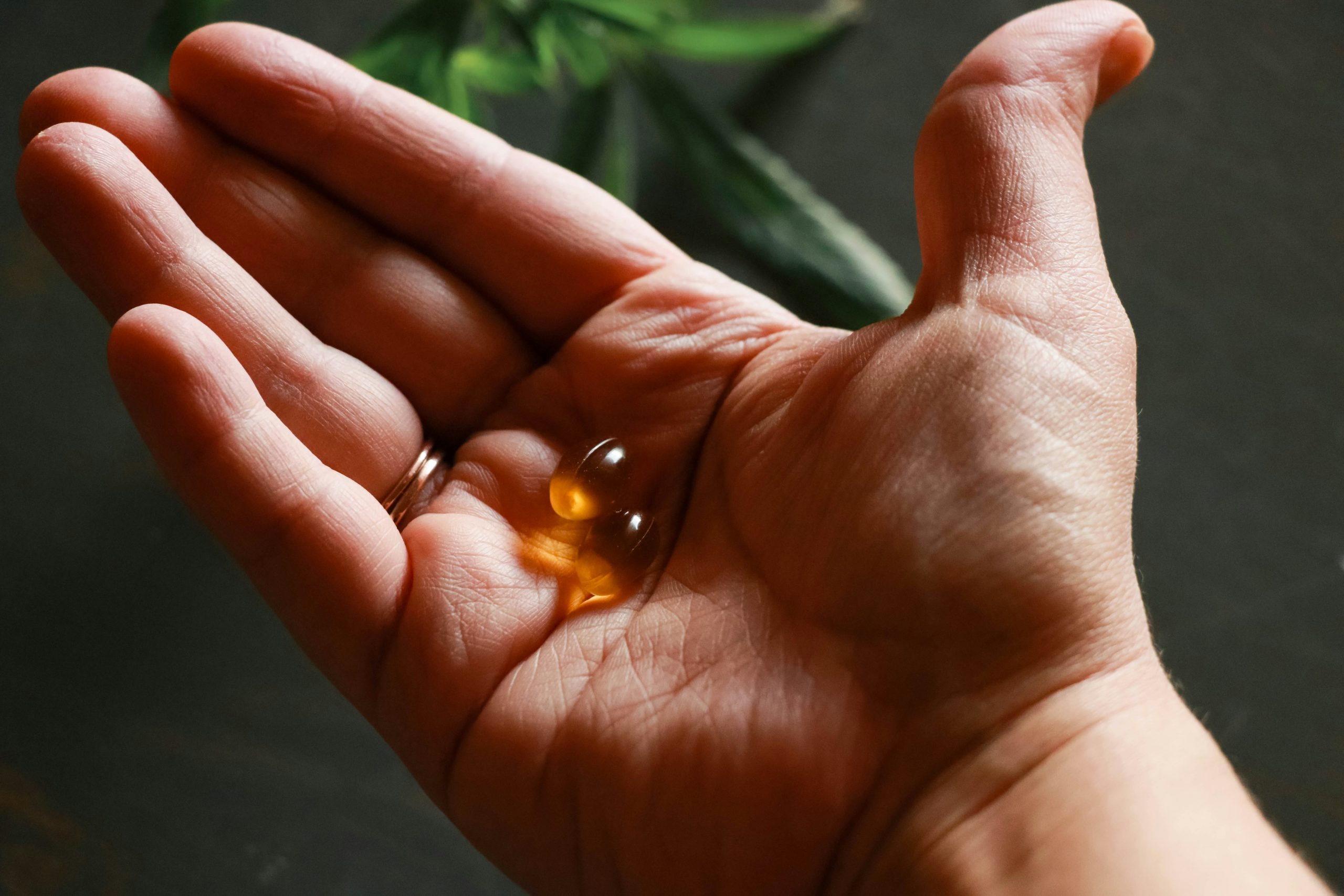
As autumn approaches, shops and pharmacies ramp up marketing of vitamin C as a cold and flu remedy. Scientific evidence, however, suggests this reputation is largely overstated.
Where the belief came from
The idea that vitamin C works wonders against colds is closely tied to American chemist Linus Pauling, who won the Nobel Prize in Chemistry in 1954 and the Nobel Peace Prize in 1962. Despite having no background in nutrition or infectious disease, he published a book in 1970 recommending daily doses of 1,000–2,000 mg of vitamin C, and even more to prevent colds. That book is widely credited with sparking a surge in vitamin C sales that continues today. Pauling's conclusions relied on a small number of studies, including one involving children at a Swiss ski camp, and were later criticized for flawed statistical analysis.
What newer research shows
A 2023 meta-analysis combining ten placebo-controlled trials involving nearly 2,700 healthy participants found that regularly taking at least 1,000 mg of vitamin C daily reduced severe cold symptoms by about 15%, though it had no effect on the duration of mild symptoms. A 2013 meta-analysis found that lower daily doses, around 200 mg, did not reduce the number of colds in the general population, though athletes and military personnel saw somewhat greater benefit. In both cases, the key condition is that vitamin C must be taken regularly before falling ill — starting it after symptoms appear provides no benefit. The average reduction in symptom duration amounts to hours, not days.
Risks of high doses
In Australia, the recommended daily intake for adults is just 45 mg — roughly the amount found in half an orange or a few cooked broccoli florets. Long-term use of doses above 1,000 mg daily can cause digestive issues, increase the risk of kidney stones, boost iron absorption in ways that are dangerous for people with undiagnosed hemochromatosis, and interact with certain medications, including chemotherapy and cholesterol-lowering statins.