Czech government's plan to scrap license fee raises concerns over public media independence
The Czech government has proposed abolishing the TV and radio license fee in favor of state budget funding, which critics say threatens the independence of public service media and could lead to political control.
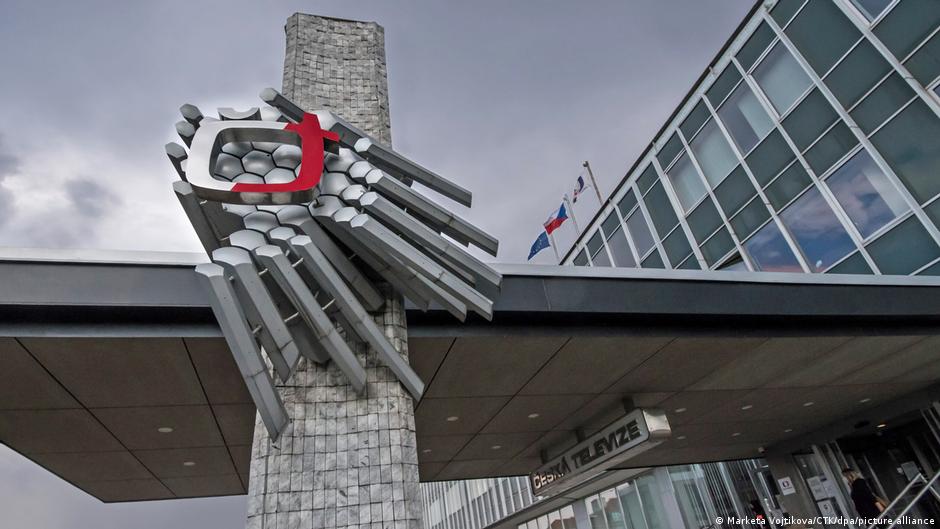
The Czech government, consisting of populist and far-right parties, has approved a bill that would scrap the current license fee (about €8.50 per month) from next year and fund Czech Television (CT) and Czech Radio (CRo) directly from the state budget. Prime Minister Andrej Babis insists the new model is fairer, eliminating a "flat tax" that charges poorer households the same as others. He also says it will push public broadcasters to improve efficiency, claiming they make no cost savings and are unchecked.
Under the plan, each outlet's annual budget would return to pre-increase levels. CT's 2027 budget would be cut by about €41 million to €237 million, and CRo's by €16 million to €85 million. Directors of both outlets warn that the "shocking" cuts would force mass layoffs and limit programming in regions and for special interests.
Experts note that many EU countries have moved away from the license fee model but introduced safeguards against political interference. The Czech bill contains no such protections. Researchers at Charles University in Prague warn that direct state funding works only in countries with high political consensus and stable political culture, conditions they say are not currently met in Czechia.
Media watchdogs, analysts, and opposition agree the move threatens independence, especially given recent state capture of public media in Hungary, Poland, and Slovakia. Opposition leader Vit Rakusan called the proposal "de facto nationalization" of public media and warned it would be "devastating for the quality of democracy."
The government denies any intention to interfere, but Babis has a history of trying to gain control of CT's governing council during his 2017-21 term. His ANO party and far-right coalition partner SPD have long accused the broadcaster of biased coverage and spreading "Brussels propaganda."
About 60% of Czechs trust CT and CRo, and the plan has sparked significant protests. The civil society movement Million Moments for Democracy has held multiple rallies, the largest gathering around 200,000 people in Prague in March. Another protest is scheduled for Sunday, followed by a strike by CT and CRo staff on Monday. A petition against the law has already gathered over 500,000 signatures.