Cehs.lv: Latvian Midsummer celebration – a psychological defense mechanism
In an opinion piece published on Delfi, Cehs.lv claims that Latvian Midsummer (Jāņi) traditions have little to do with folk songs or pagan rituals; instead, they are a repeated reliving of collective trauma rooted in childhood experiences of being forced to stay at summer cottages or country houses.
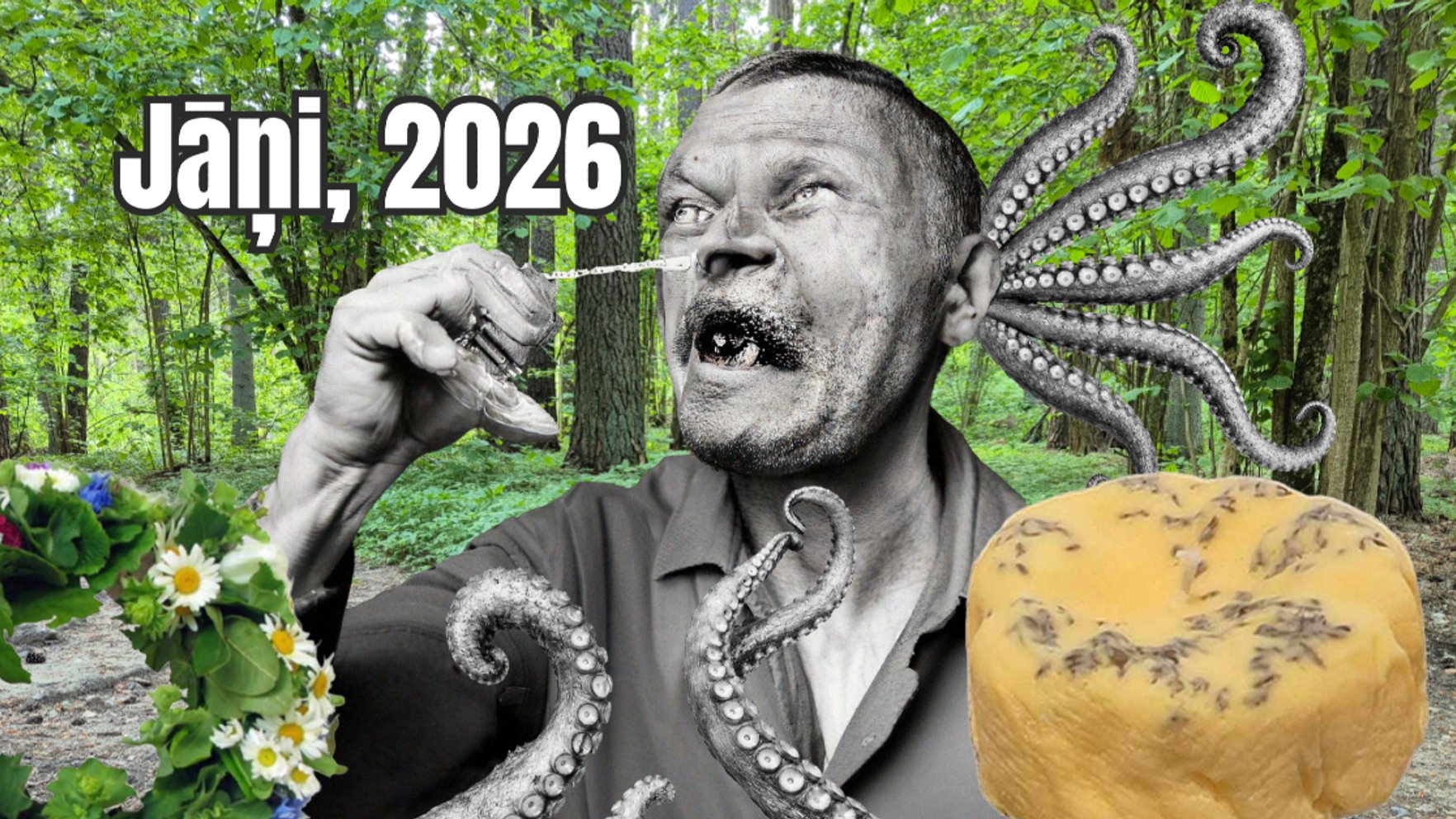
A provocative opinion piece on the Latvian news portal Delfi, authored by Cehs.lv, argues that the true nature of Latvian Midsummer (Jāņi) celebrations is not what it seems. The author contends that the traditions have almost nothing in common with folk songs, dances, or ancient pagan rituals. Instead, the article describes the entire ethnographic performance as a psychological defense mechanism that allows the collective to regularly re-experience a trauma.
The core idea is that every Latvian has experienced summer cottages or country houses during childhood, involuntarily and in a state of helplessness. Children were never asked if they wanted to spend summer in a dilapidated house six kilometers from the nearest settlement; they were simply presented with the fact and subjected to various humiliations. According to the author, this shared experience is the foundation of the emotional intensity of Jāņi festivities.
The piece also references poet Genādijs Špalikovs, who wrote that traveling to the past is a pointless torment of the soul. However, the author argues that returning to the roots is necessary to understand the origins and modern consequences of the collective Latvian's Jāņi celebration expressions.

/nginx/o/2026/10/12/17968775t1h2bbe.png)
