How Much Power Can a 1 kW Wind Turbine Produce for a Home?
Engadget explains that a 1 kW home wind turbine could produce around 2,400 kWh a year in good conditions, which is under a quarter of the average US household's consumption.
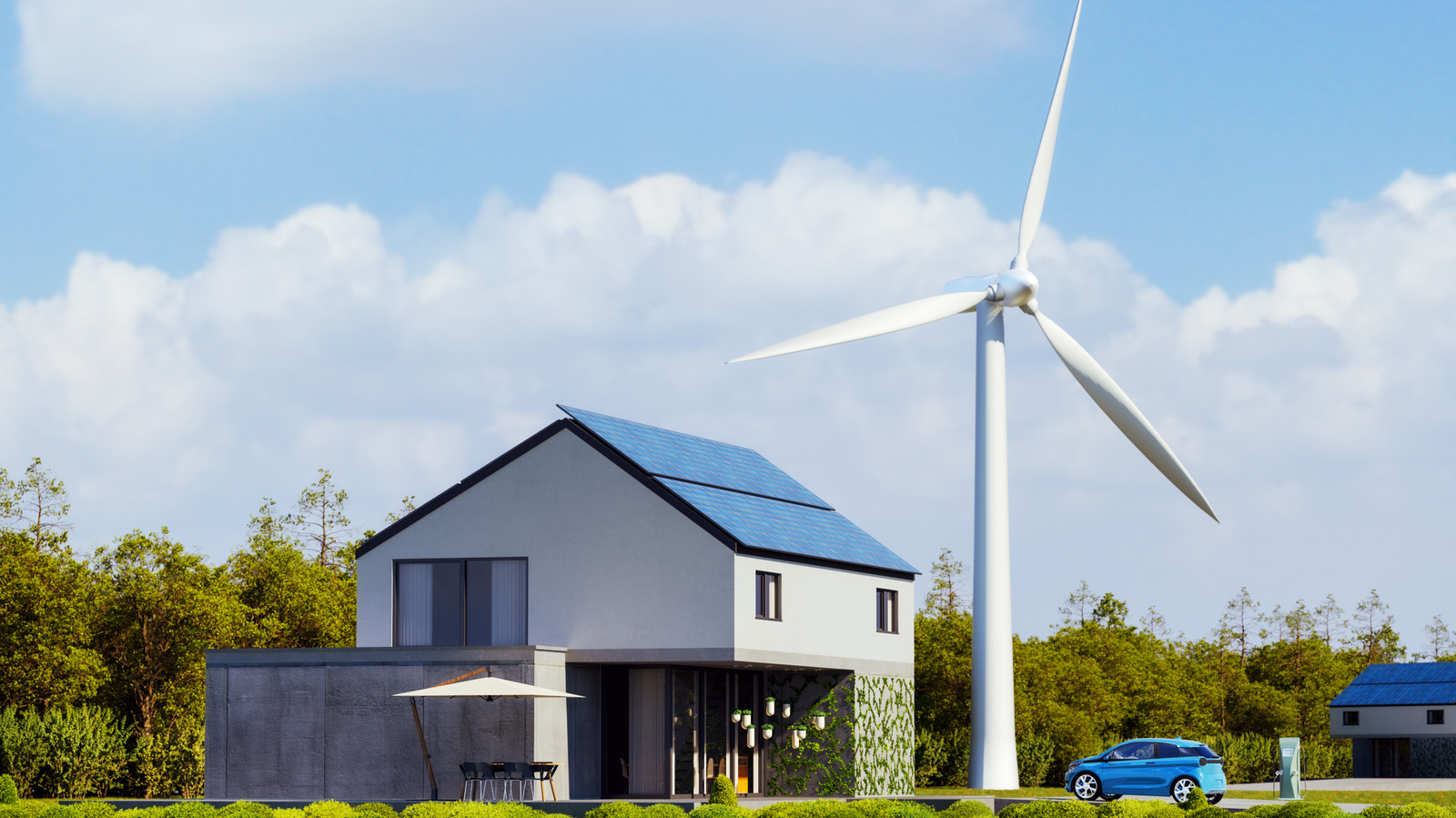
Home wind turbines do work, but with significant caveats. Technology outlet Engadget has examined how much electricity a 1 kW turbine can supply to a household and concludes that the result depends mainly on wind conditions and where the turbine is placed. With solar power reaching record levels, small residential wind systems often get overlooked.
Rated power is not actual output
The 1 kW figure is a peak rating, not what the turbine will necessarily deliver. A more useful number is monthly or annual production in kilowatt-hours. In a carefully chosen spot, such a turbine could produce about 200 kWh per month, or 2,400 kWh per year. That is less than a quarter of the average US household's annual consumption. It is worth considering where annual average wind speeds reach at least 14 mph (about 22 km/h).
Placement is decisive
A turbine needs consistent wind throughout the year. Trees, neighboring houses, hills or large sheds block wind and create turbulence, which cuts output and speeds up wear. The US Department of Energy's small wind guidance recommends that the bottom of the rotor sit at least 30 feet (about 9 m) above any obstacle within 300 horizontal feet (about 90 m) of the tower. Local zoning rules often cap structures at around 35 feet, while turbines frequently need more height. A rooftop installation can transmit vibration and noise into the building.
A whole house needs more capacity
The average US household uses about 10,500 kWh a year, or roughly 850 kWh a month. A residential turbine of 5 to 15 kW is needed to make a real dent in that. Installing one costs the average consumer $20,000 to $50,000, while solar panels with comparable output cost roughly $2,500 to $3,500 before incentives. A grid-connected system typically needs an inverter, and an off-grid setup requires batteries and a charge controller.
For most suburban residents, better insulation and solar panels will deliver more dependable results. Wind makes the most sense in open rural areas with verified average wind speeds and space for a tower.