Africa at COP31: Will climate finance finally start flowing?
At the UN climate conference COP31, African countries are pressing for more predictable and accessible climate finance. The continent received about $52 billion in 2022, against estimated annual needs of $190 billion.
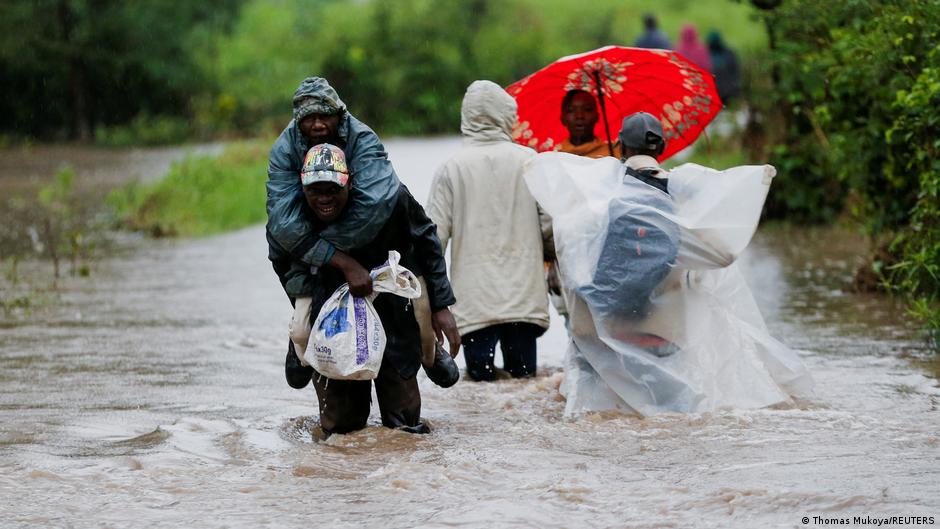
African countries are using the UN climate talks at COP31 to demand larger and more accessible climate funding, as the continent already faces heatwaves, erratic rainfall and mounting pressure on livelihoods. COP, the Conference of the Parties to the UN Framework Convention on Climate Change, brings governments together to negotiate action on global warming. The talks build on the 2015 Paris Agreement, which aims to keep temperature rise well below 2 degrees Celsius while pursuing a limit of 1.5 degrees.
Climate change in daily life
Tsitsi Moyo, a resident of Harare, Zimbabwe, believes the intense heatwave is also linked to changing rainfall patterns. Jane Okello in Uganda has seen increasingly erratic weather, including unusually heavy rain that she links to El Nino. Communities that rely on predictable seasons for farming, water and income find it harder to plan ahead.
Professor Alfred Ngomanda, permanent secretary of the Gabon Climate Council, says environmental stress can push people to leave their homes. Climate is rarely the only reason for migration, but droughts, floods and falling farm output intensify existing economic and social problems.
The funding gap
Opening the conference, UN Secretary-General Antonio Guterres said developing countries face a double injustice: they bear the brunt of climate change yet struggle to access the finance they need. According to the UN Economic Commission for Africa, the continent received about $52 billion (€44.5 billion) in climate finance in 2022, while its estimated annual requirement is $190 billion. Much of the money arrives as loans, adding pressure to strained public finances. Africa produces only about 4% of global greenhouse gas emissions.
At a November 19 press conference, Veronica Nonhlanhla Jakarasi, lead negotiator for the African Group of Negotiators, called for a dedicated mechanism to turn Africa's proposals into funded projects. A revised COP31 draft circulated the same day removed references to phasing out fossil fuels and dropped a proposed annual adaptation-finance target of $120 billion. The text is not final.
Ngomanda said Africa will go to COP32 in Ethiopia in November 2027 to argue that the Congo Basin stabilizes the global climate.