COP31 in Turkey: UN urges swift deal as thousands of activists protest in Antalya
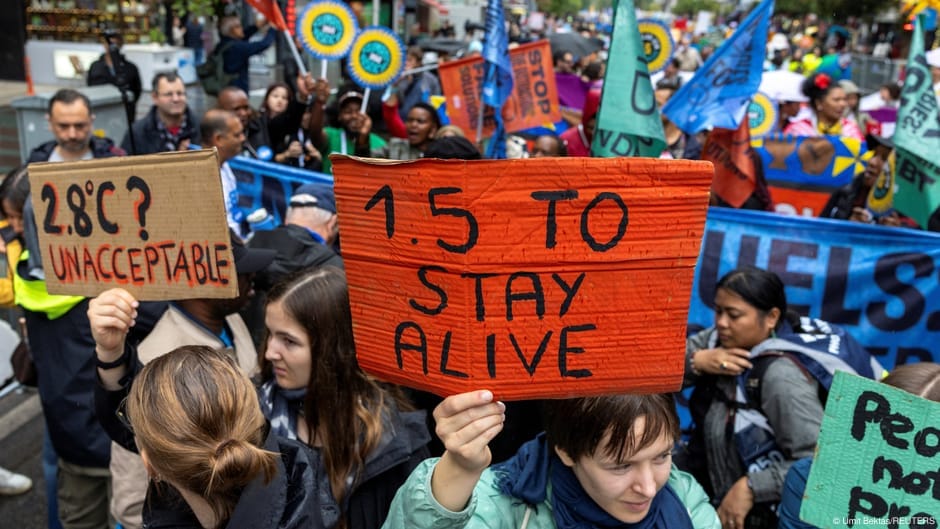
The UN's top climate official has urged negotiators at the COP31 climate summit in Antalya to avoid tactical delays. Tens of thousands of people marched in the city for climate protection, according to organizers.
Delegates from more than 200 countries are meeting at the UN's annual COP31 climate conference in Antalya, a Turkish city on the Mediterranean coast. The central aim is to prevent the planet from warming by 2 degrees Celsius (3.6 degrees Fahrenheit). As the talks moved into their second week, Simon Stiell, Executive Secretary of the UN Framework Convention on Climate Change (UNFCCC), called on negotiators to move quickly and not stall a deal.
UN appeal
Stiell described reaching an agreement as "tough but vital work" and stressed that collective success is impossible without compromise from every party. He urged delegates to turn swiftly to the hardest issues and avoid tactical delays. A first draft of the deal text is expected next week, according to Chris Bowen, Australia's COP31 President of Negotiations.
Protests in Antalya
On Saturday, tens of thousands of people marched through the city demanding climate protection and respect for human rights, according to the organizers. Many were dismayed by the lack of progress and by the climate crisis slipping down the agenda. Luisa Nebauer, main organizer of Germany's Fridays for Future movement, lamented that German Chancellor Friedrich Merz and several other European leaders were absent from the conference. South African environmental activist Zaki Mamdoo said the pursuit of profit continues to set the global agenda. Turkish authorities allowed the rally to go ahead, in a country that often bans large public gatherings. A parallel "People's Climate Summit" with hundreds of domestic and international civil society groups is also taking place in Antalya this weekend.
Muted expectations
With inflation, wars, deindustrialization and debt seen as bigger immediate threats, many governments are watering down their commitments to the clean energy transition and to funding for developing nations. For the second year in a row, the United States, under President Donald Trump, is snubbing the talks; he has called climate change a hoax. Large fossil-fuel-producing nations are also pressing delegates not to set stricter targets for a faster phase-out of oil and gas.
The summit seeks to unlock finance and investment, cut super-pollutants and methane, and ensure food security. Host country Turkey is pushing a plan to expand global electrification, though some environmental groups are disappointed that it does not promote more electricity from renewable sources. A UN report last month warned that the world will exceed the 1.5 degrees Celsius warming threshold, set in Paris in 2015, within a few years. The summit runs until November 19.