Nature protection official: Latvia lacks unified approach to habitat protection
Gita Strode, director of the Nature Conservation Department at Latvia's Nature Conservation Agency, says the country lacks a consistent approach to protecting species and habitats outside designated protected zones. She notes growing polarization in public attitudes toward nature protection.
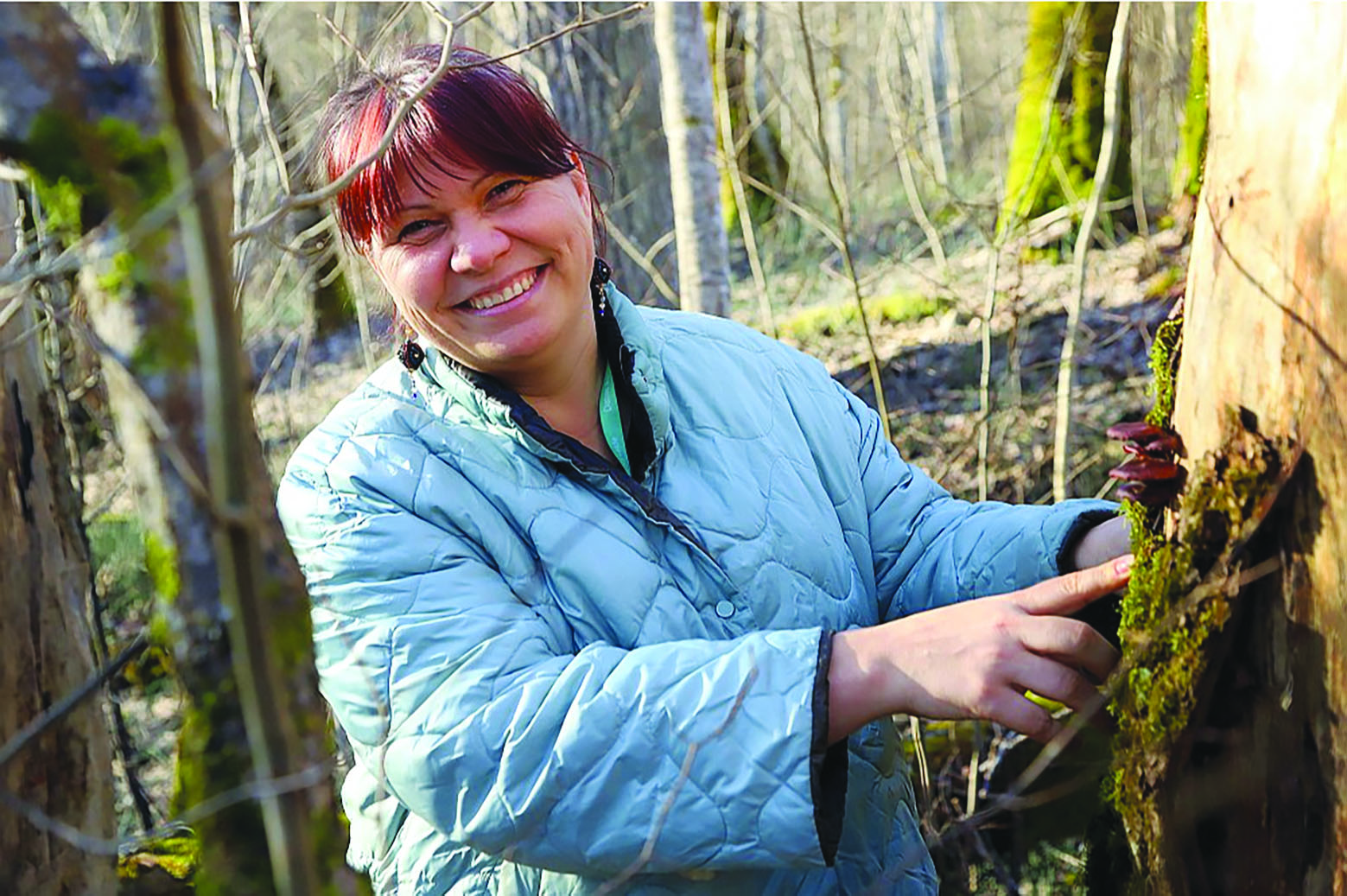
Gita Strode, director of the Nature Conservation Department at Latvia's Nature Conservation Agency, says in an interview that Latvia is not among the leaders in nature protection compared to other countries, though the situation varies significantly between individual protected areas — some have strict, effective regulation, while others are more formal on paper. She explains that in areas without designated functional zoning, only general restrictions apply, such as a ban on clear-cutting over two hectares, but there is no ban on cutting habitats or converting grasslands.
Role of municipalities and landscape plans
Strode explains that municipalities can include additional protection requirements in their territorial plans, for example covering tree alleys, historic plantings and manor parks, without creating new general restrictions. While developing landscape plans is costly, they are designed for a 20-year period.
Wind farms and habitat protection
Discussing wind farms, she stresses that each project is assessed individually, weighing impact on both landscape and on birds, bats and protected plants, though there is no solution that satisfies every concern. Strode acknowledges that outside specially protected territories, habitats are effectively unprotected once a permit for an activity has been issued — for example, forest-cutting permits only assess bird nests, not other species.
Pollution and public attitudes
Experts regularly find illegal wastewater connections to water bodies, often reported by residents. Strode notes that outcomes largely depend on local cooperation between municipalities and residents.
Overall, she describes the situation in nature protection as fluctuating, with growing polarization of opinions in recent years — ranging from demands to protect everything to demands to protect nothing, citing disputes over bear management as an example. According to background information, roughly 15-20% of Latvia's territory holds special protection status.