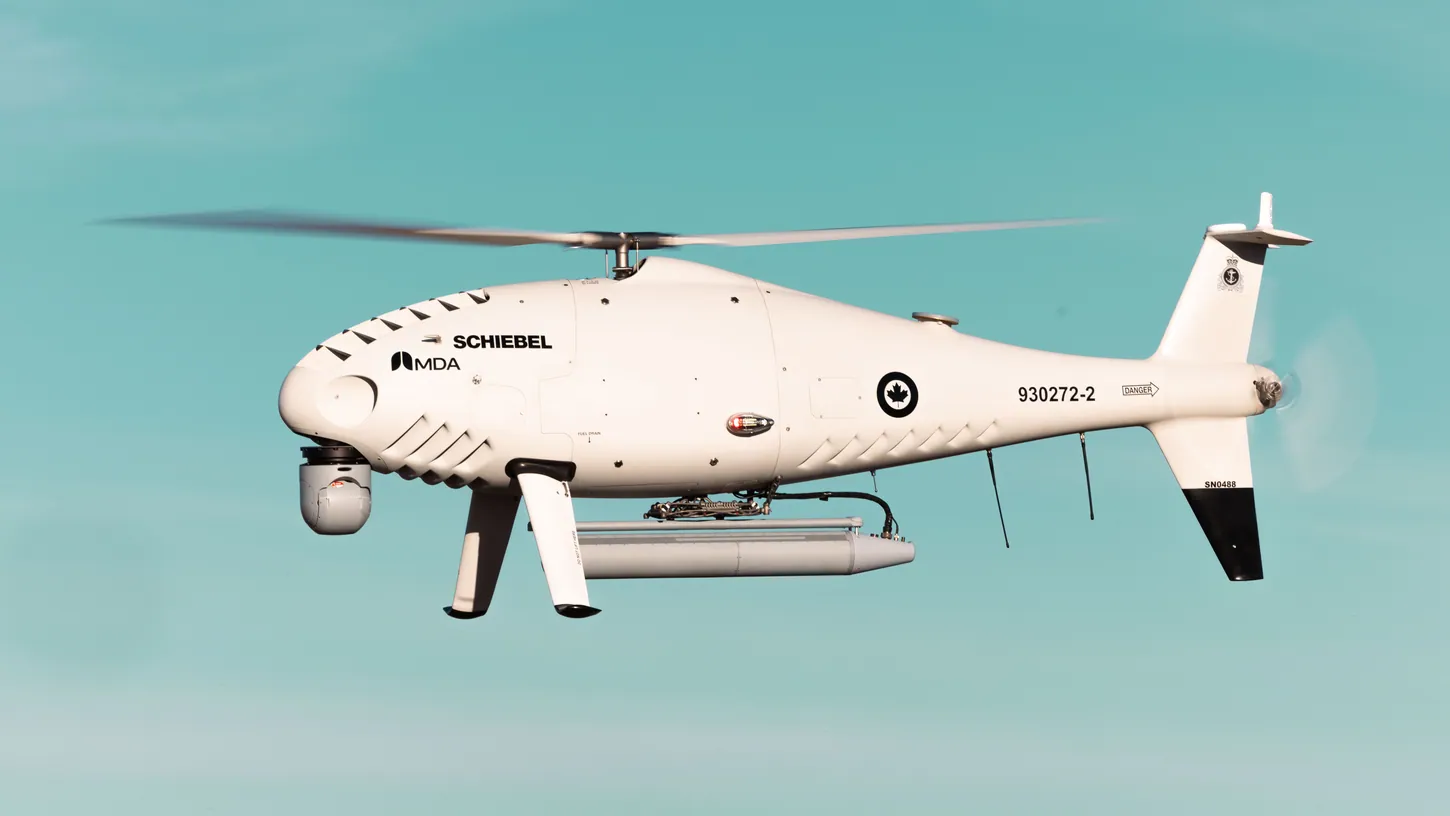
Denmark to ban drone flights over fenced-off residential properties
From January 1, 2027, drones in Denmark will generally need the owner's or resident's permission to fly over houses, gardens and courtyards enclosed by a fence, hedge or wall. The rule raises questions about its definitions and its fit with EU drone regulation.

Denmark is introducing new national rules for civilian drone (unmanned aircraft) flights on January 1, 2027. One of the most far-reaching restrictions covers flights over private homes: operators will need consent from the owner or resident to fly over a house, garden or courtyard enclosed by a fence, hedge, wall or similar boundary. The measure raises questions for drone pilots and about how it fits with the harmonised European Union (EU) drone framework.
What the rules require
The requirements are set out in Article 30 of Danish Executive Order BEK no. 1025 of November 20, 2026. It distinguishes between enclosed and unenclosed residential properties. For enclosed ones, consent is needed for the overflight itself, not only for flights involving photography or filming.
For properties without boundaries the rules differ somewhat. Drone operations within 2.5 metres of the building are generally restricted, and flying over the associated land also requires consent in certain circumstances, depending on whether the land belongs to the residence and where the drone is flown.
There are exceptions, including work for which other legislation grants access to the property and some activities involving critical infrastructure. Residents must still be informed in advance in the relevant cases.
What counts as enclosed?
The regulation sets no minimum height, size or other objective criteria for an adequate boundary. It is unclear whether a low decorative fence, a hedge with gaps or a partly fenced garden qualifies. Depending on interpretation, many homes could be affected. The Danish Civil Aviation and Railway Authority (Trafikstyrelsen) has earlier published guidance on similar consent requirements.
Relation to EU law
EU Regulation 2019/947 sets harmonised drone rules, and its Article 15 lets member states create geographical UAS zones for reasons such as safety, privacy and environmental protection. There is a distinction between designating specific zones and a general restriction applying to individual private homes nationwide. Annex 1 of the Danish regulation also says occupied residential properties may not appear on the official drone zone map even though the restrictions apply to them. This is not in itself proof of a conflict with EU law, but it merits closer examination.
Professional exemptions
Operators in the Specific category can use an exemption if their operational authorisation explicitly addresses flights over private properties. For some critical infrastructure and essential tasks, drones may fly at a minimum altitude of 100 metres and a speed of at least 5 metres per second, heading directly to their destination. Commercial operators doing aerial photography, inspections and surveying in built-up areas could still face practical consequences.