Gardener shares photos of bizarre tomatoes; experts explain fasciation phenomenon
A woman posted photos online of severely deformed tomatoes from three of her plants. Gardeners say the cause is fasciation, a physiological disorder linked to temperature swings, excess nitrogen or variety traits, and the fruits are safe to eat.
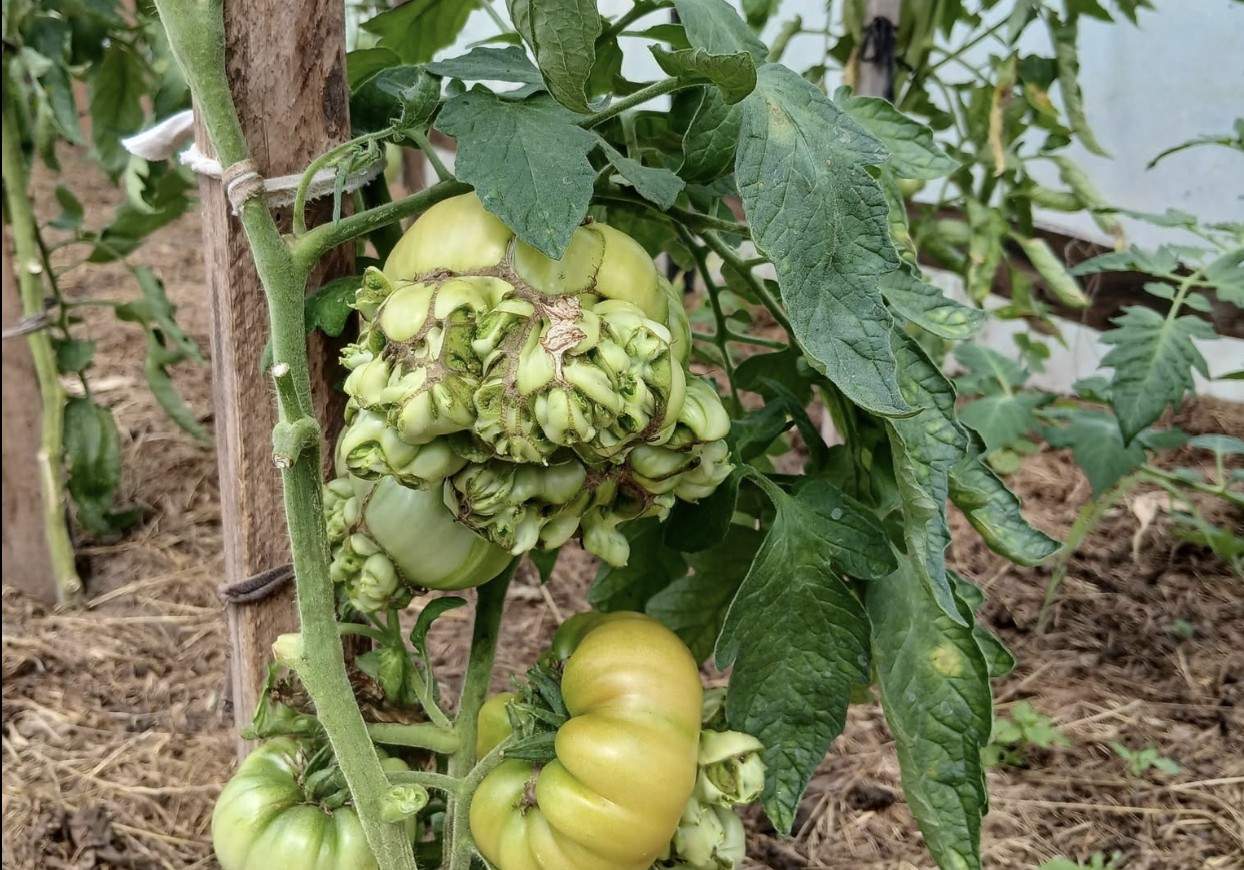
A photo of unusual tomatoes with strange growths and irregular shapes has been circulating on social media. The grower said that only three plants in her greenhouse produced such fruits and asked whether anyone could explain the phenomenon. Comments offered a range of theories, including mutants, radiation, poor seeds and viral diseases.
However, experienced gardeners said the explanation is natural. The condition is known as fasciation or catfacing. It is not caused by pests or diseases, but is a physiological disorder that develops during flower formation. Several flowers fuse together, producing one very large but heavily deformed fruit with ridges, thickened areas and an irregular shape.
Why does it happen?
Gardeners point to several likely causes. Low temperatures during flowering are a common trigger: if nighttime temperatures drop below about 10–12°C, normal flower development is disrupted. Sharp temperature fluctuations, prolonged heat and other unfavourable growing conditions can also contribute. Excessive nitrogen fertilisation may be another factor, as it promotes vigorous leafy growth at the expense of proper fruit development. Certain varieties are more susceptible, particularly large-fruited types such as beefsteak tomatoes and older heirloom cultivars, while small-fruited hybrids rarely have this problem.
Are deformed tomatoes safe to eat?
Yes. Although they look alarming, deformed tomatoes are generally safe to eat. Once ripe, any hard or bruised parts can be cut out, and the rest can be used like any other tomato.
To reduce the chance of such fruit, gardeners suggest identifying what are sometimes called “king” or deformed flowers early. These flowers are noticeably larger, often double, and have a flattened flower stalk. If they are pinched out while still in bloom, the plant will not waste energy on growing one huge, misshapen fruit and can direct energy to the remaining tomatoes. Many growers remove these flowers every year. Some commenters also noted that this season seems to have produced more deformed tomatoes than usual, which they attribute to the erratic weather.