Computer Model: Oxygen-Rich Atmosphere on Earth Could Collapse in About a Billion Years
A computer model by Japanese and US scientists suggests oxygen levels in Earth's atmosphere could drop sharply in about 1.08 billion years. Humanity faces no oxygen shortage in the near future.
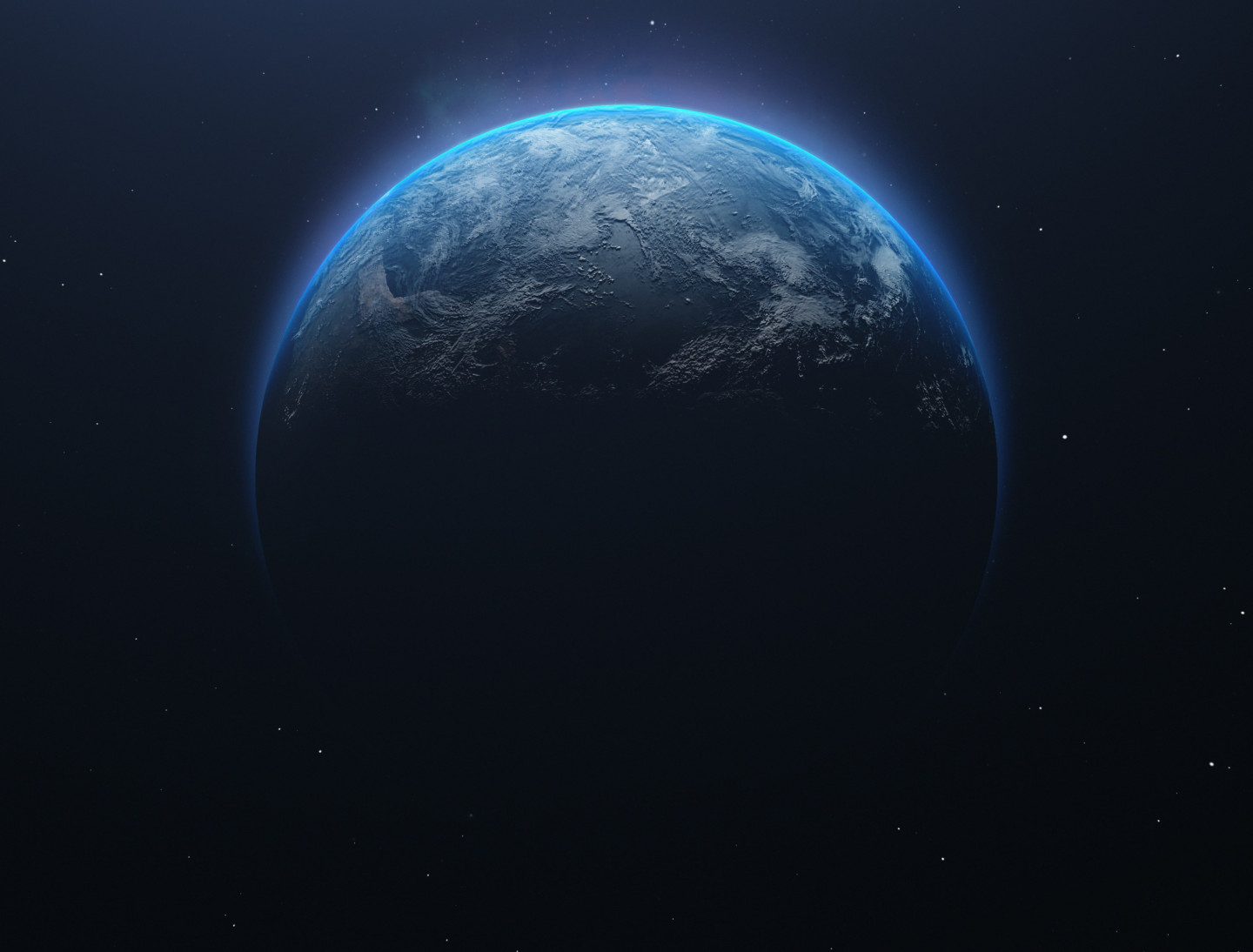
Computer modelling by scientists indicates that Earth's atmosphere could begin a sharp drop in oxygen in roughly a billion years, according to "BBC Sky at Night". The study concerns an extremely distant future, and humanity faces no oxygen shortage in the coming centuries or even millions of years.
How the study was done
Researchers from Japan's Tohoku University and the Georgia Institute of Technology in the United States built a model combining climate and biogeochemical processes. Kazumi Ozaki and Christopher Reinhard wanted to find out how long the planet can sustain its current oxygen-rich atmosphere. To make the result more reliable, they ran more than 400,000 simulations with varying parameters.
The calculations show that an atmosphere with oxygen concentrations well above very low levels can last on average about 1.08 billion years, with an uncertainty range of roughly 140 million years. After that, rapid deoxygenation would begin, significantly reducing the amount of oxygen.
Causes and consequences
The main driver is the Sun, which grows brighter over billions of years. Increasing radiation alters climate and the carbon cycle, and atmospheric carbon dioxide may fall to a level that makes photosynthesis considerably harder. Because photosynthesis supplies oxygen to the atmosphere, fewer photosynthesising organisms mean less oxygen.
Afterwards the atmosphere could resemble that of early Earth: plenty of methane, very little carbon dioxide, and a weaker or even vanished ozone layer. Anaerobic life forms, which do not need oxygen, would dominate. Such conditions would be unsuitable for humans and most complex organisms known today, but the planet would not become entirely lifeless.
Relevance for the search for life
Earth is about 4.5 billion years old, yet its oxygen-rich atmosphere emerged after the Great Oxidation Event roughly 2.5 billion years ago. The authors estimate that such an atmosphere characterises only about 20–30 percent of Earth's history as an inhabited planet.
This matters for astronomers searching for biosignatures, substances in an atmosphere that may indicate biological processes. Oxygen is one of them, but a planet can be inhabited with very little oxygen or none. The scientists stress that the results are a modelled possible scenario, not a precise calendar.