De facto: Storm exposes lack of backup generators at nearly 90% of Latvia's fuel stations
A recent storm revealed that most of Latvia's critical infrastructure is unprepared for prolonged power outages, with almost 90% of fuel stations lacking backup generators and communication networks holding out only a few hours without electricity. The Latvian Television programme "De facto" found there have been no unified minimum requirements in this area until now.
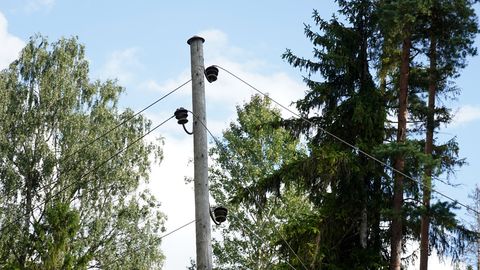
A powerful storm that recently hit Latvia has exposed serious weaknesses in the resilience of the country's critical infrastructure. Extended power outages triggered a chain of secondary problems, disrupting mobile communications, fuel supply, retail trade and water services.
The Latvian Television programme "De facto" investigated how well companies and institutions are prepared for such emergencies. It found that nearly 90% of fuel stations across the country have no backup generators that would allow them to keep operating during a power cut. This means the vast majority of stations are effectively unable to serve customers during storms or other outages.
Communication networks hold out only briefly
Similar shortcomings were found in the mobile communications sector. The investigation revealed that network equipment can run on backup power for only a few hours before batteries die and connections are lost. This creates a risk that during longer outages, residents could be left unable to make calls or reach emergency services precisely when it matters most.
No unified standards in place
"De facto" also found that Latvia has so far had no unified minimum requirements specifying how long fuel stations and telecom operators' networks must be able to function independently if the centralized power supply fails. The absence of such regulation means preparedness for emergencies varies significantly between companies and sectors, largely depending on each market player's own initiative.
Recent events suggest that, amid climate change, severe weather events causing prolonged power outages are likely to become more frequent. This raises the question of whether clear standards for critical infrastructure resilience should be established to reduce risks to residents and businesses in future emergencies.

/nginx/o/2026/04/04/17544451t1h7492.jpg)
