South Korea sees growing support for mandatory military service for women
A new survey shows nearly 60% of South Koreans now back requiring women to perform mandatory military service, a shift in a long-sensitive debate. The issue is gaining traction ahead of an autumn defense reform amid falling birth rates and a shrinking pool of recruits.
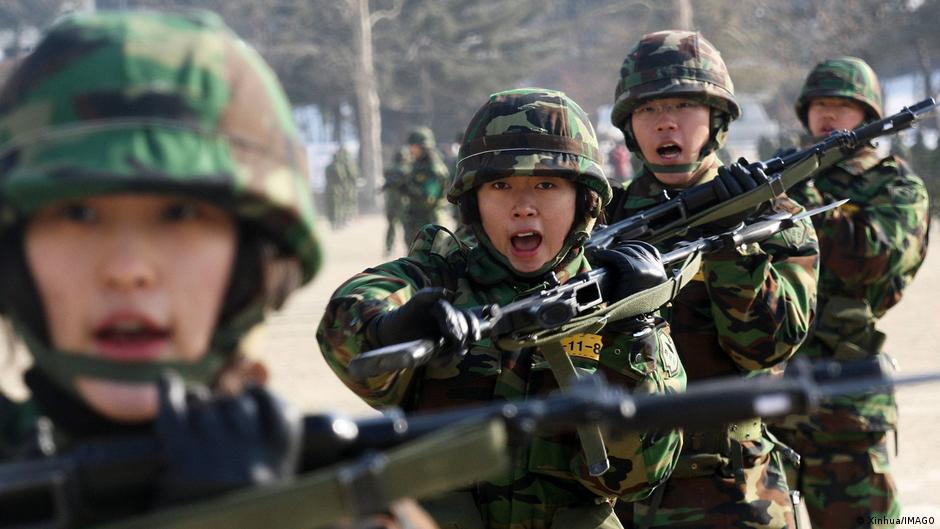
Public support is growing in South Korea for extending mandatory military service to young women, according to a survey published on August 20 by the Reform Institute, the research arm of the conservative-leaning Reform Party. Nearly 60% of respondents favored changing the law to require women's national service, while about 34% were opposed. Support was higher among men, at almost 65% overall and 71.7% among men in their 20s and 30s, while 54.5% of women backed the idea.
Currently, all able-bodied South Korean men must complete 18 to 21 months of service and can be recalled in emergencies such as war with North Korea. Thousands of women already serve voluntarily, but mandatory service for women has long been a delicate topic.
Why attitudes are shifting
Hyobin Lee, a professor at Sogang University in Seoul, said the male-centered system was historically tied to traditional gender roles, with men expected to defend the country and women expected to manage household and childcare duties. Two forces are now reshaping the debate: an intensifying conversation about gender equality, driven largely by young men, and a shift in the nature of military service itself, away from physically demanding combat roles toward technology-driven fields such as drones, cyber capabilities and communications.
Demographics add urgency. Defense Ministry figures show the number of men eligible for service fell from about 332,000 in 2019 to 257,000 in 2022, and is projected to drop to just 120,000 by 2043.
Concerns remain
Lee cautioned that requiring women to serve could add to an already heavier burden they carry around pregnancy, childbirth and caregiving, potentially further discouraging marriage and childbirth in a country with an extremely low birth rate. Human rights activist Song Young-Chae, who served near the Demilitarized Zone, argued South Korea should instead invest more in drones, robots and other advanced technologies rather than sending women to front-line roles.
The government set up a task force last year to overhaul the country's defense plan, including the conscription system introduced in the 1950s. Military Manpower Commissioner Hong So-young has acknowledged the country faces a "demographic cliff" requiring urgent reform, though she declined to comment specifically on mandatory service for women.