Digital Biodiversity Library Offers 64 Million Pages of Natural History, Faces Funding Crisis
The Biodiversity Heritage Library (BHL) has made over 64 million pages of biodiversity literature freely available online, but its future is threatened by funding shortfalls, with estimated reserves only lasting until the end of 2027.
The Biodiversity Heritage Library (BHL) is a unique digital collection built from contributions by more than 680 museums, universities, and scientific institutions worldwide. Over the past 20 years, it has digitized materials ranging from medieval pharmacopeias to Victorian trade catalogs, field diaries, and illustrations of extinct species.
One of the oldest items is the "Circa instans," a manuscript from around 1190 that helped standardize plant names and uses across medieval Europe. Another highlight is Sir Joseph Hooker's illustrated Antarctic journal from 1841, featuring watercolor sketches of volcanoes. The collection also includes John Gould's 1863 "The Mammals of Australia," which contains an illustration of the now-extinct Tasmanian tiger.
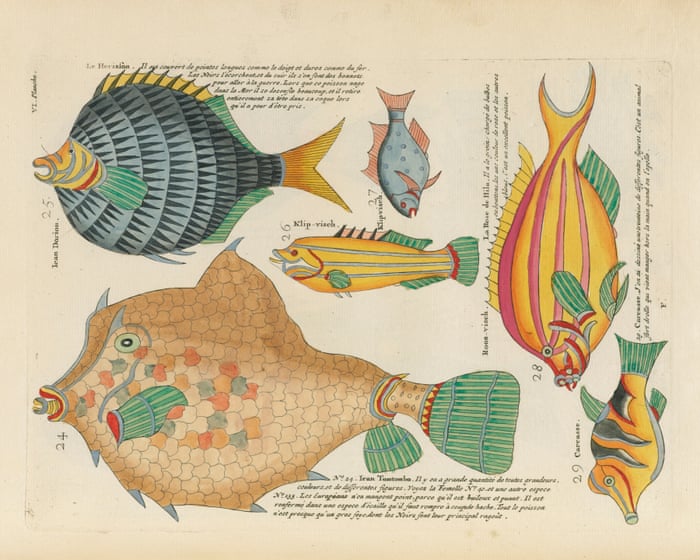
BHL has proven valuable for scientific research. During the COVID-19 pandemic, historical journals helped scientists document changes in rare Australian orchids after the 2019-2020 wildfires. A handwritten bird diary allowed researchers to track river flooding patterns from 1947 to 1957. The library also contains 18th-century works like Louis Renard's "Poissons, Ecrivisses et Crabes," which mixes accurate fish illustrations with mythical creatures like mermaids.
However, BHL's future is uncertain. The Smithsonian Institution, which faced funding cuts under the Trump administration, has stopped hosting the library's administration and supporting its technical infrastructure. David Iggulden, chair of BHL's executive committee, estimates that maintaining the library requires about $1 million per year, and current funding is projected to last only until the end of 2027. Nicole Kearney, who leads the Australian branch, notes that even additions to the BHL's Flickr page have been paused due to resource constraints.
Despite these challenges, there is potential for expansion. Iggulden believes artificial intelligence could unlock vast amounts of data in the library, making it more accessible for computational analysis. Kearney emphasizes that BHL is crucial for understanding and saving species, and that the 64 million pages represent a foundation for future discoveries. The library is seeking donations to secure its long-term future.