New documentary captures Belarus's repression through prisoners' letters
Director Andrei Kutsila's documentary Letters from the Silenced Country premieres at the Venice Film Festival, portraying ongoing state repression in Belarus. Unable to film inside the country, Kutsila built the film around letters written by political prisoners.
Belarusian filmmaker Andrei Kutsila's new documentary, Letters from the Silenced Country, premieres at the Venice Film Festival on September 9. Co-produced by Germany's DW, the film portrays the Belarusian state's system of repression, which has continued unabated since the disputed 2020 presidential election triggered mass protests.
While many hoped the protests would end Alexander Lukashenko's authoritarian rule, authorities instead launched a sustained crackdown that persists today. According to the human rights group Viasna, at least 65,000 politically motivated arrests and detentions have been recorded in Belarus since 2020. Kutsila, who now lives among the 300,000 to 500,000 Belarusians in exile, says colleagues were arrested while he worked on his previous film, and that new prisoners continue replacing those released.
Letters as a starting point
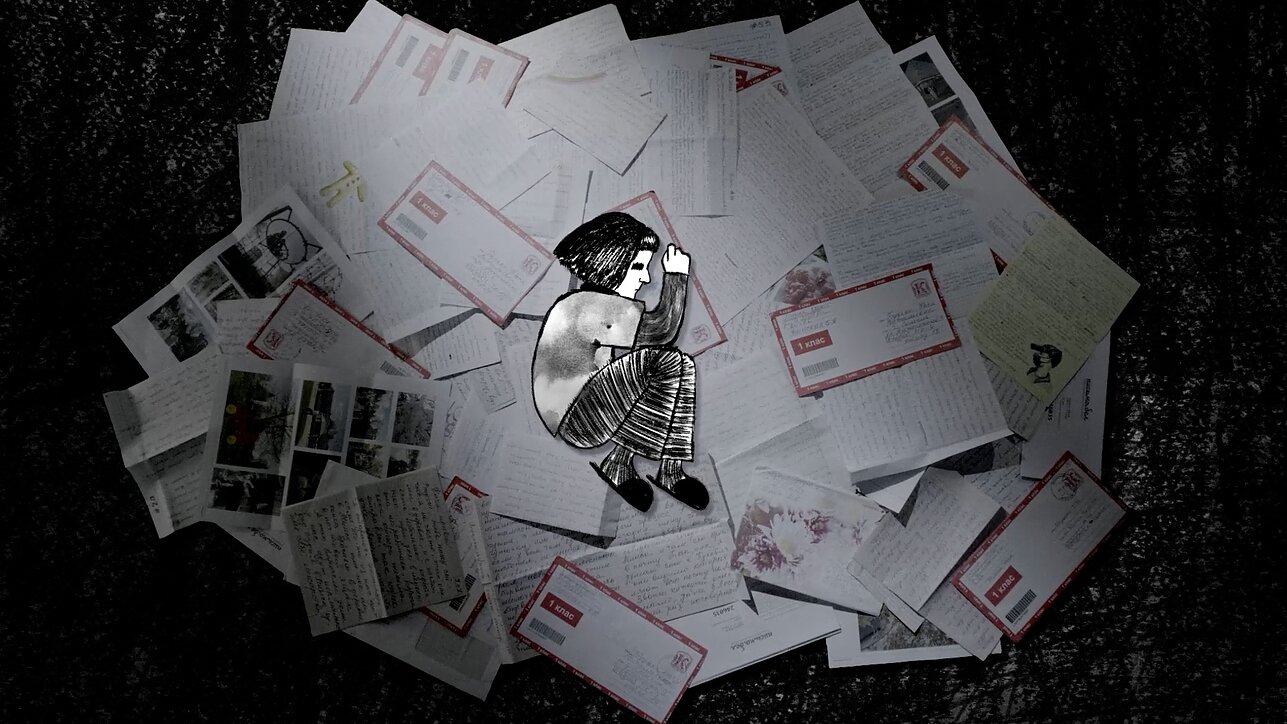
Since returning to Belarus to film in person was not possible, Kutsila built the documentary around letters written by political prisoners, reading thousands of them before selecting protagonists — prisoners, exiles and underground activists — whose stories reflect different facets of the repression.
Among them is environmental activist and opposition figure Vitold Ashurak, sentenced to five years for taking part in the protests, who died in custody under suspicious circumstances. The film also includes animated sequences based on drawings by student Kasia Budzko, sentenced to two and a half years for protesting, and features former criminal investigator Andrei Ostapovich, who resigned in August 2020 after denouncing police brutality against demonstrators and subsequently fled the country.
Between resignation and hope
Kutsila acknowledges sharing some of his protagonists' ambivalence about Belarus's future, but points to a longer historical view: 200 years ago, he notes, Belarus did not even exist on a map, underscoring a long struggle for the country's freedom. He says solidarity, human connection and love remain the sources of hope amid ongoing repression, and that his film aims to convey exactly that.