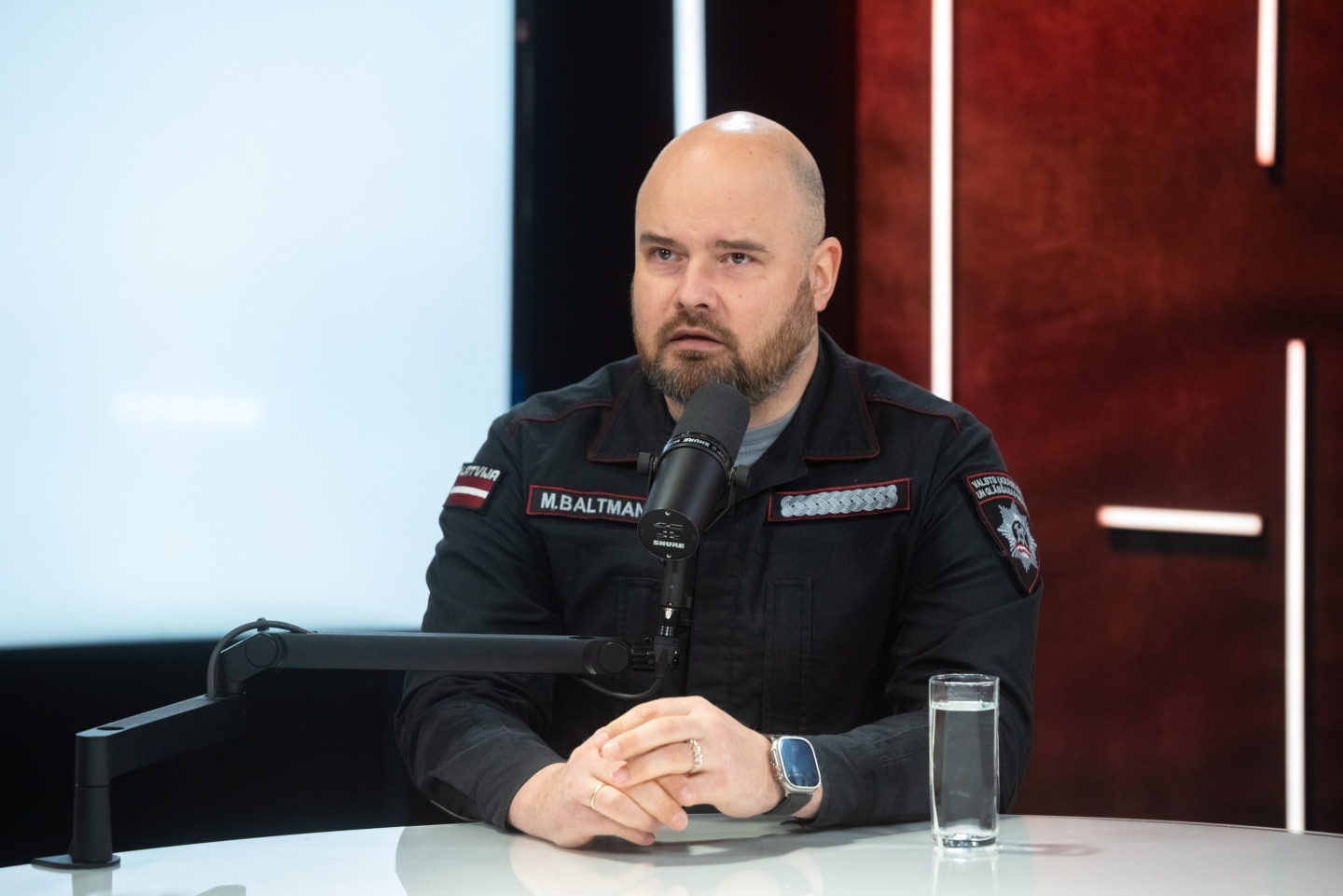
Driņķe: Rising Cost of Living Is Gradually Changing Everyday Habits in Latvia
On TV24's “Preses klubs” programme, Zane Driņķe, rector of the Turība Business University, said higher prices lead families to attend fewer events and travel less. A survey by Citadele bank shows 44% of Latvian residents are not ready to cover unexpected expenses.
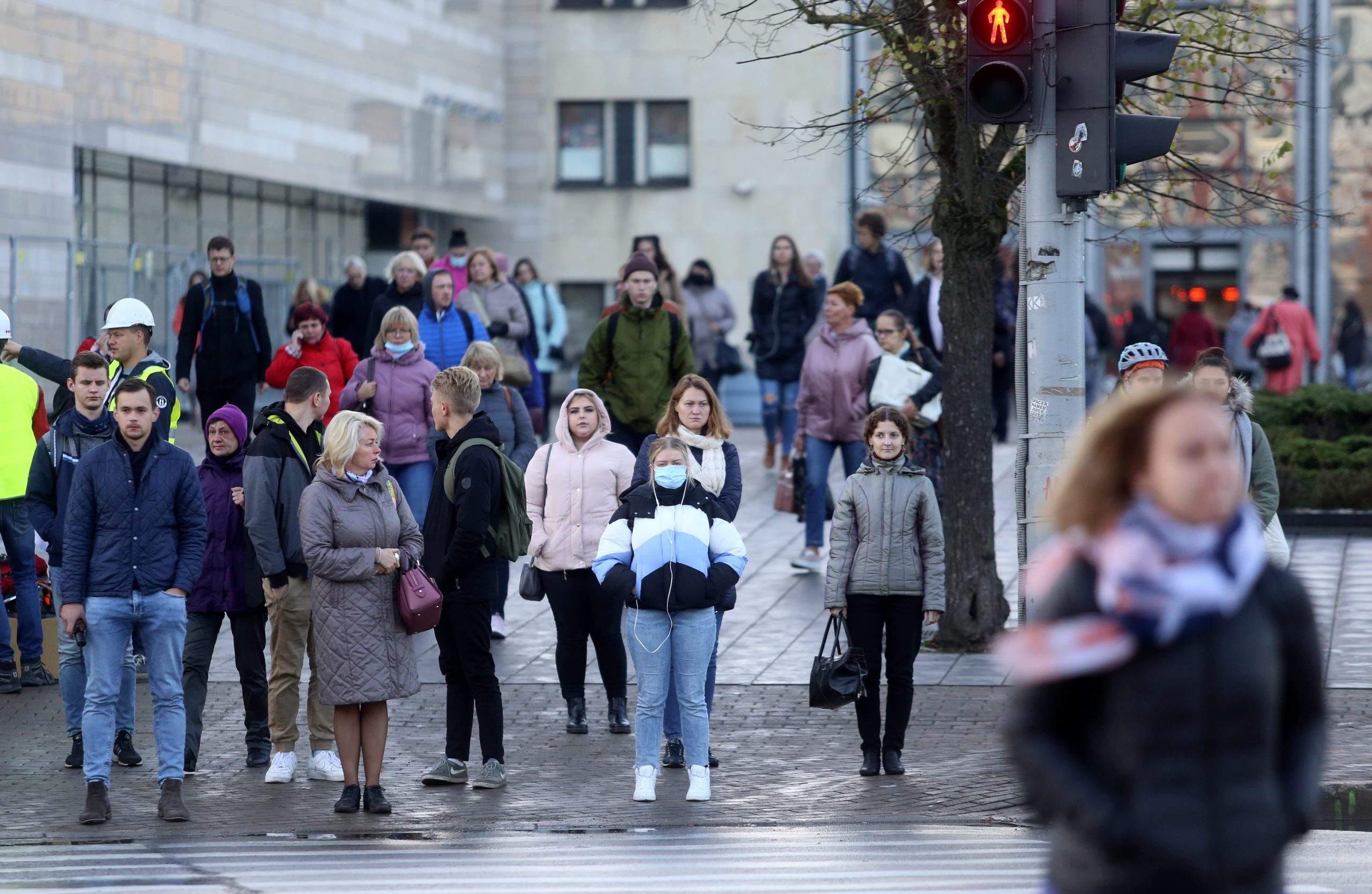
Rising prices for food, fuel and other everyday necessities in Latvia are pushing people to plan their spending more carefully and adjust their habits. This was discussed on 9 November on the TV24 programme “Preses klubs” by Zane Driņķe, rector and professor of the Turība Business University, member of the council of the Latvian Chamber of Commerce and Industry, and chair of the supervisory board of the state-owned company Latvijas valsts meži.
According to her, higher prices affect not only daily purchases but also how often families travel, attend events and take part in other leisure activities. Driņķe said her own family now goes to events less often and travels less. In her view, this is more an adjustment of lifestyle than a deliberate renunciation of everything that brings joy: people are simply assessing their options and priorities differently. She added that the Covid-19 pandemic made her family realise that Latvia has enough places for recreation and tourism that can be enjoyed without going abroad.
Survey: growing financial insecurity
A survey by Citadele bank, reported by the news agency LETA, shows that 44% of Latvian residents are not ready to cover unexpected expenses. In Estonia the figure is 48% and in Lithuania 28%. In Latvia it has risen by six percentage points since July.
One in four respondents considers their situation insecure, while one in five feels a marked lack of confidence about financial reserves for unforeseen cases.
Insecurity has grown particularly fast among young people: more than half of those surveyed doubt their ability to cover unexpected costs, compared with 39% in July. Among women the figure has risen by five percentage points to 47%.
The share of people confident about their savings has also fallen, from 33% in July to 29%. The share of seniors who feel confident was nine percentage points lower in October than in July, when 34% felt fairly secure.