James Webb Space Telescope celebrates fourth anniversary with most detailed image of Centaurus A
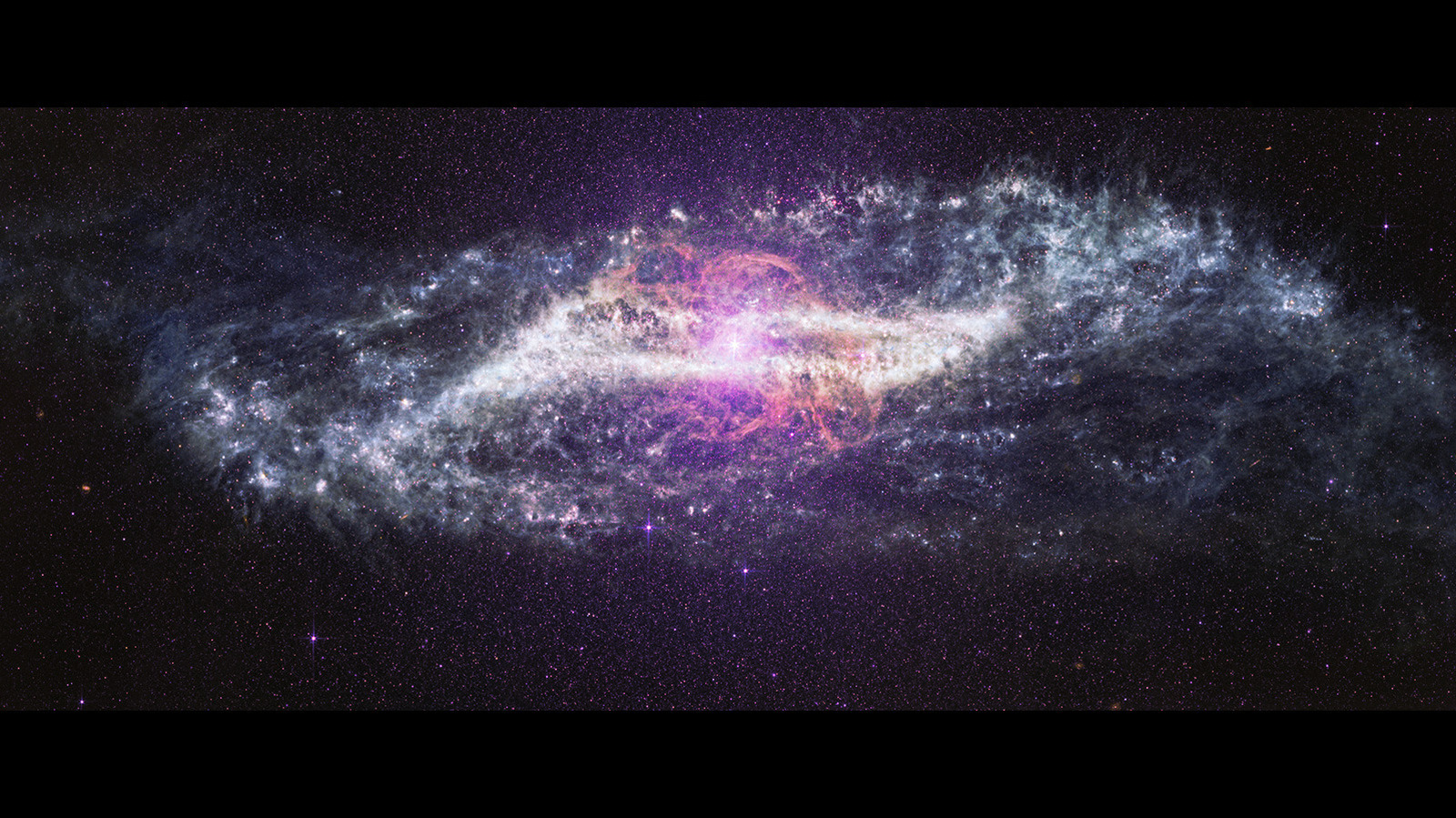
NASA has released the most detailed images yet of the Centaurus A galaxy, captured by the James Webb Space Telescope. The images reveal new details about the galaxy's rich dust structures and star-forming regions.
A new milestone in space exploration
Almost four years have passed since NASA released the first image captured by the James Webb Space Telescope, showing the sharpest and deepest image of the distant universe. Now, the agency has released the most detailed images ever seen of Centaurus A, a familiar galaxy previously captured by older space telescopes. NASA wrote in its announcement that these images mark four years of better-than-anticipated performance and successful science operations for the most powerful space telescope in history.
Centaurus A – an active galaxy with an unusual history
Centaurus A, located about 11 million light-years away from Earth, is highly active compared to other nearby galaxies. At its center lies a supermassive black hole feeding on surrounding material and releasing enormous amounts of energy. The galaxy also has an unusual structure due to a major collision with another galaxy some 2 billion years ago. These characteristics make Centaurus A an ideal target for studying how galaxies and black holes evolve together.
Webb's advantages
Previously, Hubble's visible-light observations were blocked by thick dust layers covering the galaxy. NASA's Spitzer Space Telescope could capture large structures in infrared light, but not individual stars. Now, Webb's Mid-Infrared Instrument (MIRI) has captured even small details of the galaxy's rich dust structures. The glowing reddish-purplish dots in the image show dust-rich stars or stellar nurseries, where old stars shed material and new stars form.
NASA has also released a combined image from MIRI and Webb's Near-Infrared Camera (NIRCam). With these images, scientists can now study Centaurus A star by star to gather data needed to establish a timeline for the galaxy's evolution.