Hong Kong's Joshua Wong Handed Another 10 Years in Prison for Collusion With Foreign Forces
A Hong Kong court on Thursday sentenced pro-democracy activist Joshua Wong to 10 more years in prison for colluding with foreign powers under the Beijing-imposed national security law. He is now not due for release until late 2036.
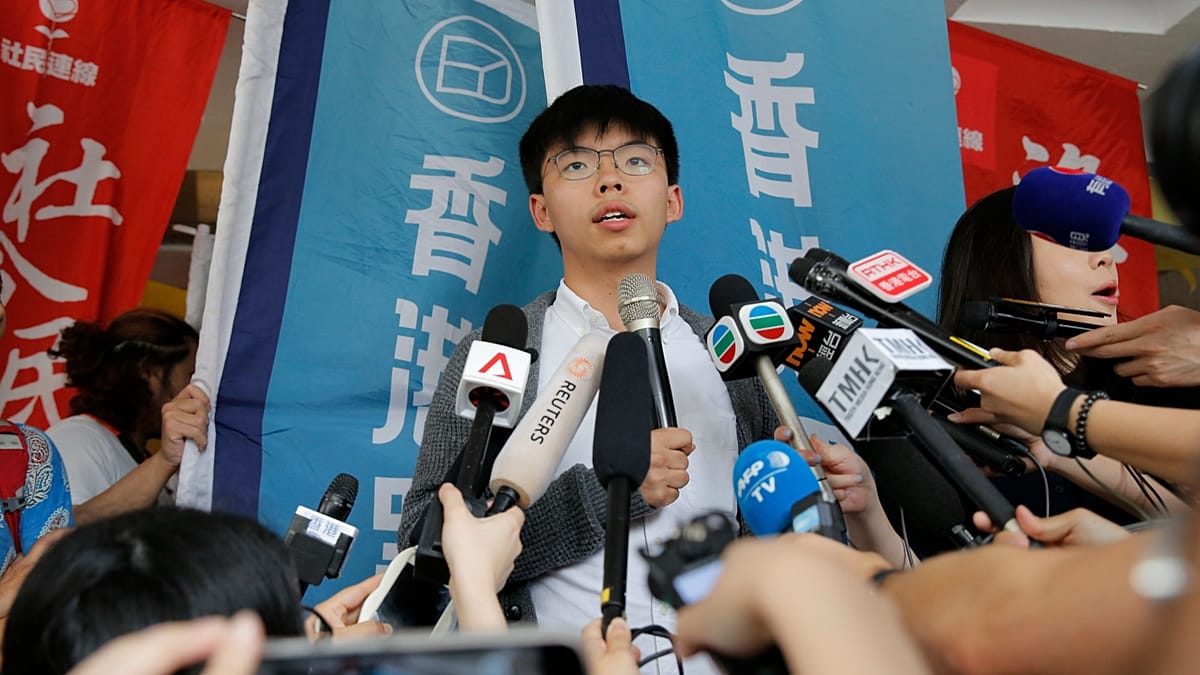
A Hong Kong court on Thursday sentenced prominent pro-democracy activist Joshua Wong to a further 10 years in prison for colluding with foreign powers. The ruling was made under the national security law introduced in the territory by Beijing. Wong, who gained international prominence during the 2014 "Umbrella Movement", has already spent almost six years behind bars and is now due to stay there until late 2036.
A new charge after an earlier sentence
Wong, who turned 30 last month, had previously served four years and eight months for "subversion" and had been expected to walk free in January. However, in June last year the authorities used the same law to charge him again, accusing him of working with other countries and entities to bring about sanctions against Hong Kong and China.
Judge William Tam said Wong's offence was "of a grave nature", meaning he could potentially have faced a life term. The court set an "appropriate starting point" of 13 years, which was cut to 10 because Wong pleaded guilty. The court described Wong and fellow student leader Nathan Law, who lives in self-imposed exile and is wanted by the authorities, as "two ring-leaders or masterminds" of the conspiracy.
In February last year, pro-democracy tycoon Jimmy Lai, founder of the now-defunct Apple Daily newspaper, was given 20 years under the same legislation.
Reactions
In a mitigation letter to the court, seen by the AFP news agency, Wong said he had hoped to leave prison in 2027 but that the new charge made him feel he was back at the beginning. After the sentencing he thanked his supporters; some wept and said they would be waiting for his release.
Human Rights Watch called the sentence "cruel and unjust" and urged foreign governments to impose targeted sanctions on the officials responsible. Taiwan criticised what it called "endless political persecution". Steve Li, chief superintendent of the Hong Kong police's National Security Department, welcomed the ruling.