Congo's Ebola Outbreak Kills More Than 1,000 People
The Democratic Republic of Congo is facing its fastest-spreading Ebola outbreak on record, with over 1,000 deaths confirmed. The disease is caused by the Bundibugyo virus, which has no approved vaccines or treatments.
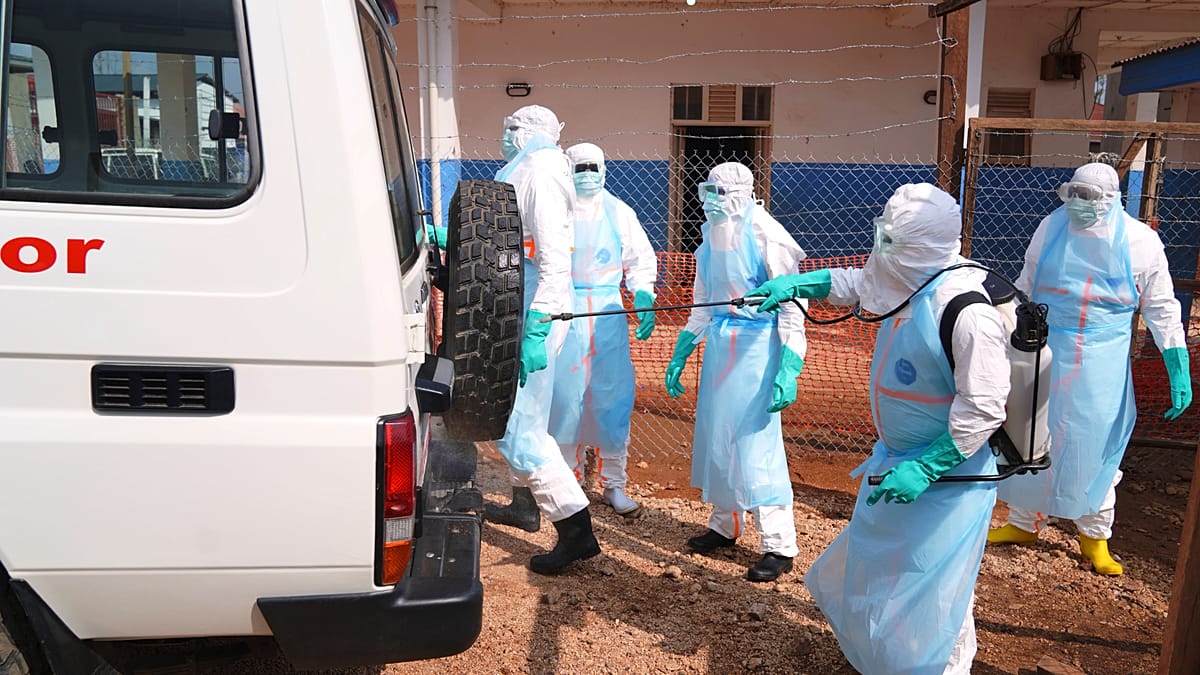
Ebola Outbreak in Congo: Over 1,000 Dead
More than 1,000 people have died in the Ebola outbreak in the Democratic Republic of Congo (DRC), Africa's top health body reported. Speaking at a health summit in Ghana on Wednesday, Dr. Jean Kaseya, director-general of the Africa Centres for Disease Control and Prevention, confirmed 1,031 deaths. "These are people dying. They are dying because we don’t have vaccines, we don’t have medicine, we don’t have funding," he added.
According to the latest update from the DRC's Ministry of Health, 2,473 Ebola cases had been recorded as of Monday, with at least 737 patients in isolation or receiving hospital treatment. The outbreak, declared on May 15, has become the fastest-growing Ebola outbreak in history.
Unlike most previous outbreaks, it is caused by the Bundibugyo virus, for which there are no approved vaccines or treatments. Last week, the University of Oxford's Vaccine Group launched the world's first human clinical trial of a vaccine against this virus. The Phase I clinical trial will take place in Oxford and will assess safety and immune response in 50 healthy adults aged 18 to 55.
Health officials have warned that about 80% of new cases are emerging outside known chains of transmission, indicating the outbreak is spreading faster than it can be tracked. Authorities are stepping up their response in Ituri province, the epicenter, and four other affected provinces.
Experts Warn of Worsening Crisis
Experts have warned the crisis could worsen. Last month, researchers at the U.S. Centers for Disease Control and Prevention (CDC) modeled the outbreak's potential evolution, warning that in a worst-case scenario it could approach the scale of the 2014–2016 West Africa epidemic. "There’s never been an Ebola outbreak that started with so many cases because it was so late to be identified," said Trish Newport, emergency program manager for Doctors Without Borders working in Congo. "It’s like the outbreak is outrunning the response."
Dr. Jean Nachega, an epidemiologist at the University of Pittsburgh advising African health authorities, said he does not expect the outbreak to reach the CDC's worst-case scenario but warned that the challenges remain "huge."