Oak Acorn Harvests May Help Forecast Lyme Disease Risk in Coming Seasons
Scientists have found a link between red oak acorn yields and the spread of tick-borne Lyme disease. According to the study's lead author, risk can be predicted two years ahead.
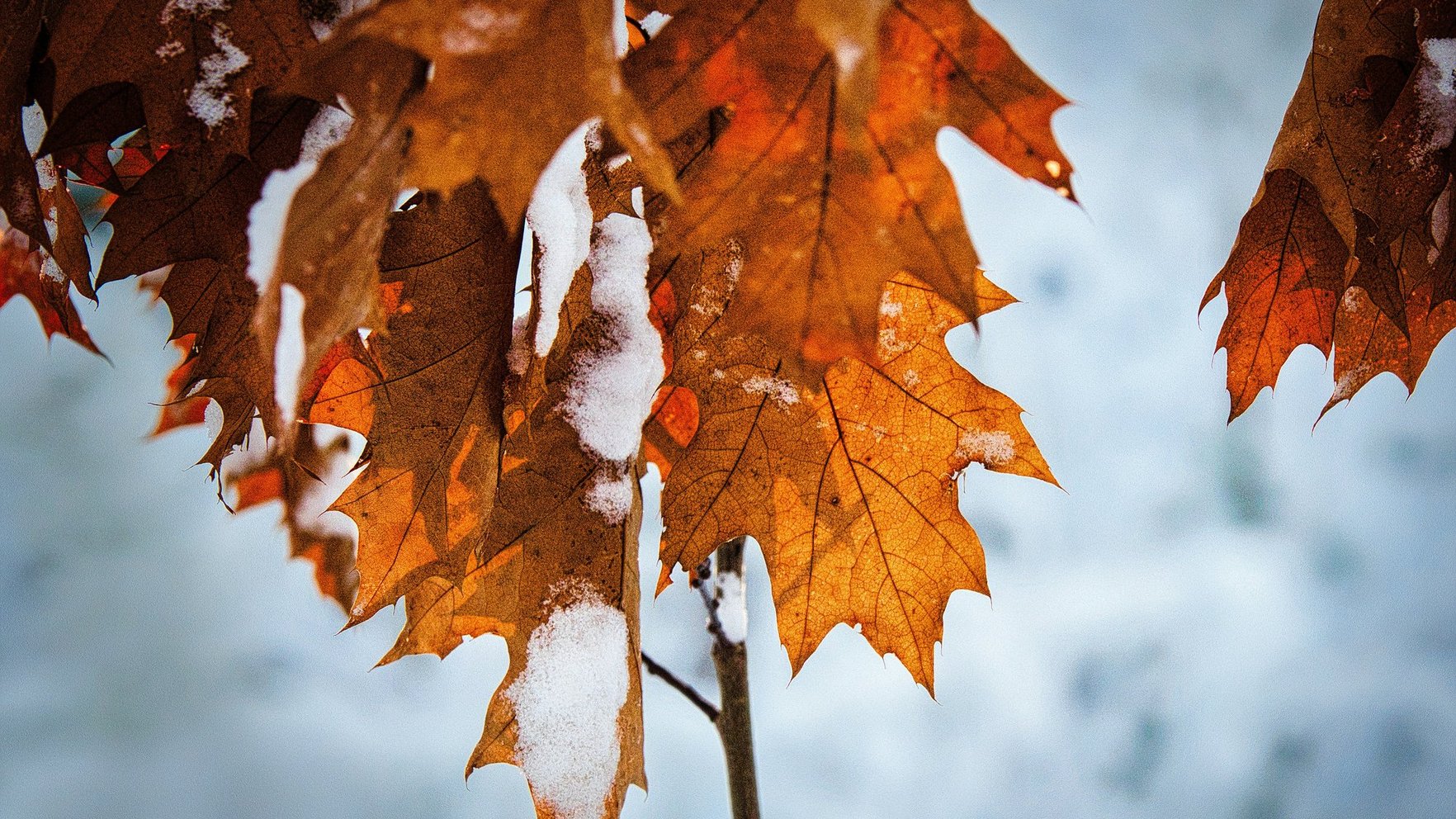
A study published in the scientific journal Proceedings of the National Academy of Sciences USA (PNAS) indicates that the risk of tick-borne Lyme disease in coming seasons can be anticipated from the amount of red oak acorns produced in autumn. The finding matters because every spring specialists warn about ticks becoming active, and entomologists are asked to judge whether this year will bring more or fewer ticks than usual.
Tick-borne diseases are a live issue in Latvia: according to the Centre for Disease Prevention and Control (SPKC), the country as a whole is classed as a high-risk area. People mostly associate ticks with encephalitis and Lyme disease.
How acorns affect tick numbers
The study describes the following chain of events. When red oaks produce an abundant acorn crop in autumn, white-footed mice living there have an easier winter. More rodents survive until spring, and their population rises sharply the next summer. These mice are good hosts for tick larvae, and it is largely from them that larvae pick up the bacteria that cause Lyme disease. The more mice in one year, the more tick nymphs the following year. A larger number of nymphs, in turn, raises the likelihood that ticks will attach to people and infect them.
Scientific American quotes the study's lead author, Richard Ostfeld, as saying: "We can predict two years ahead which season will be especially bad in terms of Lyme disease risk."
Earlier research and caveats
Researchers at Columbia University had previously established a link between acorn numbers and tick nymph numbers. Ecologist Maria Diuk-Wasser, part of the Columbia team, praised the scope of the new study, which analysed data covering 35 years. In her view, such long-term studies are rare in any field, including research on tick-borne diseases.
Still, Diuk-Wasser urges that other factors that can help predict tick-borne disease risk not be overlooked, including deer numbers. The ticks examined in the study feed mainly on the blood of white-tailed deer.