Europe weighs boosting Ariane 6 production as subsidies remain a sticking point
The European Space Agency expects ministers to decide by year's end whether to scale up Ariane 6 rocket production, even as each launch still requires tens of millions of euros in government support.
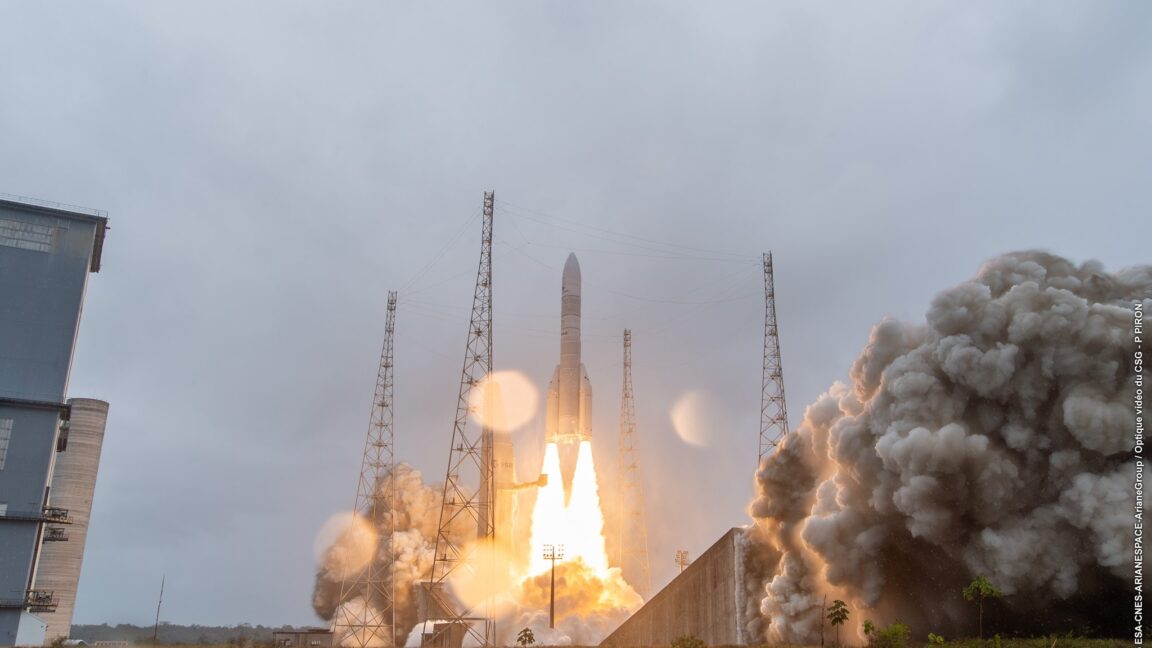
European Space Agency Director General Josef Aschbacher has confirmed that despite the Ariane 6 rocket's commercial success in winning private missions, Europe is likely losing money on each flight. About 3.6 billion euros were invested in developing the rocket and its launch site in French Guiana, but that spending does not stop there.
Aschbacher said that, based on nine flights a year, European governments involved with the agency will still need to subsidize each launch with between 32 million and 38 million euros. When development costs are amortized alongside the ongoing subsidy, European taxpayers effectively put more than 100 million euros into each launch before the customer pays operator Arianespace anything.
Plans to increase launch rate
Europe's current target is nine to ten Ariane 6 flights per year. In June, Aschbacher said Europe is on track to have the capability for ten launches next year, matching the goal set for Arianespace. However, given rising global demand for launch services and a shortage of capacity, officials are discussing scenarios that could push the annual rate to 12, 15, or even 20 launches.
Because Ariane 6 is expendable, increasing its flight rate requires ramping up production of every component — solid-rocket motors, first-stage engines, upper stages, and payload fairings. Aschbacher said he hopes to have clarity from European ministers by the end of this year on any plans to scale up production.
The decision won't be simple, as it would require investment in factories and logistics. There's also the question of whether expanding capacity is worthwhile if attracting demand depends on heavily subsidizing the launch price. Ministers may instead decide those funds are better spent developing a next-generation Ariane rocket with at least partial reusability, better positioned to compete with the growing fleet of reusable vehicles in the United States and China. The ministers' decision later this year is expected to reveal much about how they view Ariane 6's long-term future.