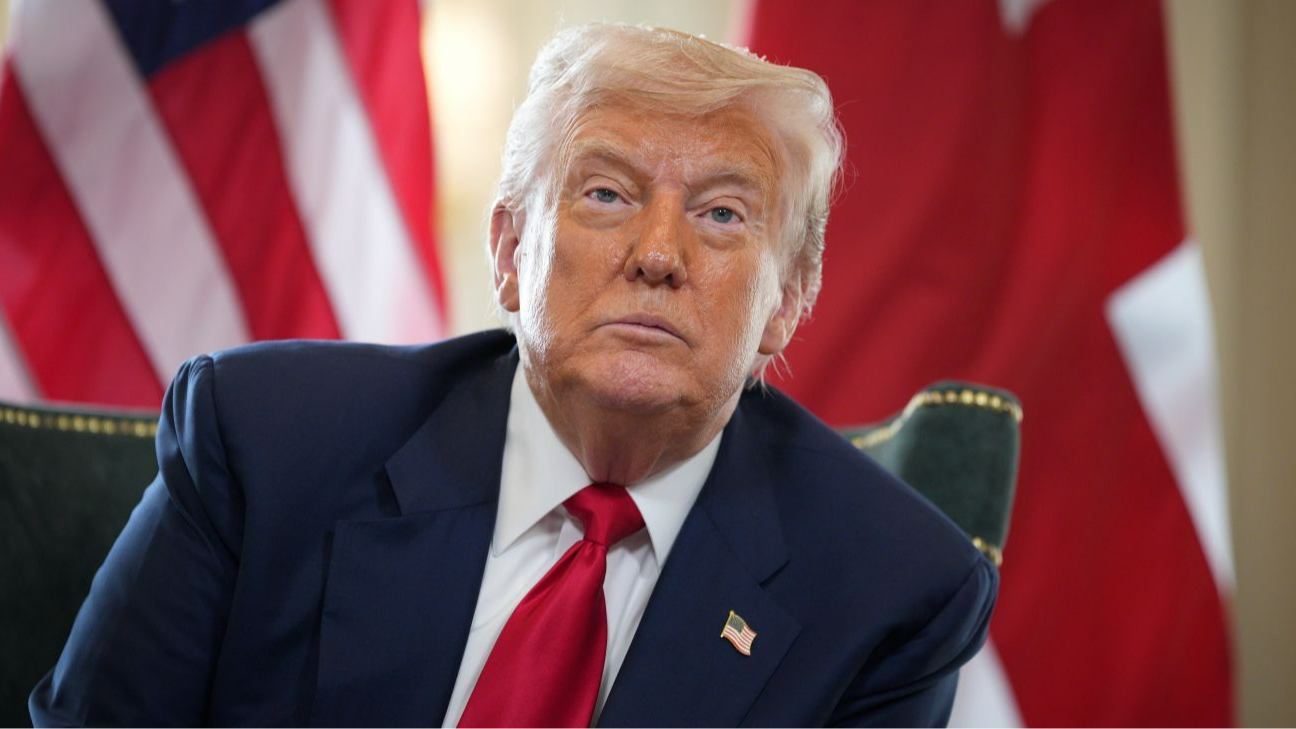
Europe stands by Ukraine, but how long will its support last?
Europe has committed more money to Ukraine than the US, but analysts warn that a run of elections, especially in France, could threaten future backing. EU leaders aim to agree in December on how to cover a €70bn funding gap for 2027.
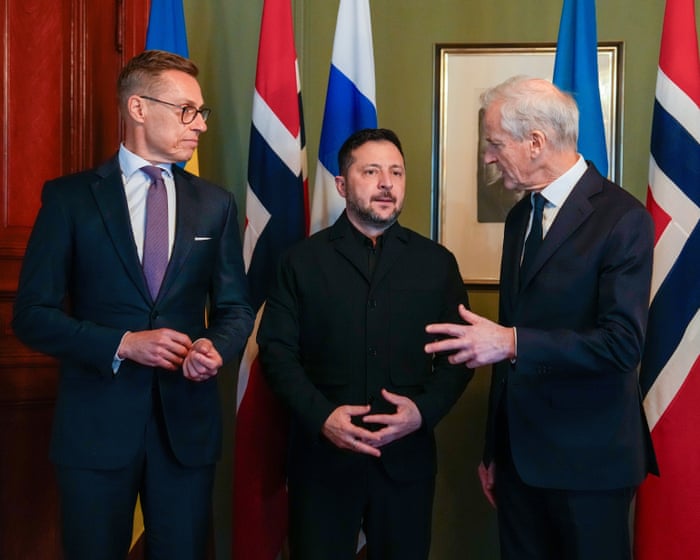
European Union leaders gave Ukrainian President Volodymyr Zelenskyy a warm welcome at a summit in Brussels last Friday, in sharp contrast to US President Donald Trump's latest criticism of him. European Council president António Costa said this was no time to withdraw support and called for more pressure on Russia. With Ukraine approaching its fifth winter since Russia's full-scale invasion, the question is how long European backing can hold.
Europe takes on more of the burden
According to the Ukraine Support Tracker run by Germany's Kiel Institut, Europe, including non-EU states such as the UK and Norway, spent €236bn on Ukraine between 2022 and April 2026, against €115bn from the US. The EU has adopted 21 rounds of sanctions on Russia, agreed last year to raise a €90bn loan for Ukraine, opened accession talks with Kyiv and sheltered 4.4 million Ukrainian refugees.
Limits to Europe's role
Europe cannot replace US military capabilities in areas such as intelligence. Zelenskyy has said the US deliberately throttled Starlink satellite internet access, which Ukraine uses for frontline drone operations and air defence; senior Trump administration figures deny this. He has also accused Washington of blocking European countries from passing their Patriot missile-interceptor stocks to Ukraine.
European funding is also uneven. Germany, at €54bn, is the second-largest donor, but the Kiel Institut calls its contribution sizeable but not exceptional given the size of its economy. Measured against national income, the Nordic and Baltic states give the most: Denmark spends 4.17% of GDP, Estonia 3.77%, Germany 1.49%, France 1.1%, Italy 1% and the UK 0.86%.
Election risk
National elections are due in Spain, France, Poland and Italy, with the far right expected to gain ground. Mujtaba Rahman of the Eurasia Group, a political risk consultancy, says the greatest danger is that European support fragments. French far-right leader Marine Le Pen has promised to end aid to Ukraine within six months of taking office and to cut France's contribution to the EU budget, which raises doubts over a proposed €100bn Ukraine fund in the 2028–34 budget.
European Commission president Ursula von der Leyen has confirmed Ukraine faces a €70bn funding gap in 2027. Jana Kobzová of the European Council on Foreign Relations expects a clear mechanism to be in place after an EU summit in December. Sanctions on Russia are now fixed for three years, removing the need for divisive six-monthly renewals.