European Commission demands answers on Russia's participation in Venice Biennale
The European Commission has sent a third letter to the Venice Biennale Foundation, seeking further clarifications on Russia's involvement in the art exhibition, while threatening to suspend €2 million in EU funding.
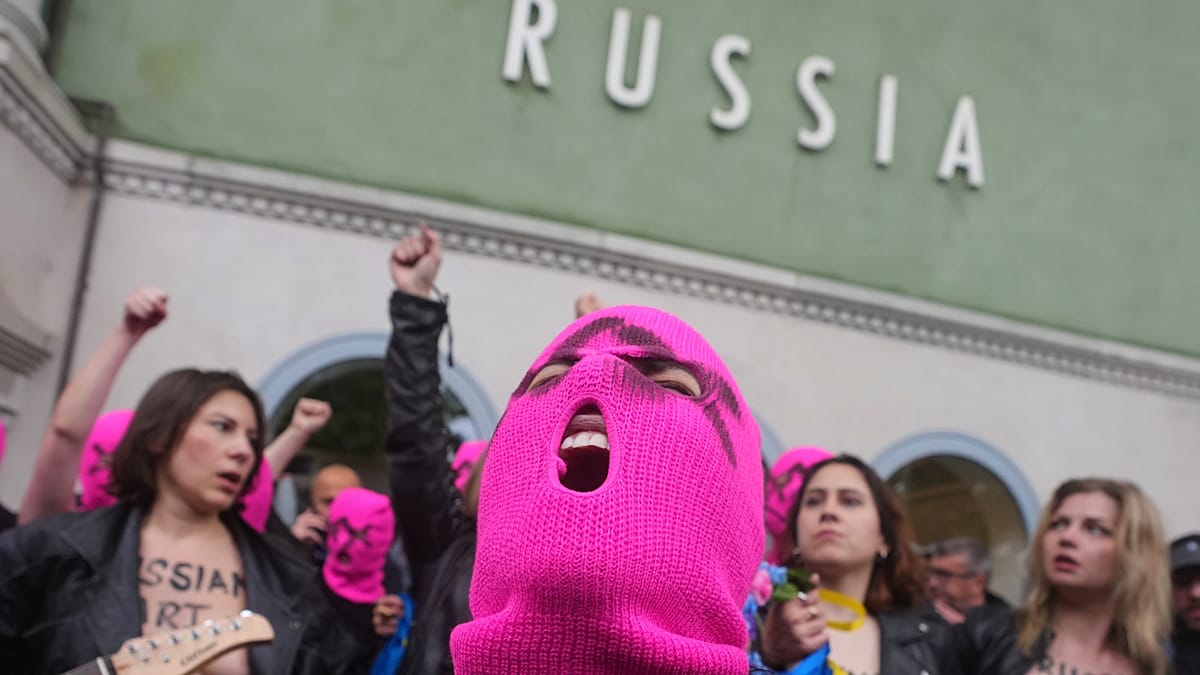
Third Letter and Tensions with Russia
The European Commission has dispatched a third official letter to the Venice Biennale Foundation, requesting additional explanations regarding Russia's participation in the ongoing international art exhibition, which runs until November 22. The announcement was made by European Commissioner for Technological Sovereignty, Security and Democracy, Henna Virkkunen, during a Q&A session in Brussels.
Russia's Ambassador to Italy, Alexey Paramonov, responded by stating that "it is deeply regrettable that the Italian leadership and the management of the Biennale have become targets of unacceptable and brutal dictates and pressure from the EU."
Need for Detailed Responses
According to EU sources, the latest letter reiterates issues already raised in the previous two, pressing the Biennale Foundation for more detailed answers on outstanding points not adequately addressed in prior responses.
In the second letter, Virkkunen emphasized that the EU "strongly condemns" the Biennale's decision to readmit Russian artists amid the country's ongoing invasion of Ukraine, now in its fifth year. She also warned that the European Commission would not hesitate to "suspend or withdraw" the €2 million EU funding allocated to the event for the 2025–2028 period, stressing that European taxpayer money would not be used to reward aggressors.
Brussels pointed to a possible breach of Article 5n of the EU Council Regulations, concerning "the provision of certain services" to the Russian government, as well as Article 5t, which prohibits accepting donations, economic benefits or support, including funding, directly or indirectly from the Kremlin.
Biennale's Position
The Biennale stated it would submit its counter-arguments within the prescribed timeframe but emphasized that it had complied with all national and international rules and regulations. The foundation also maintained that it had provided all necessary clarifications and detailed explanations to inspectors from the Ministry of Culture.
Spokespersons for the Biennale added that they had no authority to impose further sanctions on Russia. The head of the Russian Pavilion, Anastasia Karneeva, thanked the Biennale for supporting the participation of all countries, adding that art should remain independent.
Brussels says several issues raised in previous communications remain unresolved and has given the Foundation 30 days to reply.