European Commission proposes electricity market changes, with grid fees in focus
On 17 July 2026 the European Commission proposed amending the EU electricity market regulation and presented an Electrification Action Plan. The measures cover grid tariffs, smart meters and taxation, and aim to cut bills.
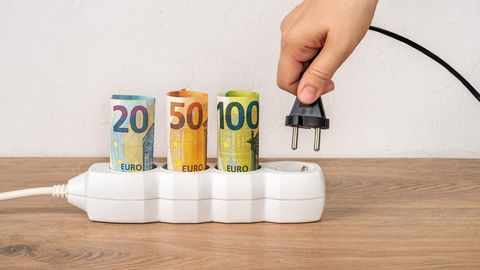
The European Commission, the EU's executive body, on 17 July 2026 proposed amending Regulation (EU) 2019/943 on the internal electricity market and at the same time presented an Electrification Action Plan. The aim is to reduce energy system costs and household electricity bills, use power grids more efficiently, and speed up digitalisation and electrification. The changes could also affect the bills of residents in Latvia.
Why grid fees matter
Grid fees are one of the key elements of the reform. The Commission wants to change how they are set so that transmission and distribution networks are used more efficiently, and both operators and users have a stronger incentive to make full use of existing infrastructure. According to Commission data, grid fees have in recent years made up 24–29% of EU household electricity bills on average.
In Latvia, too, the charge for electricity consumed is only one part of a bill, alongside distribution services, taxes and other charges. Part of the grid fee does not depend on consumption, so a fixed charge can remain even when usage is very low or zero.
Citing estimates by ACER, the EU Agency for the Cooperation of Energy Regulators, the proposal says annual investment in transmission and distribution grids could be two to three times higher than in previous decades, and total grid costs could rise by about 60% by 2050 compared with 2022.
Main measures
- Smarter grids. The Commission wants to speed up the rollout of smart meters, digital solutions and flexible consumption systems, reducing the need for costly grid expansion.
- Lower tax burden. Taxation of electricity should not be higher than that of natural gas. Member states would continue to set specific tax levels themselves.
- More flexible tariffs. Grid fees should be cost-reflective, transparent and non-discriminatory, and encourage consumption when the grid is less congested. This could mean lower grid fees outside peak hours.
Background
The proposals follow the electricity market reform adopted in June 2024 after the 2021–2022 energy crisis price spike, and the "AccelerateEU" initiative of April 2026. That initiative came after the European Council said the conflict in the Middle East directly affects energy prices in Europe and called for action.