European Commission: Ukraine Among Four EU Candidates Making Most Progress
On 4 November the European Commission published its annual enlargement package assessing ten EU candidate countries. Ukraine was placed among the four states with the greatest progress.
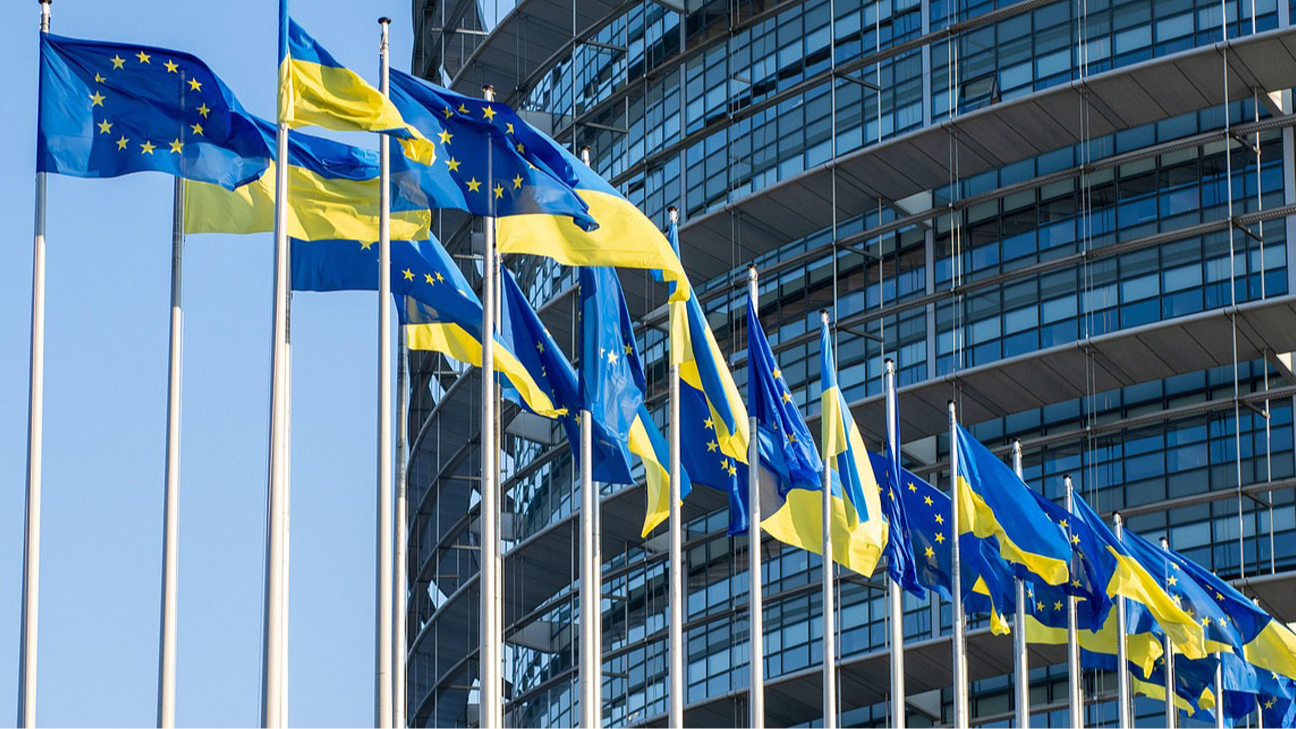
The European Commission, the European Union's executive body, published its annual enlargement package on 4 November. It assesses the progress of ten countries seeking EU membership. Ukraine is ranked among the four countries that have advanced the most, meaning its accession process is seen as actively moving forward, although Brussels still has demands for Kyiv.
Three groups of countries
Based on the findings, candidates can loosely be divided into three groups. Ukraine, Moldova, Montenegro and Albania show significant progress and are actively moving toward membership. In North Macedonia, Bosnia and Herzegovina and Kosovo, integration is effectively stagnating. Serbia, Georgia and Turkey show regression in some areas or prolonged blocking of accession talks.
Ukraine's results
The Commission notes good progress in public administration reform, economic competitiveness, digital transformation, financial services, customs, energy, agriculture, science and education. The document says Ukraine has kept its commitment to reforms and that its specialised anti-corruption bodies generally continue to work independently and effectively. At the same time, Brussels calls for faster judicial and anti-corruption reforms and for delivery on the commitments in the rule-of-law roadmap.
Other candidates
Montenegro remains the most advanced in formal negotiations: it has opened all 33 negotiating chapters, provisionally closed 21, and aims to finish talks by the end of 2026. Albania has opened all 33 chapters, provisionally closed four, and targets completion by the end of 2027. Moldova, like Ukraine, has opened four of six negotiating clusters; if it meets the requirements, it could provisionally conclude talks on 25 chapters in 2027.
North Macedonia remains blocked because an agreement to amend its constitution to include the Bulgarian community has not been fulfilled. In Bosnia and Herzegovina the first intergovernmental conference has still not taken place, although the political decision to open talks was made in March 2024. Kosovo is held back by a domestic political crisis and unnormalised relations with Serbia; five EU member states do not recognise its independence. Serbia has not opened new clusters for a long time, and after early parliamentary elections on 25 October the EU called for a new government to be formed. Georgia's accession process is effectively suspended over democratic concerns, while Turkey's talks have stagnated since 2018.