Europe's LGBTQ+ Rights Landscape: From Spain's Leadership to Russia's Repression
A cross-European comparison of LGBTQ+ protections shows Spain at the top, Germany with gaps, Italy and Hungary tightening restrictions, and Russia as the most repressive.
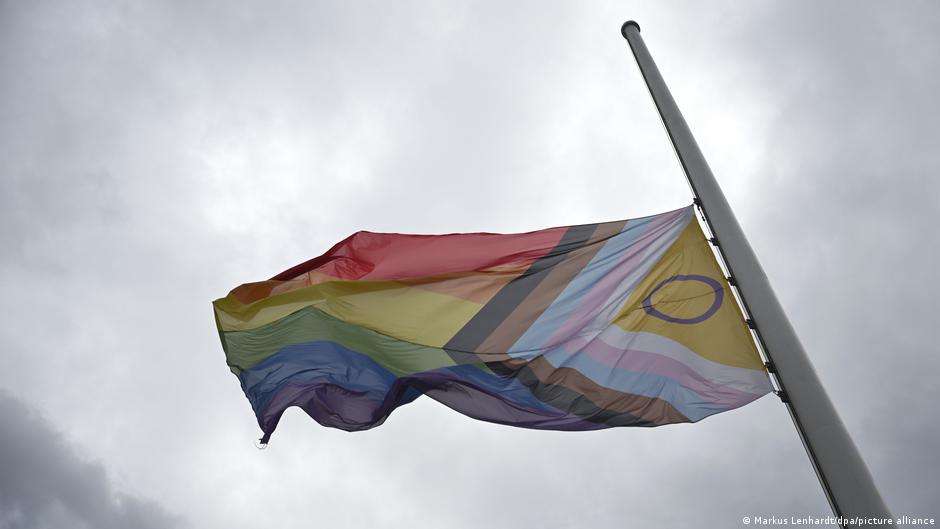
After a car attack during Berlin's Pride event, Germany's Social Democrats are renewing efforts to enshrine LGBTQ+ rights in the constitution. Article 3 of the Basic Law currently bans discrimination based on sex, race, religion, and other grounds, but omits gender identity and sexual orientation. Parentage laws also pose challenges for queer couples, and surrogacy remains illegal. Despite these gaps, ILGA ranks Germany seventh out of 49 European countries.
Spain remains a pioneer: same-sex marriage and adoption have been legal since 2005, and a 2023 self-determination law allows anyone 16 or older to change their legal gender by simple declaration. Strong anti-discrimination laws, an independent equality authority, and mandatory diversity plans for companies with over 50 employees further bolster protections. Similar progressive records exist in Malta, Iceland, Belgium, and Denmark.
Italy has seen a reversal under Prime Minister Giorgia Meloni's right-wing government. There is no marriage equality or adoption rights for queer couples, and a 2024 law makes surrogacy a "universal crime," punishable by prison. Italy also lacks national legislation explicitly criminalizing hate crimes based on sexual orientation or gender identity.
Hungary's new government under Peter Magyar (since May 2026) signals a potential shift after years of restrictive policies under Viktor Orban. The 2021 "child protection" law banning positive portrayals of homosexuality to minors was ruled incompatible with EU law, and the government plans revisions. Budapest Pride 2026 was peaceful and well-attended, but the queer community remains cautious.
Russia is the most repressive in Europe, according to ILGA. The Supreme Court designated the "LGBT movement" as extremist, leading to raids and prison sentences of up to 12 years. Any positive expression of LGBTQ+ identity is criminalized, and gender recognition is banned. Since the 2022 invasion of Ukraine, persecution has intensified, with many fleeing the country.
