EFSA study: wild boar movements could help curb African swine fever
The European Food Safety Authority (EFSA) has assessed the movements of wild boar tracked in 13 countries. The data show the animals usually stay in a small area, but occasionally travel far, which could spread African swine fever.
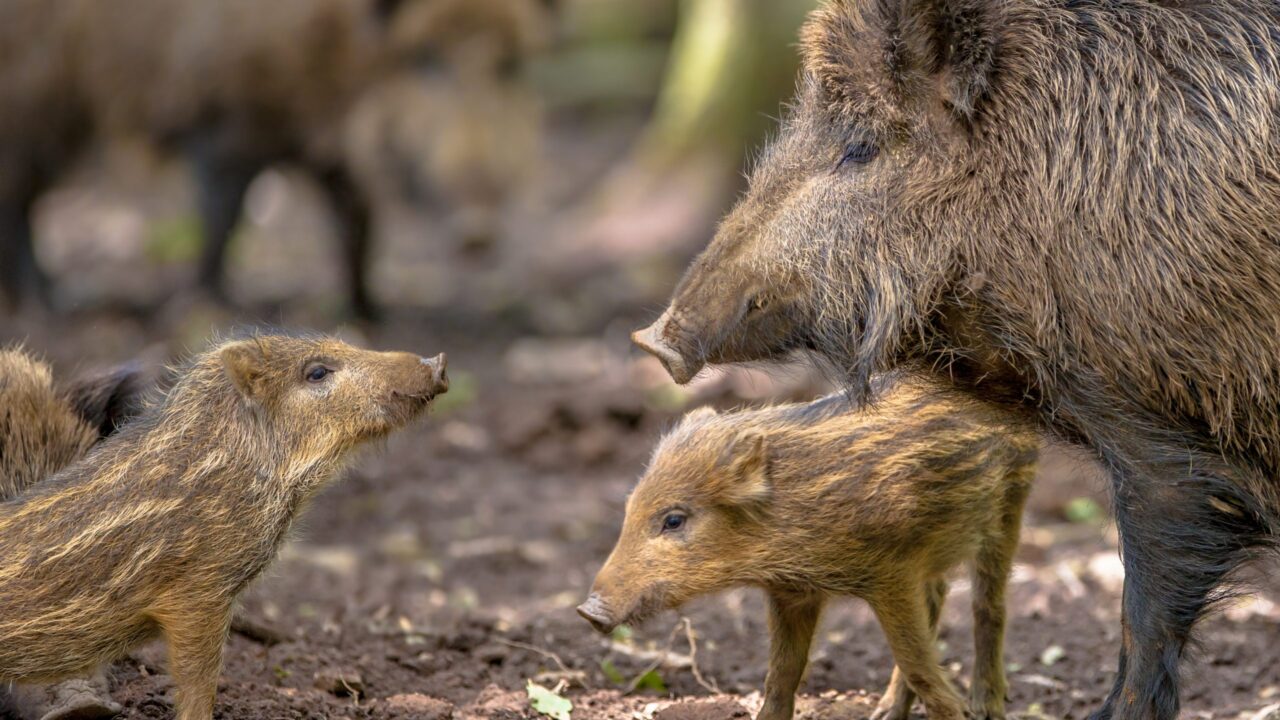
The European Food Safety Authority (EFSA), which provides scientific advice to EU policymakers, has published a report on wild boar movements across 13 European countries. The aim is to help limit the spread of African swine fever (ASF) to pig farms, since a better understanding of wild boar behaviour allows countries to target disease surveillance more effectively.
What the tracking data showed
EFSA scientists analysed GPS data from about 700 wild boar in ASF-free areas, split into 14-day periods. In about 22% of periods, wild boar whose home ranges included pig farms came within 50 metres of a farm at least once, averaging four approaches per 14-day period. Adult males did this more often, as did animals in environments combining woodland and farmland.
EFSA stresses that the results underline the importance of stronger farm biosecurity in areas where wild boar populations are affected by ASF, in order to prevent the virus entering farms through environmental contamination.
The average home range of wild boar was 2.4 km². This is consistent with earlier observations that ASF tends to spread gradually through neighbouring areas. On rare occasions, mostly among young males, journeys of up to 60 km were recorded, pointing to the potential for occasional long-range spread.
Factors influencing the spread of the disease
A separate analysis of surveillance data found that higher wild boar density was associated with greater spread of ASF into previously unaffected areas. Surveillance and control should therefore focus on areas with high densities at the edge of an advancing outbreak. In areas with higher minimum temperatures, fewer wild boar carcasses tested positive and the disease persisted for a shorter time.
EFSA also highlights the importance of finding carcasses. Trained detection dogs make searches more effective. Some EU member states also use drones, although their effectiveness is strongly influenced by vegetation cover, weather, light conditions and operational limitations. Visually assessing the stage of decomposition is the most widely used method of estimating how long an animal has been dead.