Economist: Russia losing around $100 billion a year as oil sector collapses
An independent Russian economist estimates the country's oil production has fallen by nearly three million barrels a day since the full-scale invasion, theoretically costing around $100 billion annually, with Ukrainian strikes on refineries deepening the crisis.
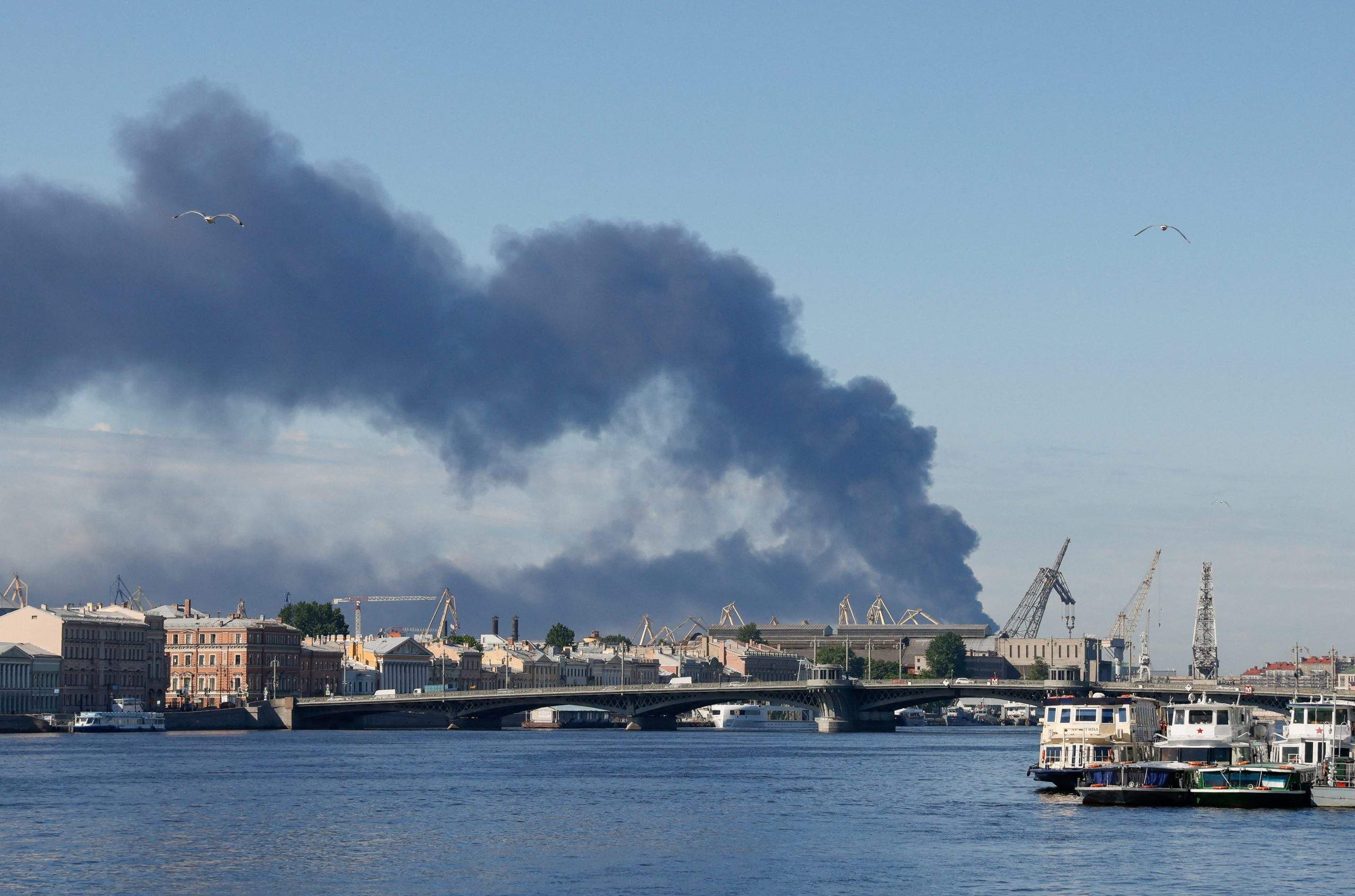
Russia's oil sector has seen a sharp decline in recent months, worsened by regular Ukrainian strikes on refineries. Independent Russian economist Vyacheslav Shiryaev estimates that, compared to levels before the full-scale invasion of Ukraine, the country is now losing nearly three million barrels of oil production potential per day — theoretically equivalent to around $100 billion a year at current prices. This is a theoretical calculation of forgone revenue potential, not a confirmed actual loss to Russia's budget.
Production keeps falling
International Energy Agency data shows Russian oil production dropped to 8.36 million barrels per day in August — down from both July and January levels. The IEA has also lowered its 2026 production forecast for Russia to an average of 8.7 million barrels daily. OPEC figures also show a decline, though its estimate is somewhat higher, putting Russia's August output at 8.718 million barrels per day — more than a million barrels below Russia's OPEC+ quota. Discrepancies between the two bodies stem from Russia no longer publishing full official production data since spring 2023. Before the war, in February 2022, output reached roughly 11 million barrels a day, though that figure included gas condensate, making direct comparison imperfect.
Refineries hit hard
An even steeper decline is visible in refining. In August alone, Ukrainian drones struck Russian refineries at least 21 times, hitting four of the country's ten largest plants. Refining volume fell to around 3.8 million barrels per day — well below the usual summer level of 5.3-5.5 million and the lowest in over 20 years. Fuel output for the domestic market also dropped, with gasoline production down nearly a fifth and diesel output down more than 20% year-on-year in early August. Strikes continued into September, including one that forced a halt at the Ryazan refinery, a key fuel supplier for the Moscow region.
Russia revises forecasts downward
A draft government document seen by Reuters shows Moscow has cut its 2026 oil production forecast to the lowest level in 17 years, along with reduced fuel export projections for this year and next. Exports, however, remain substantial — IEA data shows Russia's combined crude and oil product exports averaged about 6.44 million barrels per day in August.