Exeter University approves training deal with Saudi Arabia for military officers
The University of Exeter has approved a formal partnership to train senior Saudi military officers and officials at Riyadh's National Defense University, drawing criticism amid the school's own plans to cut 150 humanities jobs.
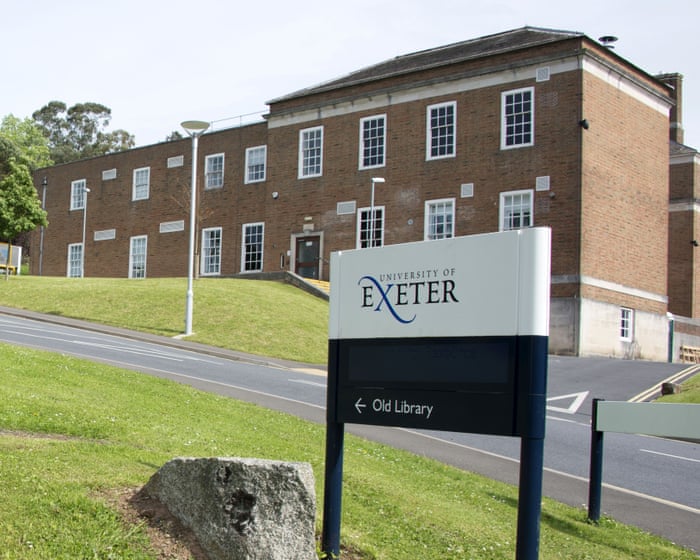
The University of Exeter has approved a "formal partnership" with Saudi Arabia to train senior military officers and government officials, despite long-standing concerns about the kingdom's human rights record.
Under the deal, which could generate millions of pounds for the Russell Group university, Exeter academics will deliver a master's degree in applied security and strategy to a cohort at the National Defense University (NDU) in Riyadh. The programme will form the academic component of the NDU's global strategy and strategic leadership course, starting in the 2026-27 academic year, with about 20 participants annually over three years. Until two years ago, the NDU was known as the Saudi Armed Forces Command and Staff College.
The partnership has emerged at a time when Exeter faces criticism from writers, broadcasters, academics and alumni over plans to cut 150 jobs, mostly in the humanities, arts and social sciences — subjects for which the university is highly regarded. The Exeter branch of the University and College Union accused management of pursuing "dirty money".
The deal was not widely publicised. It was approved by the university council in February and endorsed by the senate the following month, with council minutes marking the NDU partnership as "strictly confidential and commercial in confidence".
Similar concerns arose earlier this year over proposals from Cambridge's Judge Business School to provide leadership and innovation management training to Saudi Arabia's defence ministry.
Last month, the UK government announced a new defence universities alliance, with Exeter among 35 founding members, as part of a £182m investment to strengthen defence research and skills.
An Exeter spokesperson said the master's programme has been taught since 2012, with students including UK military personnel and Foreign Office-sponsored scholars, and that partnerships are assessed on academic and ethical grounds separately from budget planning. The UCU spokesperson responded that universities should focus on protecting free speech and human rights rather than pursuing such funding.