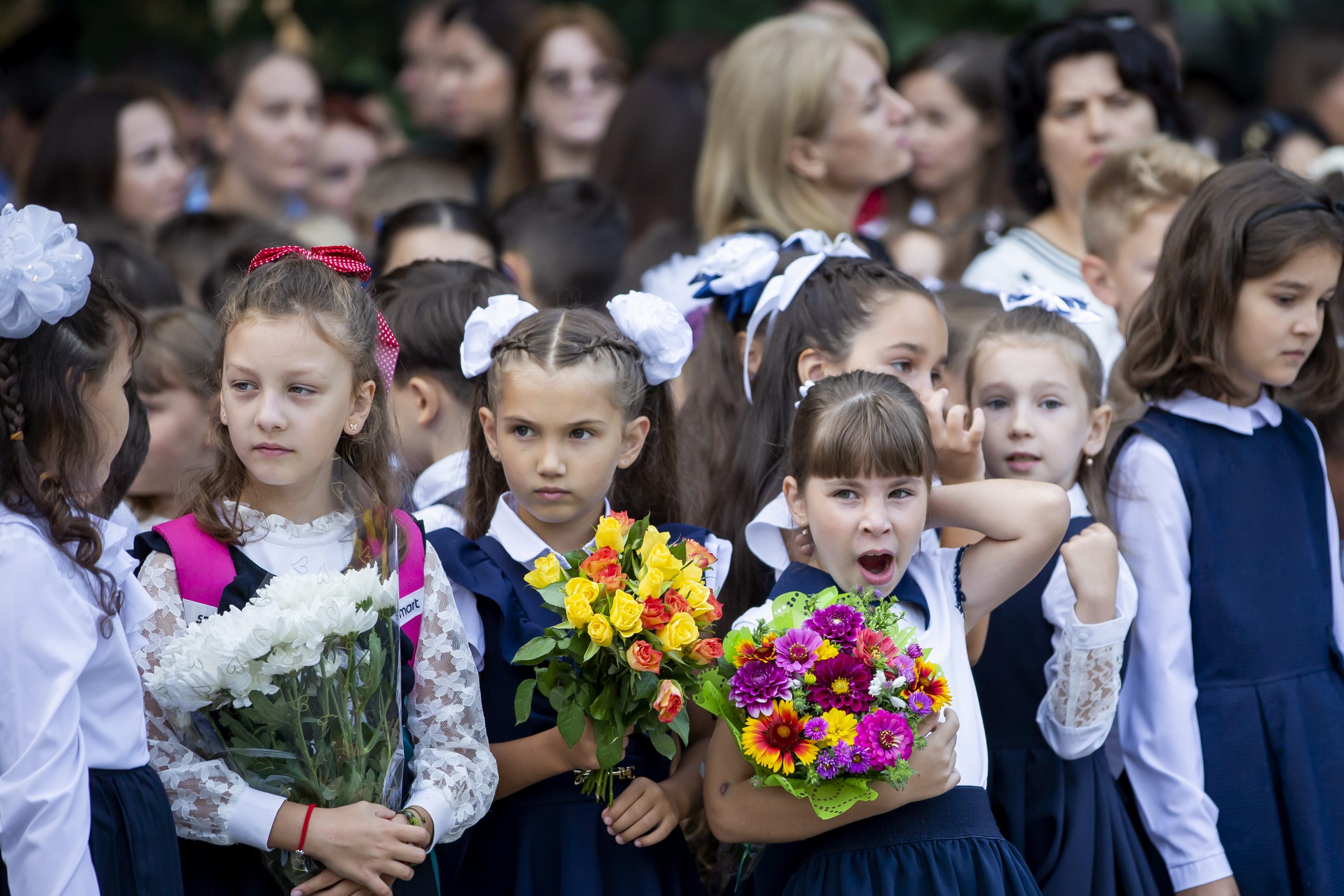
Expert: Today's schoolbags come packed with extra practical features
A retail expert explains how to choose an ergonomic, functional schoolbag for children, depending on their age and back health needs.

Moonika Küttim, senior purchasing manager at Tallinn's Kaubamaja department store, says schoolbags have evolved significantly, now offering features such as extendable back panels, expandable capacity, and rain covers that double as reflectors.
According to Küttim, the right choice depends heavily on the child's age. For elementary school children, a bag should stand upright on its own, be sturdy, and allow the child to see everything inside immediately upon opening it.
Ergonomics matter most
Küttim stresses that the back panel needs to be supported and padded. Some bags even include a built-in ruler in the back panel that helps parents adjust the back support to match the child's height. Extra straps at the chest and hips are also important, as they help distribute weight and prevent the bag from tilting backward. Padding on the shoulder straps matters too, since unpadded straps can dig into a child's shoulders — especially since children often overload their bags with extra items.
Parents should remind children to fasten all the straps properly and avoid carrying the bag on just one shoulder, as strap length needs to be adjusted individually for each child.
Added functionality
Some bags feature side zippers that expand their capacity, adding as much as five liters of extra space, Küttim said. Others come with a rain cover that also functions as a reflector for visibility.
Küttim recommends bringing the child along when buying a schoolbag, since children's backs vary in width and kids also want a say in the design. She suggests testing the bag in-store, including loading it with items to check its real-world weight.
Padded back support remains important for middle schoolers as well, and the back material should be breathable to prevent sweating. Küttim also showed a bag made of two zip-together sections, allowing a child to leave the heavier part at home when heading to after-school activities.