Rising 'proteinmaxxing' trend could drive up baby formula costs, experts say
Experts warn that the growing popularity of high-protein diets and GLP-1 drugs is driving up whey protein prices, which could lead to higher infant formula costs.
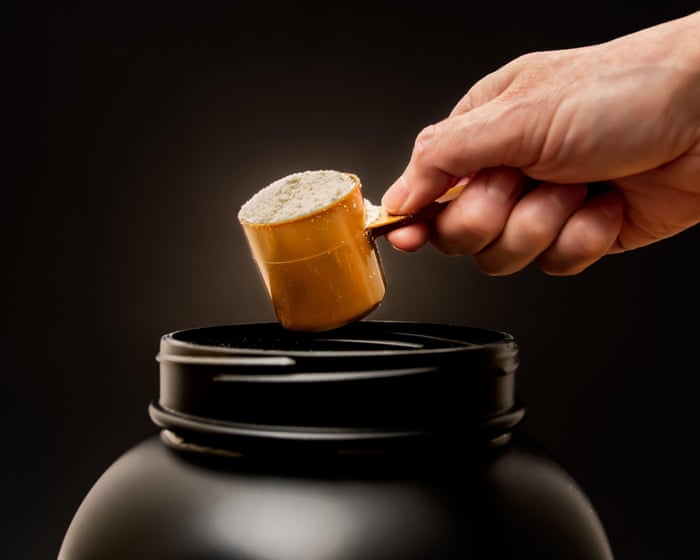
The trend known as "proteinmaxxing," where consumers aim to consume maximum amounts of protein, may have an unintended side effect: higher prices for infant formula. According to experts, whey protein—a crucial component in formula—has seen a surge in demand recently, partly because health professionals emphasize protein benefits and partly because users of GLP-1 weight-loss medications consume whey products to maintain muscle mass while shedding pounds.
Market intelligence platform Expana reported that the price of whey protein concentrate 80, which contains 80% pure protein, jumped from €11,733 per metric tonne in July 2025 to €25,875 now. Since whey is used in infant formula to mimic breast milk and improve digestibility, manufacturers face rising costs. Official data from the UK's Office for National Statistics show the average price of a 750g box of formula rose 4.8% over the past year, from £11.55 to £12.11.
Dr Vicky Sibson, director of the First Steps Nutrition Trust, said that because whey is a major ingredient, significant cost increases risk raising formula prices. She pointed to a Competition and Markets Authority report showing that manufacturers have historically passed on input cost increases to consumers. She described the situation as "hugely concerning" due to evidence that many families cannot afford formula and may resort to harmful practices like diluting feeds. Sibson noted that the CMA had suggested a mandatory price or profit cap, citing Greece as a precedent, and stressed that companies' profit margins—reported at 50%–75%—should not come at the expense of mothers and babies.
Jose Saiz, who covers European dairy at Expana, said higher ingredient costs have already pushed up consumer prices across many dairy and nutrition products, though the impact varies by market and brand. He explained that some formula makers are reformulating products using D90 demineralised whey powder, which has 90% of minerals removed, to achieve the desired whey-to-casein ratio. Increased demand for D90 has also driven its price up. Saiz added that manufacturers report current whey prices are economically unsustainable at existing retail levels, and further price increases may be necessary unless raw material costs ease.
/nginx/o/2024/10/01/16390271t1h851b.jpg)