Experts: Food Prices in Latvia Likely to Start Rising in Coming Months
Although food is currently getting cheaper in Latvia, experts expect prices to rise within about six months due to costlier fuel, gas and electricity. Fertiliser prices and weaker winter crop sowing add further risks.
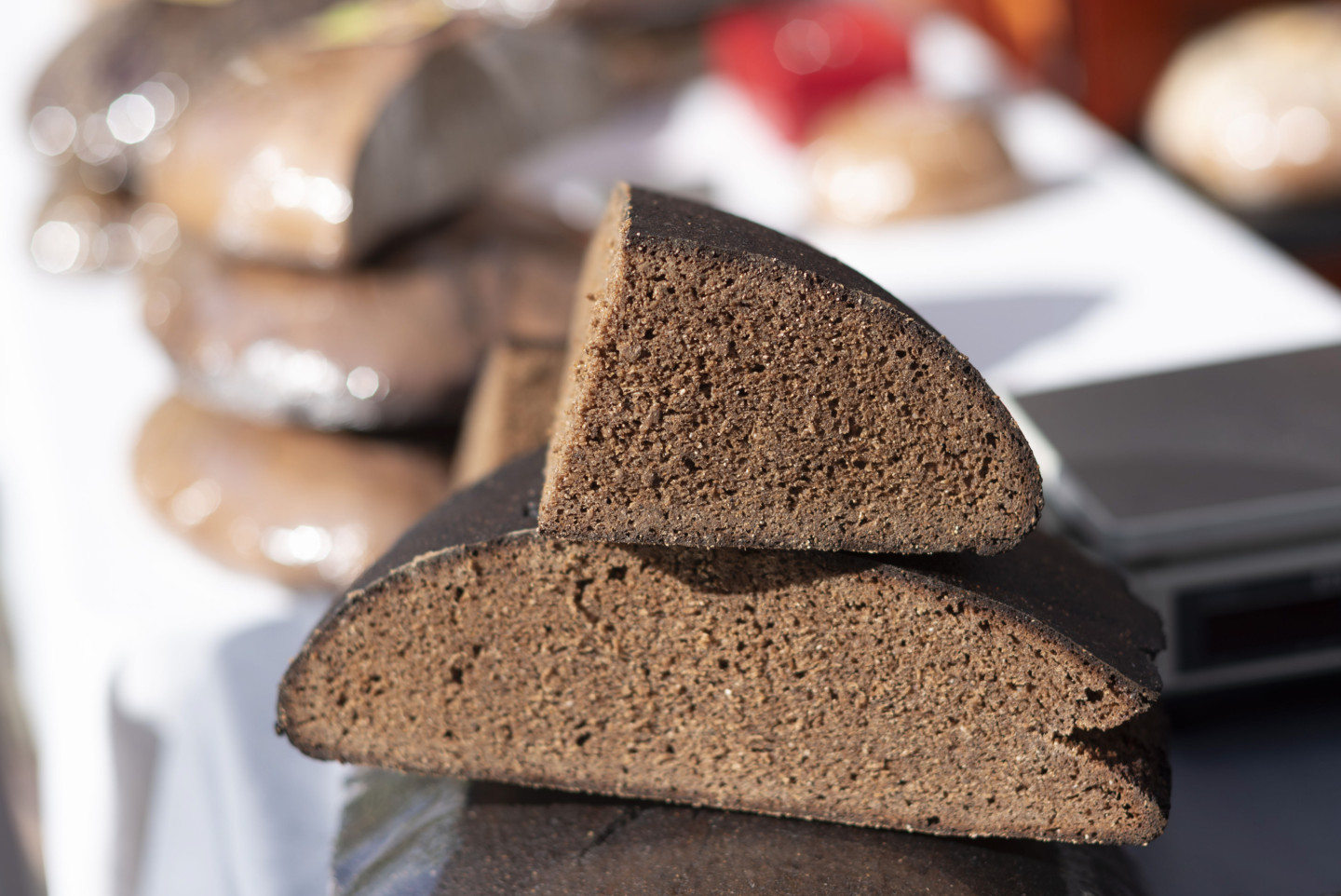
Food prices in Latvian shops have not risen recently, but industry experts consulted by the daily "Neatkarīgā" forecast that they could start climbing in the coming months. The reasons are more expensive fuel, natural gas and electricity, along with rising raw material prices on world markets.
What the data show
Data from Latvia's Central Statistical Bureau show that in September prices of food and non-alcoholic beverages were 4.8% lower than a year earlier. Meanwhile, the food commodity price index of the UN Food and Agriculture Organization has risen 5.8% over the year. Diesel in Latvia averaged 2.08 euros per litre in September, 39.1% more than a year earlier. The average exchange price of electricity in October reached 112.56 euros per megawatt-hour. According to Eurostat estimates, annual inflation in October was 4% in the eurozone and 3% in Latvia.
Price changes in shops can appear with a delay of several months, because producers and retailers have supply contracts agreed in advance.
Experts: an increase is likely
Ingūna Gulbe, a leading researcher at the Institute of Agricultural Resources and Economics, expects food to become more expensive across practically all product groups within six months, although the Christmas discount period may delay this. Henriks Danusēvičs, president of the Latvian Traders Association, notes that prices are currently falling in almost all groups except bread, but companies still have to recoup the costs of the earlier fuel price rise.
Maira Dzelzkalēja-Burmistre, deputy chair of the board of the Farmers' Saeima association, links possible bread price increases to processors' energy costs, since grain prices are low. Milk purchase prices have been low for about eight months, but a rise is forecast, which could affect butter and curd cheese.
Risks for next year's harvest
In some regions winter crops have been sown on only 50–60% of the planned area, so next year's grain harvest could be smaller. Dzelzkalēja-Burmistre also considers a fertiliser shortage in Europe possible in spring. Both experts are critical of the EU's Carbon Border Adjustment Mechanism (CBAM), which since the start of 2026 also covers certain mineral fertiliser imports.
What could restrain prices
Competition could limit increases, including the EU trade agreement with the South American bloc Mercosur, provisionally applied since 1 May, as well as consumers' purchasing power. Gulbe does not forecast a catastrophe but sees no grounds for great optimism.