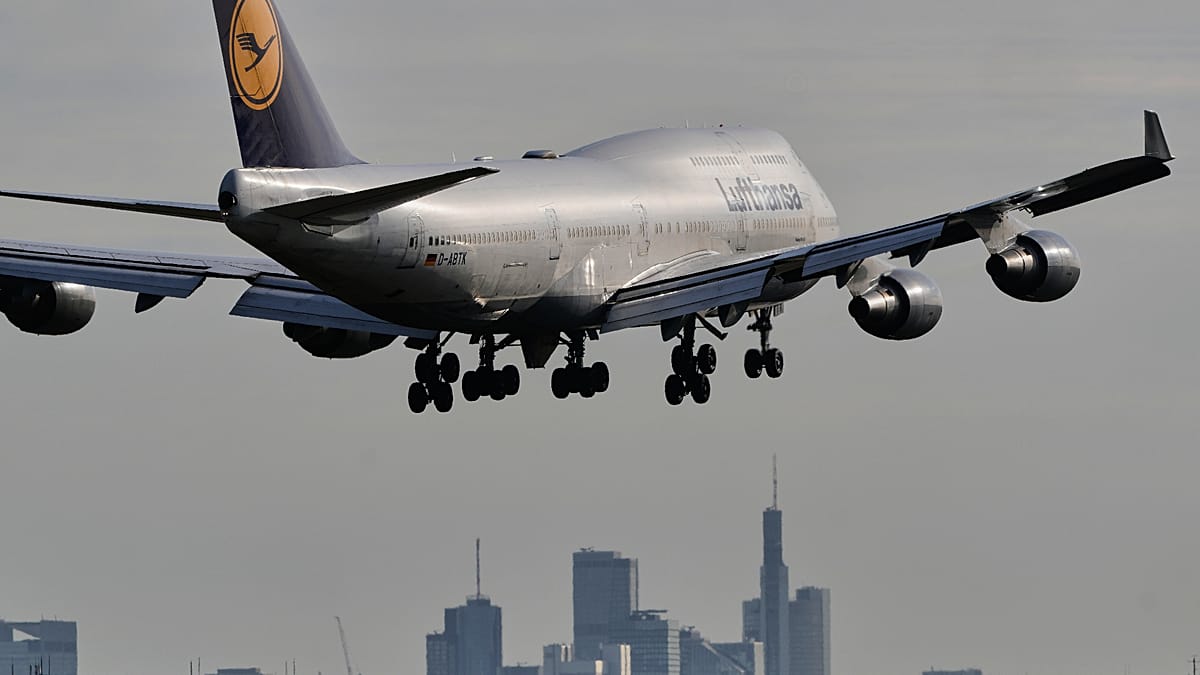
Expert warns Europe may face an energy crisis this winter that could develop faster than in 2022
Roberts Samtiņš, head of the "AJ Power" group of companies, warns that Europe and the Baltics could face a serious energy crisis this winter due to five simultaneous factors. There is no physical shortage of gas or electricity for now, but the risk of price increases is high.
Europe and the Baltic states could face a serious energy crisis this winter, one that might develop even faster than in 2022, Roberts Samtiņš, head of the energy company group "AJ Power", told the news agency LETA. He points to geopolitical tension, conditions in energy markets and weather forecasts. It matters because the gas price also influences electricity prices, affecting households and businesses alike.
Five price factors
Samtiņš names five factors acting at once. First, European Union gas storage sites were about 75% full at the end of October, 15 percentage points below the five-year average and the lowest level since records began in 2011. In Germany, storage is about 62% full.
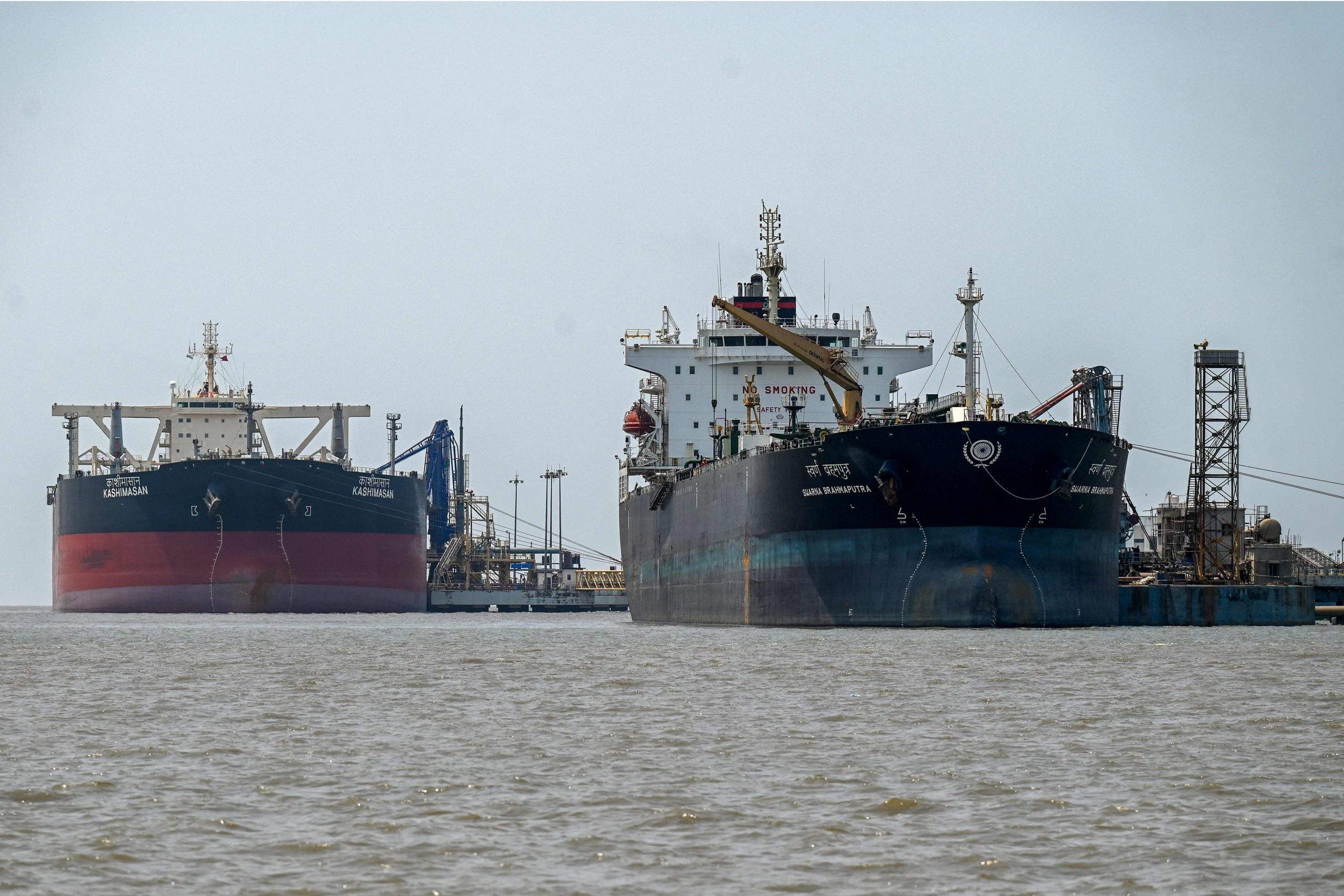
Second, the Strait of Hormuz remains effectively closed to liquefied natural gas (LNG) tankers. Before the war with Iran, roughly 93 LNG cargoes a month were sent from Qatar and the United Arab Emirates; in September and October there were only 27 a month.
Third, Europe competes with Asia, including Japan, South Korea and China, for each LNG cargo. Fourth, forecasts point to a possible very early collapse of the polar vortex, which could raise the risk of cold, windless spells from mid-November. Fifth, the risk of provocations against Baltic energy infrastructure is growing.
Market and Latvia
The natural gas price on the TTF exchange rose in two weeks from about 88 to 103 euros per megawatt-hour, the highest level in nearly four years. In 2022, the gas price in Germany reached 340 euros and electricity 670 euros per megawatt-hour. Current futures prices are well below those peaks, so companies still have a chance to reduce price risks.
On 30 October, the Inčukalns storage facility held 12.46 terawatt-hours of gas, 15% less than a year earlier. The Klaipėda and Inkoo LNG terminals are operating steadily. Samtiņš notes that price rises are not guaranteed: if LNG traffic through Hormuz returns to normal or the winter is warm and windy, prices may fall.