Expert: Russia strikes civilian infrastructure amid lack of front-line gains
An analyst says Russia's intensified long-range strikes on Ukraine's civilian infrastructure reflect its failure to advance on the front line rather than military strength. The expert believes the strategy won't break Ukrainian resolve, though it also serves as pressure on the West.
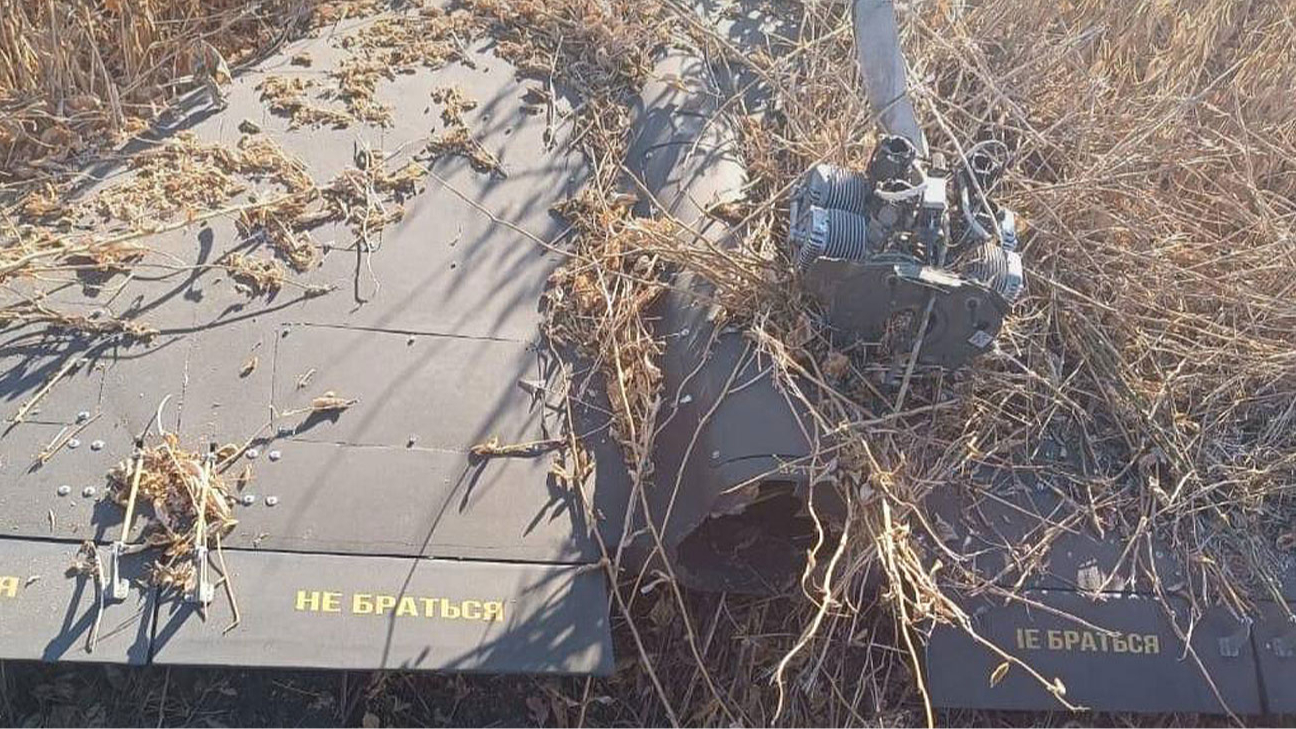
Russia has recently shifted to intensified long-range strikes against Ukraine's civilian infrastructure, a move observers say stems from the fact that Russian forces have failed to make gains on the front line — in fact, Ukrainian forces are in some areas retaking territory. Strikes on bridges, reservoirs and power plants are considered war crimes, and the apparent goal is to render Ukrainian cities uninhabitable. Experts, however, doubt this can break Ukrainians' resolve to keep resisting.
Alongside the strikes on cities, Russia is also ramping up pressure on the West. Foreign embassies in Kyiv have repeatedly been warned of potential danger, though none have shown any intention of leaving — a move analysts characterize as propaganda pressure. Russia has also stepped up rhetoric about targeting weapons factories supplying Ukraine and the possible use of nuclear weapons.
Western response
Despite the escalating threats, Western solidarity with Ukraine currently appears to remain solid, the expert notes — pointing to German Chancellor Friedrich Merz's visit to Ukraine earlier this week, accompanied by an economic delegation and business representatives. NATO Secretary General Mark Rutte, for his part, has stressed that the alliance is defensive in nature and ready to defend every inch of its territory under Article 5, while dismissing Russian claims about threats to Kaliningrad as absurd.
The analysis also addressed Putin's recent speech at the Valdai Forum, where he claimed Russia gained 1,300 square kilometers of territory in September — a figure analysts at the Institute for the Study of War have called wildly inconsistent with actual front-line developments. The expert notes the speech was aimed primarily at a domestic Russian audience and contained little new substance, aside from threats regarding a possible blockade of Kaliningrad and renewed nuclear rhetoric.
Regarding prospects for peace talks, the expert is skeptical, describing the issue as essentially dead for now, even though meetings and statements on the topic will likely continue. Putin reportedly took a harsher tone toward Europe while being more measured toward the United States, expressing interest in negotiations and raising the question of Ukrainian neutrality.