Expert: Russia's election system broke down gradually, but voting can still expose fraud
A veteran researcher of Russian elections explains how systemic fraud in State Duma votes developed over years, while arguing that participating in elections still offers a way to prove violations.

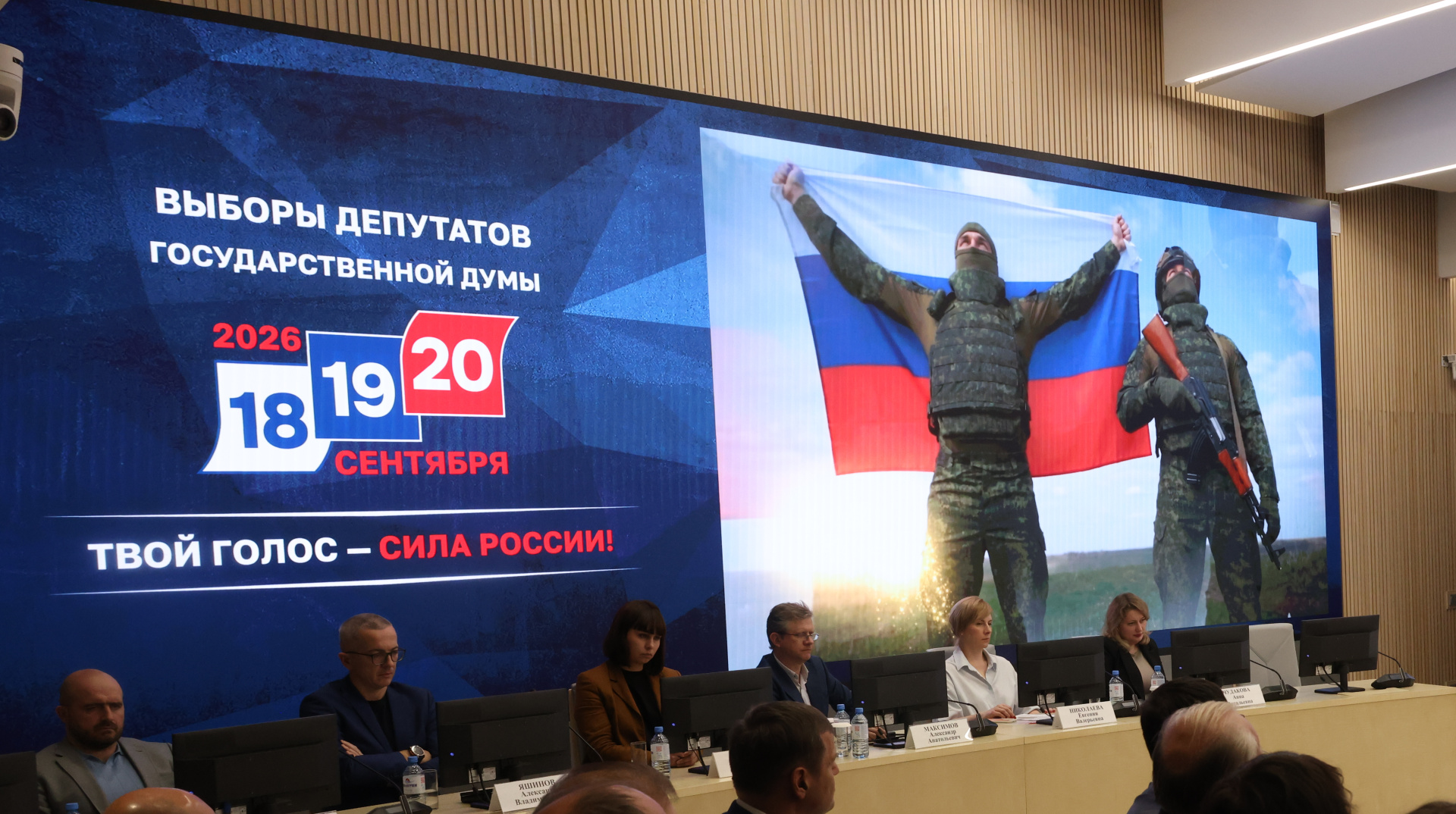
Russians are voting for State Duma members from September 18 to 20. Meduza spoke with a veteran researcher of Russian elections, whose identity is withheld for security reasons, about the legitimacy of the system and whether fraud can still be exposed.
According to the expert, violations occur at every level, from precinct commissions up to federal law. In recent years, Russia eliminated advisory-status commission members, introduced multiday voting that makes observation harder, and since 2021 has cut public access to video feeds from polling stations.
Elections weren't always this dishonest
The expert notes that the 2000 election results were counted relatively honestly, but conditions worsened year by year. By 2004, observers were documenting fabrication of results by "calculator," and from 2007 onward vote distributions took on a telltale "comet" shape indicating ballot stuffing.
Dmitry Medvedev's election was long considered the most dishonest, a record later broken by the vote on constitutional amendments, where an estimated 20 million "yes" votes were added. Putin's 2024 election set a new record with roughly 22 million excess votes. The expert believes this year's election could break that record again, since the Yabloko party — which had been polling in double digits — was removed from the ballot.
Why voting still matters
The most common form of fraud is ballot stuffing, made easier by multiday voting. Still, the expert argues that while the overall election outcome is predetermined, individual votes can serve as evidence of wrongdoing if observers act correctly and request video evidence under existing rules. Additionally, the more opposition-minded voters show up, the harder it becomes to falsify results.