Would Putin dare attack NATO? Analyst assesses Russia's possible scenarios
A new US intelligence assessment suggests Russia could test NATO's resolve in coming years through cyberattacks and deniable operations, while a direct land invasion of alliance territory is considered unlikely but possible by 2029.
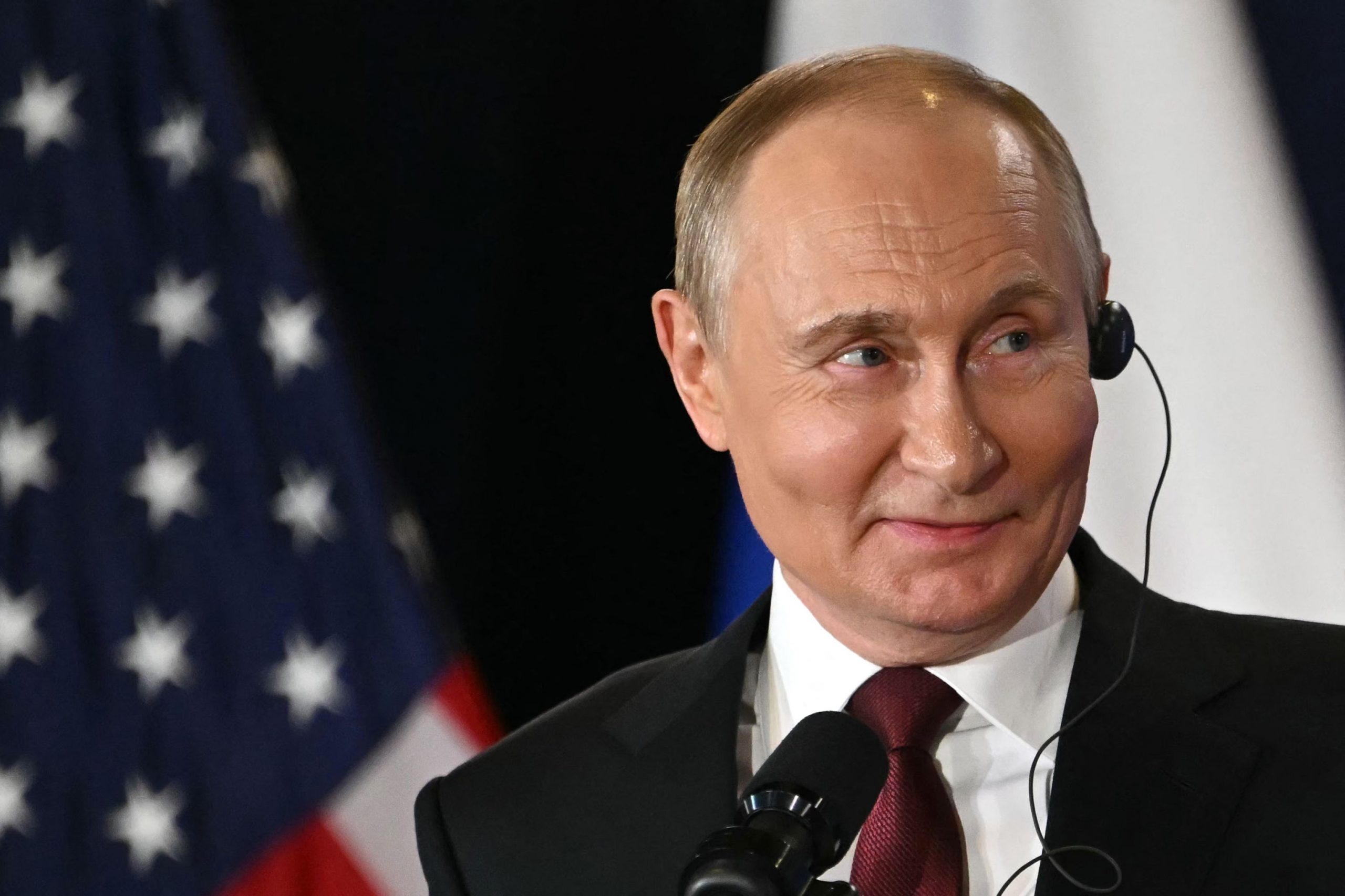
Andrew Latham, senior fellow at Washington's Institute for Peace and Diplomacy, analyzed a new US intelligence assessment for the outlet 19FortyFive, following earlier reporting by The Wall Street Journal. The assessment examines several scenarios through which Russian President Vladimir Putin could test NATO's response and unity in the coming years.
Among the scenarios are cyberattacks and actions by forces loosely tied to Russia, allowing Moscow to deny involvement. The most extreme scenario involves a limited ground invasion of NATO's eastern flank sometime between this autumn and 2029. Latham stresses this is considered unlikely, though its probability may grow over time. The intelligence document reportedly contains no specific percentage estimates, making the assessment more of a cautious forecast than a precise probability.
Link to recent events
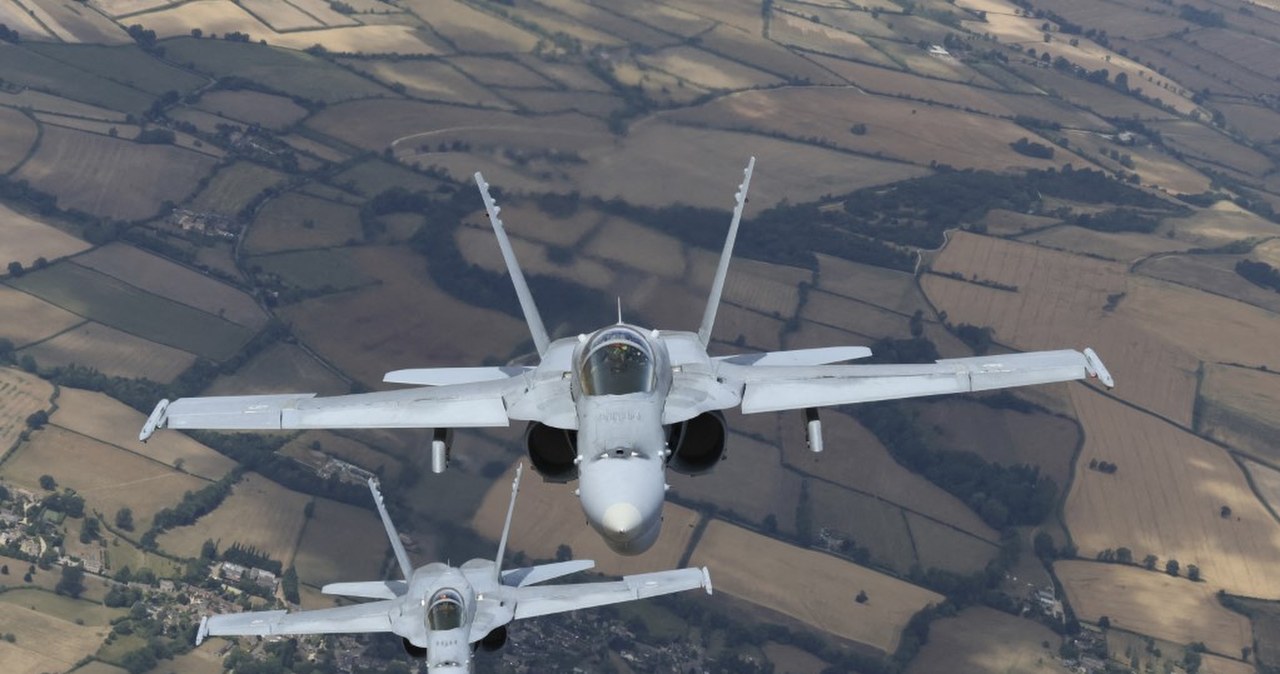
Latham notes the assessment was published about a week after a Russian Kh-101 cruise missile fell in a field near Tarnava-Kolonia in eastern Poland. Following the incident, Poland scrambled F-16 fighter jets, and prosecutors in Lublin quickly identified missile fragments. Lithuanian Foreign Minister Kęstutis Budrys told LRT television that NATO's political response to the incident could have been firmer. He also pointed to NATO's Eastern Sentry and Baltic Sentry missions, which he said have reduced airspace violations, drone activity and incidents targeting undersea infrastructure in the Baltic Sea.
Would an invasion even benefit Russia?
German Chief of Defence General Carsten Breuer stated in June that all 32 NATO members now agree Russia could gain the capability to invade an alliance member by 2029. Latham, however, distinguishes between capability and intent. Lithuanian Defence Minister Dovilė Šakalienė's counterpart, Raimundas Karoblis... [context: Lithuanian Defence Minister Robertas Kaunas] said in July that the Kremlin may need a new victory given the stalemate at the front and fuel shortages in Russia.
According to Latham, the key question is whether Moscow believes NATO's response would be sufficiently convincing. He cites two reasons a direct invasion remains irrational for now: crossing a border would eliminate Russia's ability to deny responsibility, and NATO currently keeps the potential cost of retaliation high enough to deter such a move.
/nginx/o/2026/09/27/17941411t1h0e1b.jpg)