Elenger: Estonia faces no gas shortage this winter, but heating bills may jump 50-60%
Elenger Grupp AS board member Raul Kotov says Estonia faces no gas shortage this winter, but price remains the main energy risk, with gas heating bills potentially rising 50-60%.
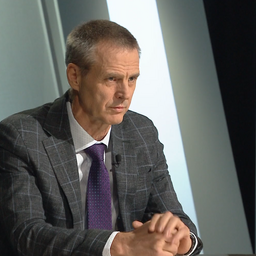
Raul Kotov, a board member of Elenger Grupp AS, said on the program "Interview of the Week" that Estonia faces no risk of natural gas shortage this winter, adding that the main energy risk for the country is not supply but price.
According to Kotov, the current situation with gas supply to Estonia remains stable. The company plans to deliver five LNG carriers to the region this winter, which he says is sufficient to fulfill existing contracts. He stressed that the company views the situation calmly because there is enough gas.
Storage levels and alternative supply routes
European gas storage facilities are roughly 70% full, while the Inčukalns storage facility in neighboring Latvia is filled to less than 50%. However, Kotov noted that storage fill levels alone are not the sole indicator of regional energy security — besides the Latvian storage facility, the Baltic states also receive gas via LNG terminals in Lithuania and Finland.
Asked whether Estonia would have enough gas in case of a cold winter, Kotov said he does not expect supply problems, since the state and other suppliers have signed contracts. The only open question, he said, is what the price will be.
Price outlook remains uncertain
The price situation is far less predictable. Gas in Europe currently costs around 70-75 euros per megawatt-hour, noticeably more expensive than a year ago. Kotov named the situation around the Strait of Hormuz and competition for gas supplies with other countries as factors driving prices up. A significant price decline, he said, would depend partly on how the war between Iran and the US develops, and partly on new LNG production capacity coming online — many new LNG plants are currently under construction and are expected to enter the market within the next three to five years, which would affect prices.
Kotov's baseline scenario for the coming heating season assumes prices will stay at current levels, with hope for a subsequent decrease.
Commenting on possible state compensation for network fees in case of a sharp rise in energy prices, Kotov said such a measure could help consumers, but support should primarily be directed at those who genuinely need it rather than extended automatically to everyone.
The most noticeable consequence for consumers is likely to be rising heating bills for those using gas heating. If current gas prices and consumption levels remain unchanged, heating bills could be around 50-60% higher. Kotov emphasized, however, that the exact outcome depends on whether the winter turns out to be harsh or mild.