EU 21st Sanctions Package Against Russia Adopted with Exemptions and Weakened Measures
The European Union approved the 21st sanctions package against Russia on July 23, but the initially ambitious proposals were significantly watered down due to objections from several member states.
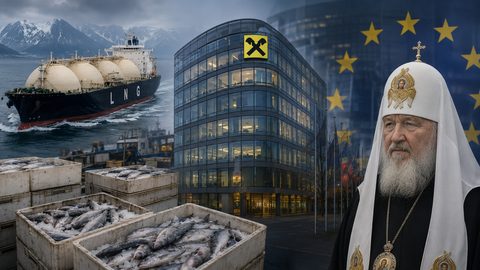
Despite hopes that decision-making on Russia sanctions would become smoother after Viktor Orbán's replacement, the adoption of the 21st sanctions package proved otherwise. Officially adopted on July 23, the package faced open opposition from several countries that defended their banks, shipping companies, fish processors, and ties with the Russian Orthodox Church.
The European Commission tabled the proposal on June 9, which diplomats initially described as one of the most ambitious sanctions packages. However, after weeks of negotiations, several measures were removed or substantially softened. Exceptions were granted to specific countries and companies to protect their economic interests.
Although Hungary's new leader no longer blocked the process, other member states openly backed their industries. As a result, the package lost some of its original impact, but it was nonetheless adopted to continue pressure on Russia over its aggression in Ukraine.
/nginx/o/2026/10/02/17950121t1haa01.jpg)
