EU leaders sign joint statement in support of Ukraine
European Union leaders approved a joint statement urging Russia to agree to a ceasefire and begin peace talks, while also starting discussions on the next EU budget. The agreement was made possible after Hungary's new prime minister took office.
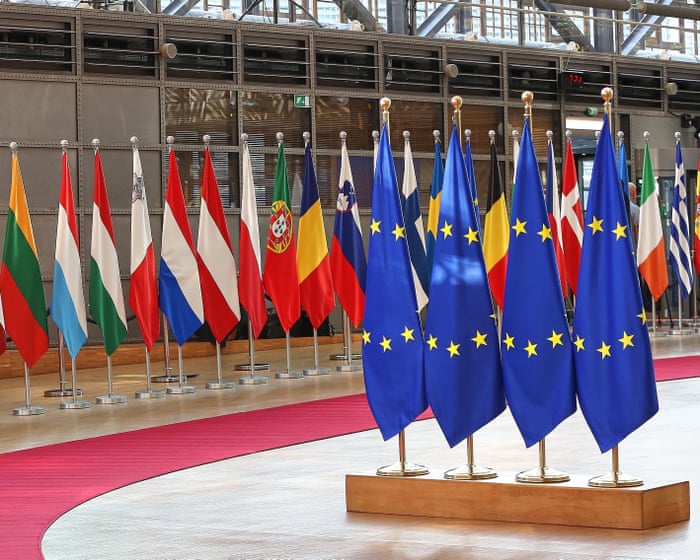
After a long night in Brussels, European Union leaders approved a joint statement supporting Ukraine on Friday, 19 June. This is the first such document signed by all 27 member states since March 2025. The statement closely mirrors the G7’s call earlier this week, urging Russia to agree to a full, unconditional ceasefire and engage in meaningful peace negotiations.
The EU reaffirmed its determination to increase pressure on Russia and weaken its war economy. "Having failed to achieve its military objectives, Russia continues attacks on Ukrainian cities and energy infrastructure," the statement reads. Notably, there is no mention of direct talks with Russia, despite some leaders’ interest. The statement was possible after Hungary’s new Prime Minister Péter Magyar replaced Viktor Orbán, who had previously blocked such agreements.
The second day of the summit focuses on the EU’s next multiannual budget for 2028-2034. German Chancellor Friedrich Merz arrived with a firm stance against increased borrowing. "The EU must not move into further indebtedness," he told reporters. These talks are expected to take months.
Irish Taoiseach Micheál Martin, one of the few leaders to speak to press, said it is "imperative" to make progress on the budget but noted agriculture as a major sticking point. He also congratulated Andy Burnham on his UK by-election victory, adding that it shows what is achievable despite political fragmentation. He looked forward to the July UK-EU summit, where progress on SPS, ETS, and youth exchange programmes could be made.
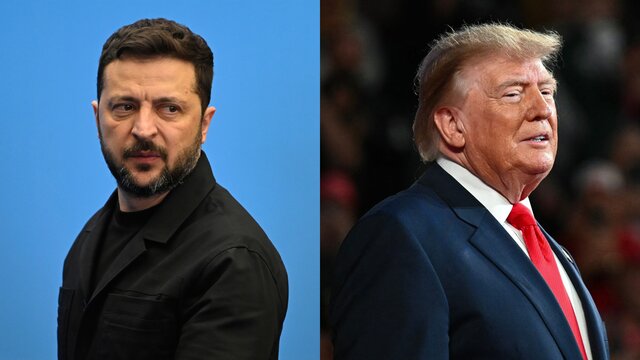
On Ukraine, Martin praised President Zelenskyy’s presentation the previous night as one of his most significant. He said there are no signs of Russian willingness for peace but backed establishing diplomatic channels, drawing on Ireland’s conflict resolution experience.
Latvian Prime Minister Andris Kulbergs also attended the summit. Leaders are expected to deliver further conclusions later today.