EU leaders agree to renew Russia sanctions for a full year for the first time; Bulgaria’s pro-Russian leader vows to veto next batch
EU leaders have agreed to renew sanctions against Russia for a full year for the first time. Bulgarian President Rumen Radev vows to veto the next sanctions package, demanding the removal of the Russian oil company operating Bulgaria’s only refinery and objecting to sanctions on a Russian Orthodox bishop.
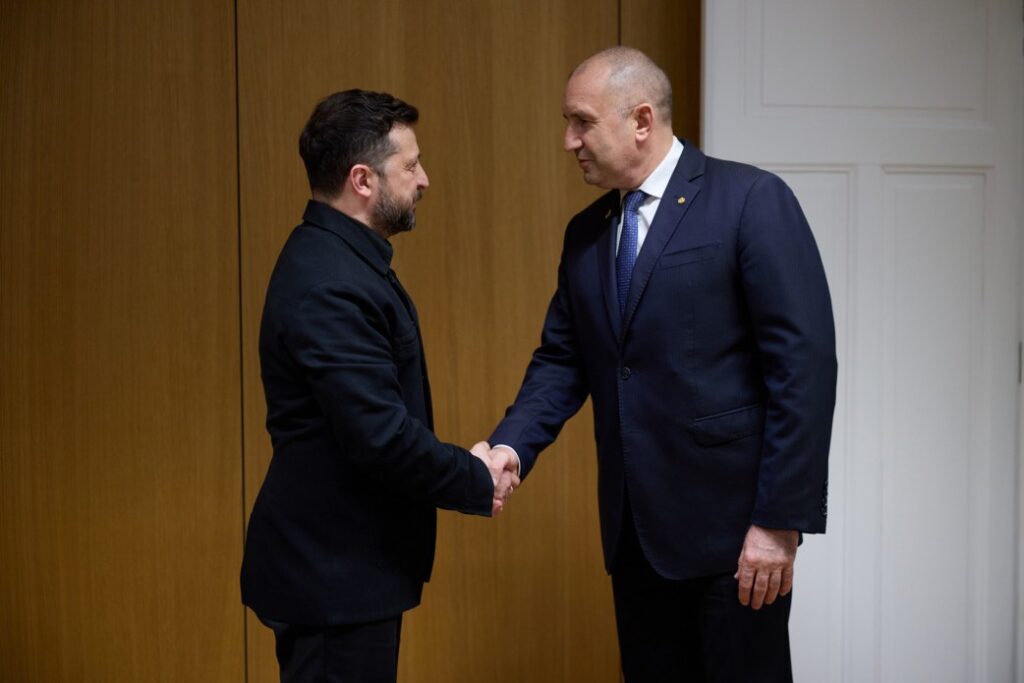
European Union leaders have reached an agreement to extend sanctions against Russia for a full year — a step taken for the first time since the sanctions were imposed. The decision is aimed at maintaining long-term pressure on Russia over its aggression in Ukraine.
However, the agreement faces opposition from Bulgaria. President Rumen Radev, considered pro-Russian, has announced he will veto the next sanctions review. He demands that the Russian oil company running Bulgaria’s only refinery be removed from the sanctions list. Additionally, Radev objects to sanctions targeting a bishop of the Russian Orthodox Church.
These objections highlight internal divisions within the EU as it tries to maintain unity against Russia. Previously, sanctions were extended every six months, but this time a one-year term was chosen to reduce bureaucratic burden and send a clear signal of the EU’s commitment.
Bulgaria’s stance could pose challenges for future sanctions adoption, as EU decisions in this area require unanimity among all member states. Radev has previously expressed sympathy for Russia and criticized the sanctions policy. Experts note that such actions could weaken the EU’s common position and allow Russia to exploit rifts between member states.
The agreement for a full-year extension was reached after lengthy discussions and will take effect soon. Nevertheless, the next sanctions package faces the threat of a Bulgarian veto, indicating growing tension within the EU over further action against Russia.